


 Apple Supplier Luxshare Sees Limited Impact From US Patent Probe
  Samsung, SK Hynix Shares Fall as China's CXMT Advances DRAM Technology
  Ethereum Foundation-Linked Wallets Move $11.13M in ETH to Kraken
  Bumble Shares Surge 50% on $1 Billion Buyout Talks
  Apple Supplier Luxshare Faces US Patent Probe, Sees Limited Impact
  Nasdaq Faces Pullback to 26,225 Despite Bullish Outlook, UBS Says
  Most Americans Oppose Election Betting on Prediction Markets, Poll Finds
  Russia Approves Sberbank for Crypto Exchange Services
  US Suspends Microsoft, Adobe From Green Card Program
  Jameson Lopp Downplays AI Threat to Bitcoin Cryptography
  Tencent Shares Fall as $5 Billion AI Bond Sale Weighed
  Nvidia’s China AI Chip Market Share Falls to 34% as Huawei Gains Ground
  Moonshot AI Executives Seek Settlement Ahead of Hong Kong IPO
  Canton Network Expands in South Korea With Major Partnerships
  Visa Wins China Approval to Prepare Domestic Payments Expansion
  Hong Kong’s Second Solana ETF Launches With Lower Fees


 Add as a preferred source on Google
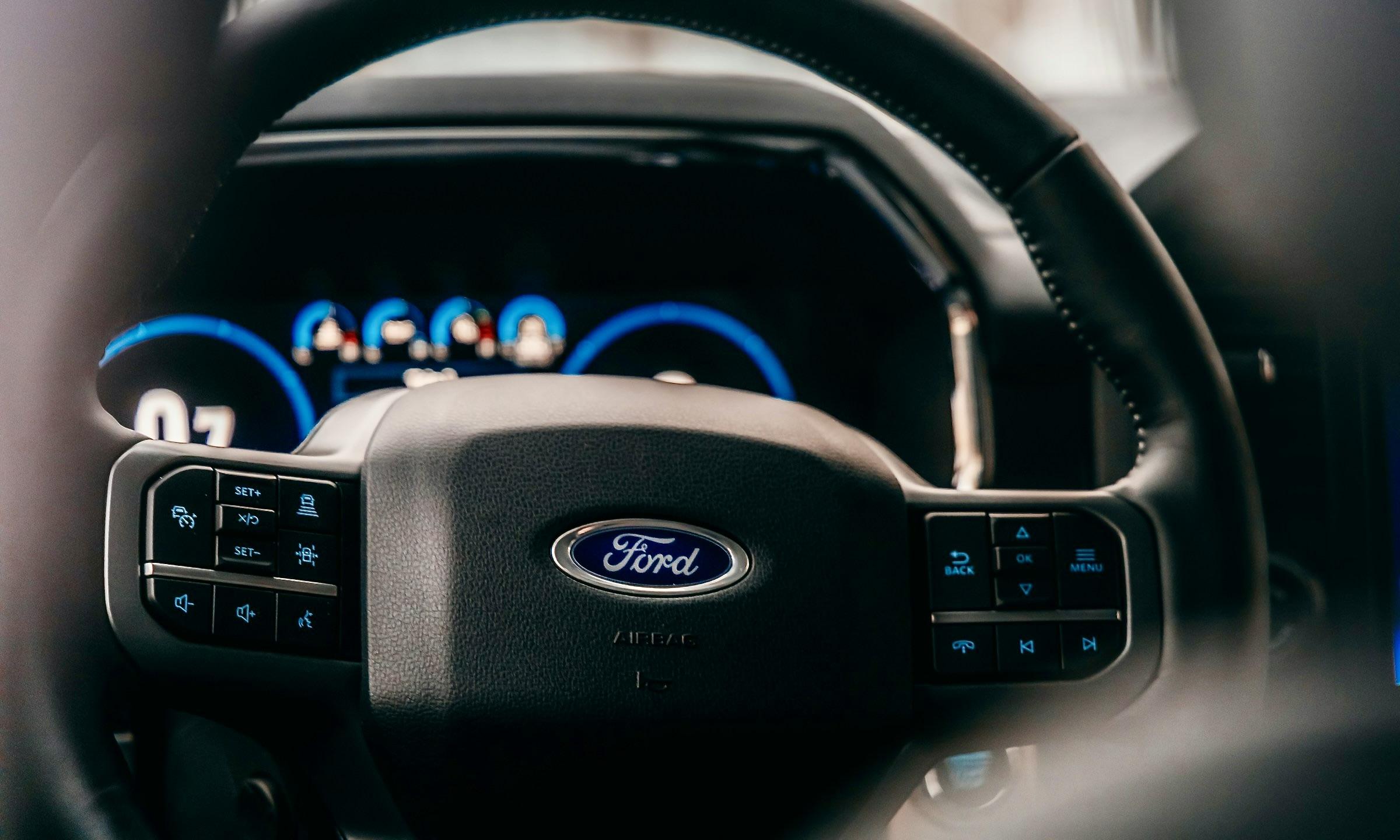
Ford's innovative low-cost electric vehicle platform sets its sights on challenging Tesla and Rivian, with predictions of a strategic shift towards Chinese manufacturing practices.
Skunkworks Team's New Platform
The future, according to Ford, lies in compact electric vehicles. We are learning more about Ford's new inexpensive platform, and its "Skunkworks" crew isn't so tiny, now that the secret is out. Jim Farley, CEO of Ford, drew parallels between Rivian and Tesla in describing the company's new affordability electric vehicle platform. On the other hand, Farley hinted that Ford's could be more cost-effective and superior.
Electrek reports that during a media call with investors in February, Farley disclosed that the Skunkworks team was working on a cheap electric vehicle platform for its next-generation EVs.
Tesla Model Y Leader
Farley assured us that this small group included "some of the best EV engineers in the world." Alan Clarke, who has worked on Tesla's Model Y, is leading the group.
Fifty former Rivian personnel, twenty from Tesla, twenty more from Lucid, and a handful from Apple have all joined Ford in the last several months. Other industry heavyweights that have recruited Ford employees include Archer Aviation, Joby, and Supernal, a division of Hyundai.
A considerably smaller battery and new chemistry are part of the team's "engineering a completely different approach, a different product at a different cost," as Farley put it earlier this year.
According to Ford, the platform will be able to accommodate a wide variety of automobiles. During this week's Ford Q2 results call, Farley provided further details about what we may anticipate.
Despite the fact that the "EV journey has been humbling," Farley expressed his gratitude for the company's 2.5-year start, saying that it will utilize the lessons learned to enhance its next-generation electric vehicles.
Controlling Software Across Vehicle Domains
“The only OEMs outside of China controlling software across all the vehicle domain" are Ford, Rivian, and Tesla, according to Farley's statement on Wednesday.
"The second success factor is matching the cost of the Chinese OEMs and Tesla, especially on affordable EVs," Farley added. The "super efficient platform leveraging innovation across our product development, supply chain and manufacturing teams" is being designed by Ford, according to Farley.
Two markets will be Ford's primary emphasis: work and adventure. Less battery material is needed by smaller, cheaper automobiles, which improves profit margins and reduces expenses.
Lower Cost of Ownership
“Supercharging the lower cost of ownership that EVs have already worked out,” Farley stated.
The platform will be used "across many top hats" by Ford, as Farley put it. Scalability and expansion of its software business will be achieved through this.
The transformation of Ford vehicles into "general-purpose computers" has allowed the company to provide customers with "powerful, connected, ever-improving customized experiences."
Farley continued: "The true fitness test for EV profitability will be these small vehicles." A lot of our rivals, he predicts, would "turn to their Chinese either independent companies or partners to basically use their platform globally."







