Capital Group portfolio manager Carl Kawaja said Elon Musk proposed a long-term commitment to buy memory from Samsung and offered to help finance new semiconductor facilities, as AI demand strengthens suppliers’ position.
The two men discussed Tesla’s effort to secure chips during a June 2026 conference, Kawaja said. Samsung Chairman Jay Y. Lee responded that comparable approaches were already coming from other companies, according to Kawaja. Lee asked what more Musk could bring, he said.
After that response, Musk offered to help fund additional semiconductor facilities, but Samsung rejected the idea too, Kawaja said.
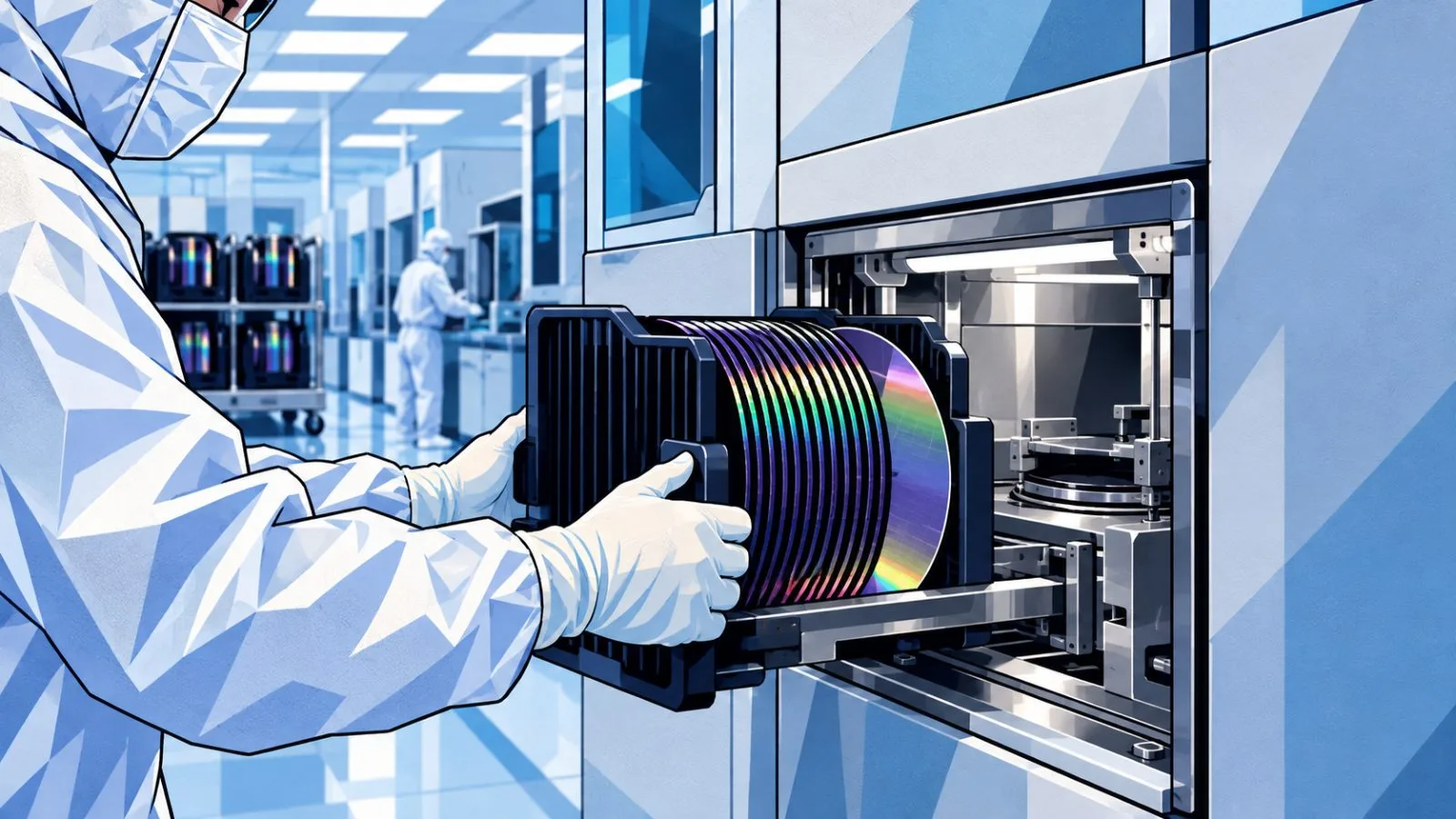
Data centers and AI applications are driving demand for high-bandwidth memory (HBM) and other chips, giving major memory makers more leverage. Samsung Electronics, SK Hynix and Micron are the world’s three largest memory manufacturers. Their supply contracts often run for several years and include substantial upfront payments.
The proposals are separate from Tesla’s $16.5 billion Samsung agreement, established in July 2025 and extending through 2033. Under that deal, Samsung is to manufacture Tesla-designed AI6 chips in Texas. The agreement covers Tesla-designed AI6 chips, not memory chips purchased from Samsung’s production lines.
Separately, Hewlett Packard Enterprise CEO Antonio Neri said on an earnings call that some memory-component lead times had exceeded 40 weeks, and shortages could continue through at least the second half of 2028. The remarks were covered in EconoTimes’ earlier report on HPE’s memory shortages.