


 Philippines Current Account Deficit Seen at $19.1 Billion in 2026
  OpenAI Uses AI to Uncover Hidden Recording Device, FBI Makes Arrest
  Moonshot AI Executives Seek Settlement Ahead of Hong Kong IPO
  Gold Prices Rebound as Dollar Weakens Ahead of US Inflation Data
  RBA Signals More Rate Hikes as Inflation Risks Rise
  Wall Street Ends Mixed as Investors Await CPI and Bank Earnings
  Tesla Holds $960 Million in Bitcoin as BTC Gains Top $710 Million
  Arm Breaches Qualcomm License Deal, Jury Awards $2
  Bank of America Hit With $1.2 Billion Fine Over Money Laundering Failures
  Visa Wins China Approval to Prepare Domestic Payments Expansion
  South Korea Blocks 27 Crypto Exchange Websites in Regulatory Crackdown
  Trezor Cuts Reseller Network After Ledger Security Breach
  Most Americans Oppose Election Betting on Prediction Markets, Poll Finds
  Oil Prices Fall as Russia Signals Higher Diesel Exports
  Wall Street Closes Lower as Bank Earnings and AI Concerns Weigh
  New York Times, AFP Join Coalition to Protect Content From AI


 Add as a preferred source on Google
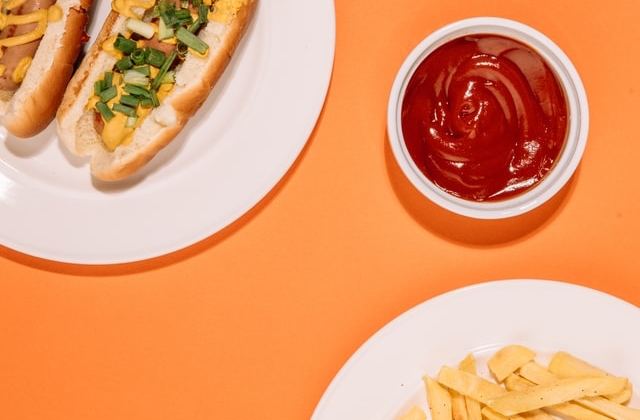
Ketchup is reportedly running out in the U.S., and restaurant owners are finding it hard to look for the precious condiment. The ketchup shortage is said to have started last summer, but the situation worsened this year.
How the ketchup shortage happen
CNN Business reported that it happened due to the COVID-19 pandemic as it was the time when the Centers for Disease Control and Prevention began prohibiting and discouraging people from dining in restaurants.
The public has been advised to opt for delivery or take-outs since these are safer methods to have their favorite meals while also avoiding contracting the coronavirus. This is the simplest explanation for the ketchup shortage, and it makes sense given the number of food deliveries each day.
To prove that the supply for ketchup is very low, CNN mentioned that Blake Street Tavern restaurant owner, Chris Fuselier, is looking for packets of ketchup every time he opens his business. This means that he always has to search for the said condiment every day since it is a necessity in his restaurant.
Fuselier said that the supply of ketchup did not get better even after months. Rather, the problem got deeper that he started hoarding the condiment from other dining places.
"It's gotten so bad that when I go to McDonald's or Wendy's, I'll hoard those extra packets to bring back to Blake Street," he confessed.
The attempt to address the increasing demand for ketchup
With customers shifting to takeout orders or delivery in this time of the pandemic, the requirement for ketchup has gone up. As a result, they are running low on ketchup, and it is affecting restaurants and fast food outlets.
The high demand and low supply caused the price of ketchup packets to go up by as much as 13% since January 2020. But there is good news - Heinz, the country’s largest producer of the tomato-based condiment, vowed to ease the shortage by increasing its production by 25% and be able to make at least 12 billion packets a year, USA Today reported.
"We made strategic manufacturing investments at the start of the pandemic to keep up with the surge in demand for ketchup packets driven by the accelerated delivery and take-out trends; at the same time, we also fast-tracked future-focused culinary and packaging innovations, as well as further manufacturing expansion plans," Kraft Heinz's home business unit president, Steve Cornell, said.







