


 Amazon Cuts More Jobs as AI Investment Expands
  Epic Games Delays Disney Shooter, Shifts to AI-First Development
  UK Finance Minister Healey Calls for Fiscal Discipline Amid Global Risks
  Yandex Data Center Hit by Drone Strike as Russia-Ukraine Cyber Infrastructure Attacks Escalate
  Google promotes ‘teacher approved’ apps for kids. Here’s what parents should know
  Gold Prices Hit One-Week High as Oil Falls, Fed Rate Outlook Weighed
  The ghost of Robodebt – Federal Court rules billions of dollars in welfare debts must be recalculated
  Airbus Tests Valkyrie Combat Drone in Europe for Eurofighter Integration
  Want to cut your energy bills? Here’s how five experts are doing it
  Canton Network Expands in South Korea With Major Partnerships
  Binance to Shut Down Crypto Mining Pool Services on November 10
  Elon Musk Accuses Indian Telecom Giants of Blocking Starlink Launch
  Moonshot AI Executives Seek Settlement Ahead of Hong Kong IPO
  The Beauty Beneath the Expressway: A Journey from Self to Service
  TSMC Profit Set to Surge 65% as AI Chip Demand Drives Record Earnings
  Most Americans Oppose Election Betting on Prediction Markets, Poll Finds


 Add as a preferred source on Google
Korean restaurants are transforming the food business by adopting digital kiosks in their establishments. As more and more stores install automated ordering booths, the use of these machines is apparently not confined to city centers any longer, and it is now in the phase of becoming mainstream in the country.
The digital kiosks have already reached smaller districts in South Korea, and many are doing their business more efficiently with the help of these machines. These automated kiosks are also in smaller food establishments, allowing customers to order and receive their food without facing any restaurant staff. They just need to go to the counter when their food is ready for pickup, as per Korea Joongang Daily.
It was reported that food business operators in the country, both big and small, are installing digital kiosks not just because they make the ordering process fast and easy. These terminals' availability also helps owners save on costs because they can reduce the number of restaurant staff.
"In hindsight, it is surprising how we managed with two hall staff all these years," a local restaurant owner commented about the shift to digital kiosks. "Introducing kiosks has been one of the best decisions I've made during my nearly two decades in the restaurant business."
Suh Yong Gu, a professor of Business Administration at Sookmyung Women's University, also said, "The rise in kiosk adoption is attributed to various factors, including rising rent costs, minimum wage hikes during the Moon Jae In administration, economic downturns due to Covid-19, and the growth of platform-based workers but technically, it led to the increase in solo restaurants."
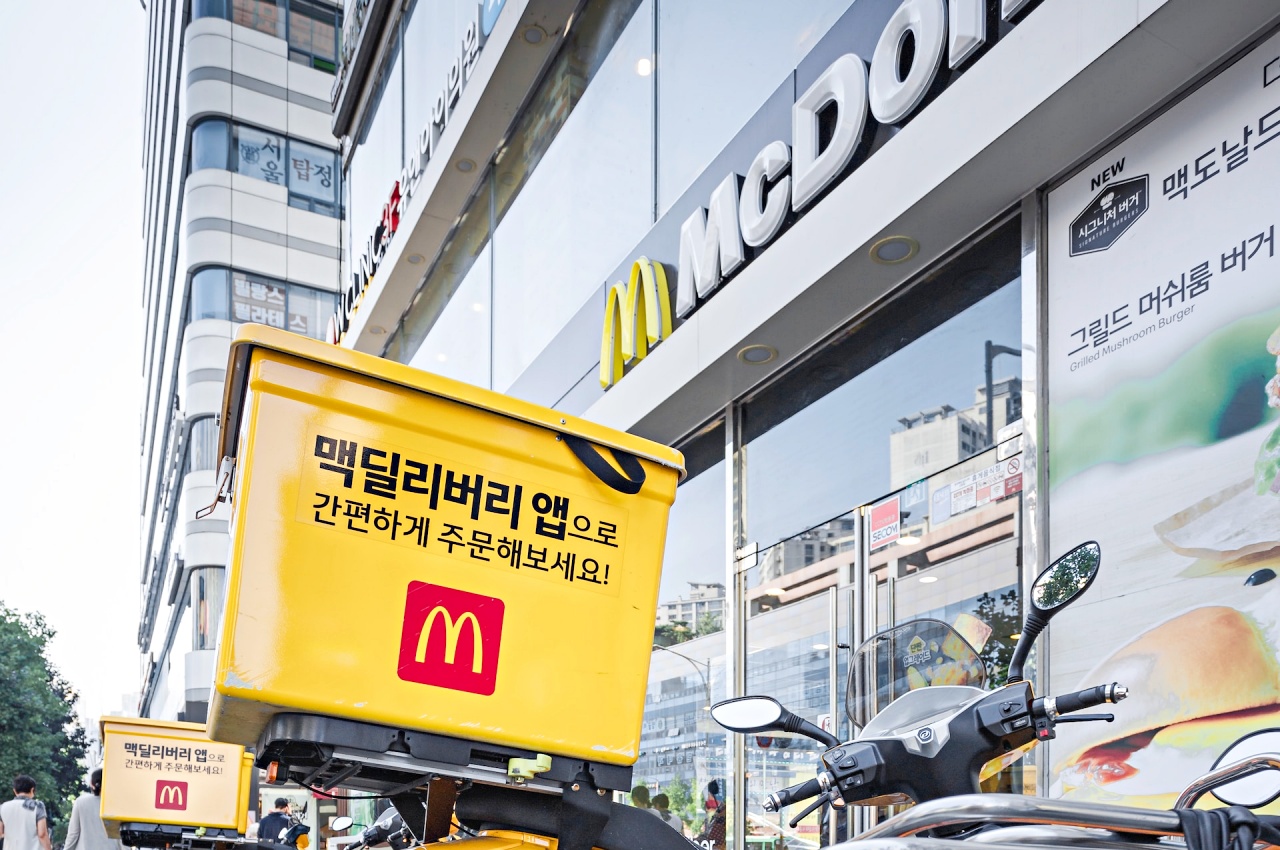
Meanwhile, with the surge of kiosk use in the region, McDonald’s Korea added a special feature to its own digital kiosks. To provide assistance to blind or visually impaired customers, it has added the voice guidance function to its kiosks.
Aju Business Daily reported that these special machines are already available in 15 McDonald's stores in Korea. This type of digital kiosks can connect to earphones, and diners may choose their food even in a noisy environment.
"We have deeply empathized with the need to install voice guidance services at kiosks for visually impaired customers," a McDonald’s Korea executive said.
Photo by: Jonathan Marchal/Unsplash







