


 Apple Names Steve Smith M&A Chief in Leadership Shakeup
  Rising Rates Top Global Growth Risks as Wealthy Investors Favor Asia
  Amazon Cuts More Jobs as AI Investment Expands
  EU Gives Crypto Platforms Three Months to Remove USDT Under MiCA Rules
  Zcash Plans Quantum-Resistant Security Upgrade for January
  France to Release 10 Million Barrels of Diesel to Ease Fuel Prices
  Gold Prices Rise as Dollar Weakens, Treasury Yields Fall
  OpenAI Annualized Revenue Hits $50 Billion, Below Earlier Estimates
  Stellar Overtakes Ethereum in RWA Fund Inflows as XRP Leads Commodities
  Solidigm Taps Goldman, Morgan Stanley for $10 Billion US IPO
  SpaceX Seeks $40 Billion for Nvidia AI Chips
  Gold Prices Hit One-Week High as Oil Falls, Fed Rate Outlook Weighed
  Anthropic Launches Claude Dashboards and Motion AI Tools
  Wall Street Falls as Oil Prices Rise and Tech Stocks Slide
  Gold Prices Fall as Fed Signals Another Rate Hike
  Asian Currencies Mixed as Yen Weakens, Dollar Holds Firm
  Mike Rogers Calls for End to US-Canada Tariff War


 Add as a preferred source on Google
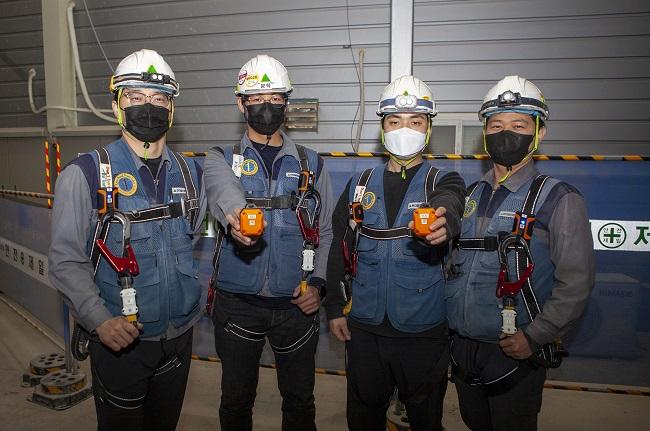
LG Uplus Corp. and Hyundai Elevator Co. distributed safety devices that use Internet of Things (IoT) technology to elevator installation workers.
The new technology analyses whether employees correctly tie the chin straps on their safety hats or wear safety rings when constructing elevators in high areas, and it avoids falls by alerting employees if any of their equipment has been improperly fastened.
Jeon Seung-hoon, head of smart infrastructure at LG Uplus, said they will expand the application of the smart safety management system starting from elevator installation sites to other sites with a risk of fall accidents, aimed at contributing to preventing serious disaster accidents.
The two companies jointly developed smart safety management systems, such as IoT sensor safety hats, rings, belts, and exclusive applications for elevator installers and control platforms.







