Labour lawmaker Chris Ward is urging the party to retire its Brexit red lines by the next general election, arguing that security risks have changed the case for Britain’s relationship with the European Union.
The proposal does not change current government policy. An Oct. 23 parliamentary response confirmed that the current limits on joining the EU single market and customs union would remain through this Parliament. Cabinet Office Minister Hamish Falconer said Prime Minister Andy Burnham would set out options for the UK’s long-term relationship with European partners around the next summit.
Labour’s 2024 manifesto pledged to keep the UK outside the EU and ruled out returning to the single market, customs union or freedom of movement. It also promised deeper trade ties and an EU security pact.
In a Guardian opinion article published Nov. 9, Ward said he helped craft the red lines that shaped the manifesto. He argues that security and cyber threats, along with what he sees as less certain U.S. support, have made closer ties with Europe a strategic issue. He said the limits were drawn up after Labour’s 2020 leadership contest to narrow debate over Brexit, and called for their “well-earned and dignified retirement.” Ward has cited lower business prices, youth mobility and Erasmus+ as possible benefits of closer ties.
The National argued in an Oct. 27 opinion column that Labour’s polling lead could give Burnham room to seek support for closer EU ties, a debate EconoTimes previously covered in its report on Labour’s polling advantage.
A UK-EU joint statement, updated Dec. 22, 2025, said negotiations for the UK’s association with Erasmus+ in 2027 had concluded. It set the next summit as a target for completing talks on a Youth Experience Scheme, a shared sanitary and phytosanitary area, and linking emissions trading systems; it did not confirm those agreements were complete.
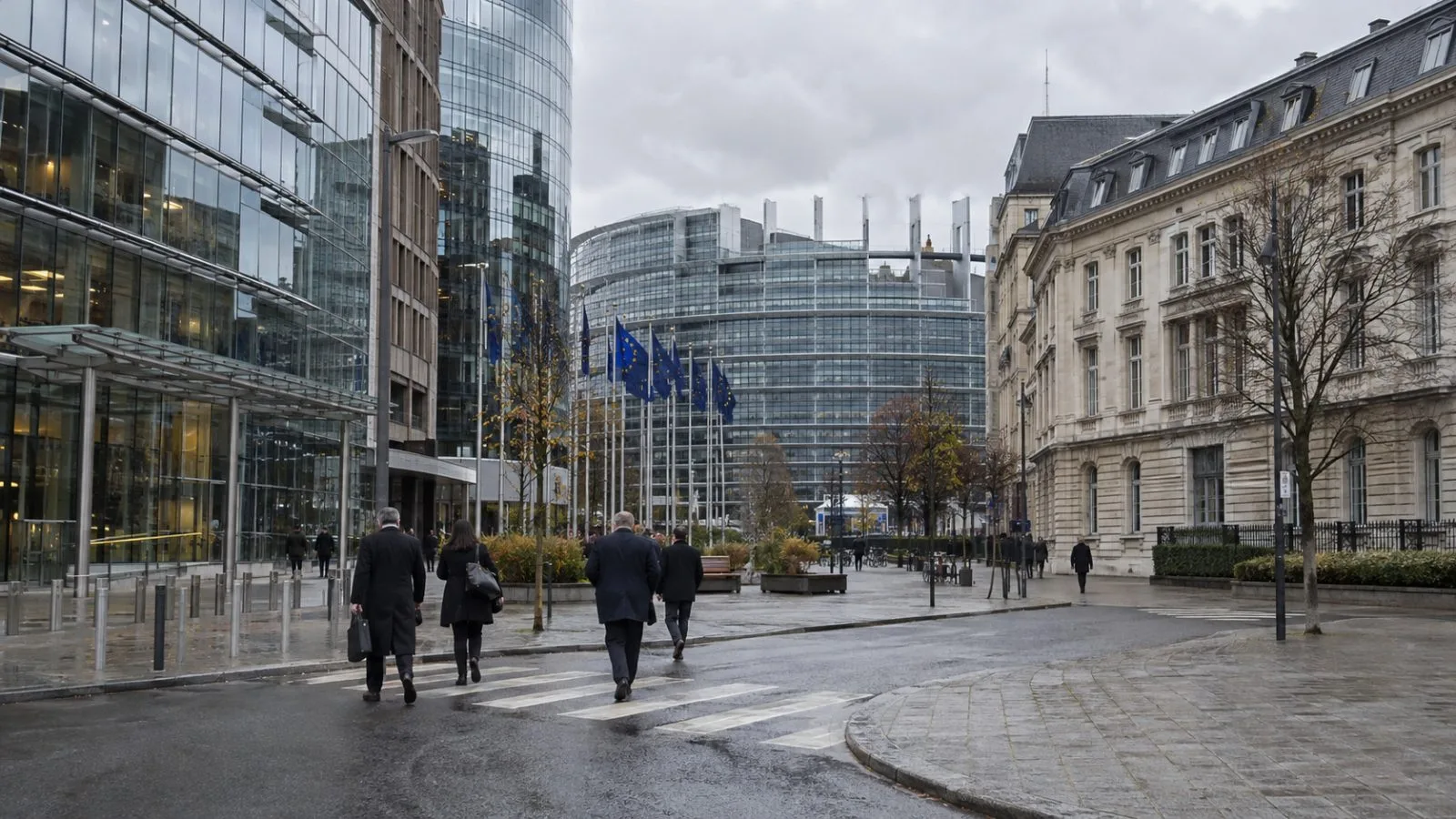
The second UK-EU summit is scheduled for Nov. 20 in Brussels, where Burnham is due to meet European Council President António Costa and European Commission President Ursula von der Leyen. The government says it will seek agreements to reduce costs and paperwork for farmers and businesses.