


 GLP-1 Weight-Loss Drug Use Surges Among U.S. Children
  Indian Stocks Fall as RBI Hikes Rates to 5.50%
  Asian Currencies Steady as Dollar Holds Near 18-Month High
  FDA Investigates New Cyclospora Outbreak as U.S. Cases Continue to Rise
  Australia Consumer Confidence Plunges as RBA Rate Hike Hits Households
  Nasdaq Hits Record High as Tech Stocks Lift Wall Street
  Hengrui Shares Rise on $2.6 Billion Novo Nordisk Obesity Drug Deal
  Robinhood Buys $25 Million in Bitcoin for Corporate Treasury
  Trump Plans Diesel Tax Relief as Fuel Prices Hit Record Highs
  SpaceX Seeks $40 Billion for Nvidia AI Chips
  New Mexico Measles Outbreak Cost Reached $5.4 Million, Study Finds
  DogecoinVM Makes DOGE Transactions 300x Faster
  Moderna Short Sellers Hit With $4.8 Billion Loss as Stock Soars
  Gold Prices Rise as Dollar Weakens, Treasury Yields Ease
  HSBC Plans Deep UK Wealth Job Cuts in AI Push
  Rapidus Seeks Chip Customers as Japan Pushes 2nm Semiconductor Revival


 Add as a preferred source on Google
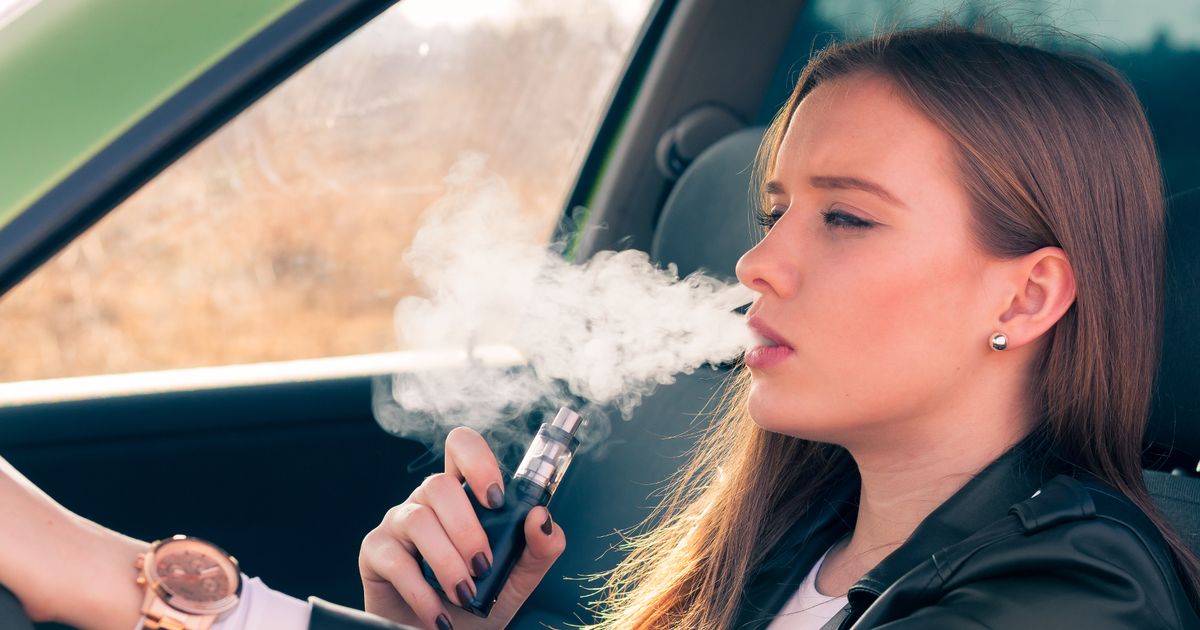
Liquid-based e-cigarettes emit 12 times more ultrafine dust than regular cigarettes, according to a recent study by the Korea Disease Control and Prevention Agency.
By photographing smoke and aerosols emitted from cigarettes to analyze their chemical composition, the results showed that liquid-based e-cigarettes emitted 172,845 micrograms (㎍) of ultrafine dust per 0.2 grams of liquid, 12 times more than what was emitted by non-electronic cigarettes.
Meanwhile, heated e-cigarettes emitted 3,100 ㎍ of ultrafine dust per cigarette, lower than emissions from non-electronic cigarettes.
Over a three-minute period, the ultrafine dust emitted by liquid-based e-cigarettes spread as far as 10 meters, heated e-cigarettes to between 6 and 7 meters and non-electronic cigarettes to 3 meters.
The study also revealed that black carbon, a chemical related to the automobile emissions stains, is released by all three types of cigarettes.
The highest black carbon levels were from non-electronic cigarettes, which were also present in liquid-based e-cigarettes (98.8 ㎍ per piece) and heated e-cigarettes (11.41 ㎍ per piece).
h invites itself on the King Platinum.







