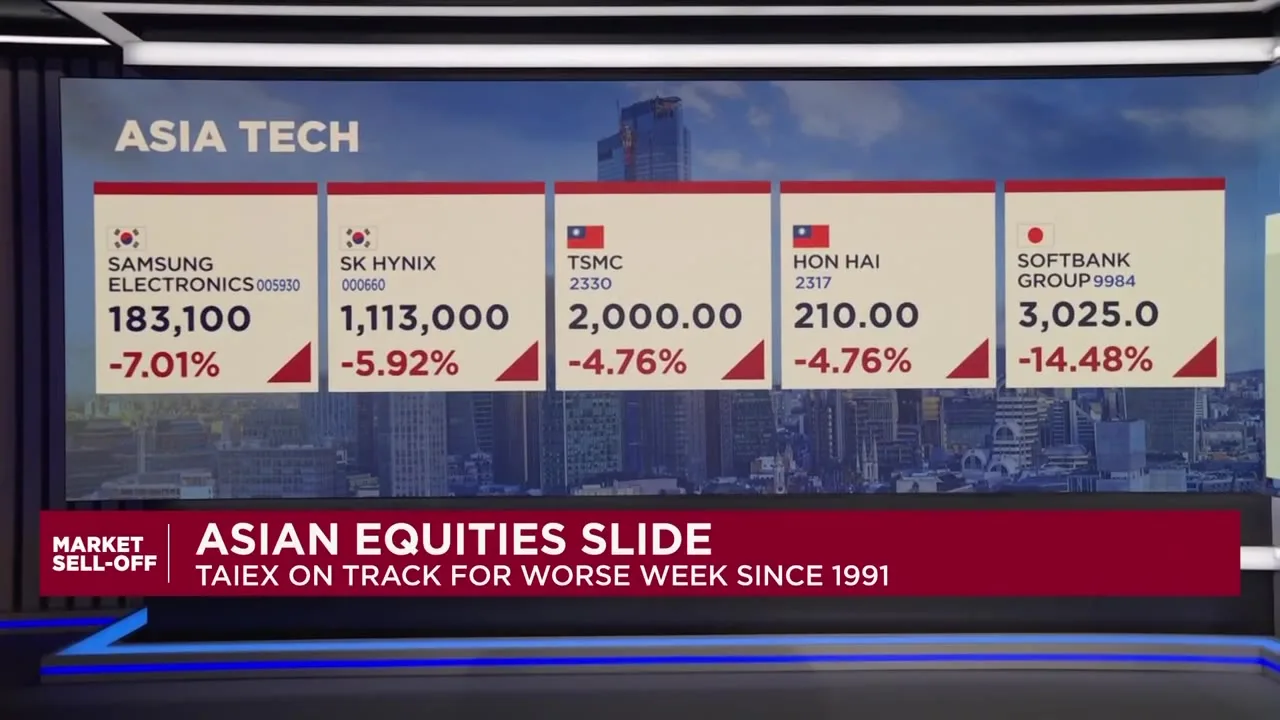
A deeper sell-off in artificial-intelligence assets could strengthen the Japanese yen against the U.S. dollar by lowering inflation expectations and pulling U.S. and global yields lower, MUFG strategist Derek Halpenny said.
“In a risk-off scenario you would always expect the dollar to benefit versus the higher beta G10 currencies but it would start to suffer versus the core G10 currencies,” Halpenny wrote in MUFG’s Nov. 20 FX Daily Snapshot. “We see the yen as best positioned.”
The yen, euro and Swiss franc were the three strongest-performing Group of 10 currencies month to date, MUFG said. The Norwegian krone, Australian dollar and Swedish krona were the weakest. The Bloomberg Commodities Index had fallen nearly 10% in November as the equity sell-off spread into commodities.
MUFG said an AI-related valuation shock could differ from earlier risk-off episodes associated with rising inflation and bond yields. “An AI risk-off in magnitude would be disinflationary and that would help improve the outlook for the yen,” Halpenny said.
The bank said weaker U.S. yields would likely pull global yields lower, while Japan’s positive interest rates could improve the yen’s relative position. Markets were pricing close to three Federal Reserve rate hikes, MUFG said, an expectation that could become inconsistent with worsening financial conditions if the sell-off deepens.
MUFG’s November foreign-exchange outlook listed USD/JPY at 157.49 at the Oct. 30 spot close. It forecast 155.00 for the fourth quarter of 2026, 153.00 for the first quarter of 2027, 151.00 for the second quarter and 149.00 for the third quarter.
The bank projected the Bank of Japan’s policy rate rising from 1.25% after its October meeting to 1.50% in the fourth quarter of 2026, 1.75% in the first quarter of 2027 and 2.00% in the second and third quarters.
Halpenny cautioned that the current decline has not yet been large enough to produce a major yen advance.
The yen’s relationship with AI-related risk has also featured in earlier EconoTimes coverage of AI spending concerns.