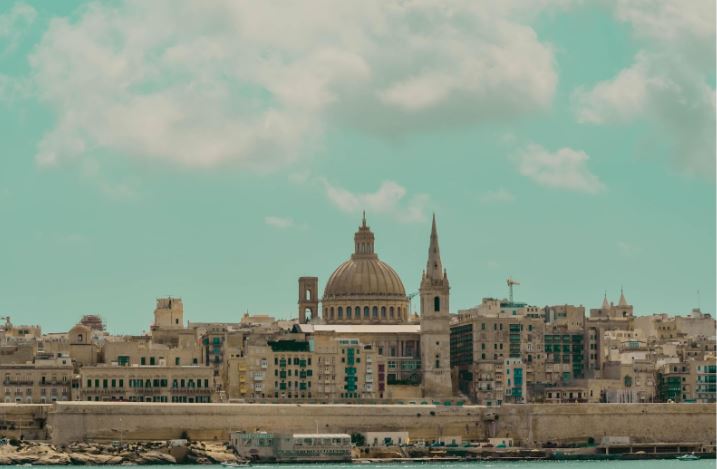
Plans to open Starbucks and EL&N cafés inside Pallazo Santa Sofia have been suspended following more than 160 objections by local residents and heritage NGO Fondazzjoni Wirt Artna.
But while local consultation is a vital part of any planning process, Mdina should not lose sight of the clear benefits that smart heritage projects can bring to local communities.
Decisions like this cut straight to the heart of Malta’s long-standing policy dilemma – how to balance the protection of its historic heritage without preventing valuable development and construction projects that can enhance touristic appeal.
“I don’t exclude the idea of having a private operator using a historic building to make a profit”, Minister Bonnici said when asked about db Group’s plans for a Starbucks café in a Mdina palazzo, highlighting the importance of the way in which the changes are carried out. His point was simple but significant. The adaptive reuse of historic buildings can enhance both the building and the public’s relationship with it.
That position reflects a reality seen across Europe and beyond. From centuries-old palazzi to medieval fortifications, historic structures are being given new life through sensitive commercial uses and redevelopments. When conceived with care, these projects can offer tangible benefits, not just to private operators but to cities, communities, and heritage itself.
Pragmatic planning and construction for heritage conservation
A key argument in favour of cafés in historic buildings is the practical sustainability of heritage: ensuring that historic spaces remain maintained, viable and in active use. Restoring and maintaining old structures is expensive. When buildings are left without a viable use, deterioration is almost inevitable.
It is within this context that db Group has put forward its proposal. The Maltese hospitality and property developer, a family-run company with deep roots in the island, has decades of experience in large-scale development projects across Malta.
The planned conversion of part of Palazzo Santa Sofia into two café spaces, including Starbucks and EL&N, is one of their latest construction endeavours. db Group has said the design will be site-specific, developed to respect the palazzo’s historic character, with discreet signage and interventions to comply with Mdina’s strict planning rules.
Both brands proposed for the site have prior experience within historic buildings, an approach db Group argues is essential when adapting structures of significant architectural and cultural value.
Commercial activity can help fund restoration works, ongoing maintenance and professional conservation. In the Mdina palazzo case, db Group’s plans include restoring the façade of a historic building believed to date back to the 13th century – work that might otherwise have struggled to find funding.
Transforming Malta into a modern tourism destination
Culture Minister Bonnici’s remark that he has “had coffees in old castellos” abroad points to another benefit – experience. Tourists increasingly seek immersive encounters, not just sightseeing checklists.
Sitting in a restored historic space, surrounded by the original 13th-century architectural features, is a unique experience for the millions of tourists who travel to Malta every year.
For Malta, whose tourism brand is built on history, this matters. A well-designed café in a historic building can act as a soft cultural gateway, encouraging visitors to linger longer, explore more and engage meaningfully with their surroundings.
Importantly, this need not dilute a site’s identity. With the right design standards, discreet signage and interpretive elements, commercial spaces can reinforce a building’s story rather than overshadow it.
Lessons from abroad: global hospitality in historic spaces
International examples show exactly how this balance can be struck.
In Venice, Caffè Florian, founded in 1720 in Piazza San Marco, operates within a historic setting without compromising its architectural or cultural value. Strict conservation rules govern everything from interiors to branding, allowing the café to function as an enterprise and living museum.
In Kyoto, Starbucks’ Ninenzaka Yasaka Chaya is housed in a 100-year-old traditional machiya townhouse. Rather than imposing its global branding, the café retained tatami rooms, wooden beams and sliding doors.
And in Milan, the Starbucks Reserve Roastery occupies an early 20th century palazzo near Piazza Cordusio, in the heart of the city’s historic centre. The conversion retained the building’s architectural integrity, with the brand adapting its interiors to reflect Milanese craftmanship.
Minister Bonnici signals support to Mdina palazzo project
While careful not to comment on the Mdina proposal itself, Culture Minister Bonnici’s remarks nonetheless aligned closely with the db Group’s approach.
By stressing that he does not oppose private operators making use of historic buildings, the minister acknowledged the role that experienced commercial entities can play in the stewardship of heritage sites.
If approved, the Mdina project offers an opportunity to demonstrate how private investment can help restore and maintain Malta’s cultural heritage, enhance the visitor experience, and contribute to the continued vitality of its cultural centres, providing a model of historical conservation to be followed across Malta.