As the world progresses to a more technologically advanced state, it has had a staggering effect on the attention span and memory of humans. With the prospect of challenges related to retaining good memory as people age looming over society, new ways of preserving those precious synapses are needed. Some scientists are thinking that perhaps brains implants are the key.
One of the leading researchers looking into this option is biomedical engineer Theodore Berger from the University of Southern California. According to his university profile, Berger basically uses theoretical models in biology in order to address development in the neural systems of mammals. In this case, he posits that combining biology and technology could result in a system that preserves memory.
This is a concept that has been rolling around the minds of scientists for quite a while, especially with the help of popular sci-fi mediums that have been fueling the imagination of regular people and researchers alike. The idea of simply having a machine in the brain to boost the memory of humans isn’t really foreign, but it has so far been difficult to achieve.
This might not be the case for long. By developing something that he calls an “artificial hippocampus,” Berger has placed humans one step closer to becoming machine-enhanced beings.
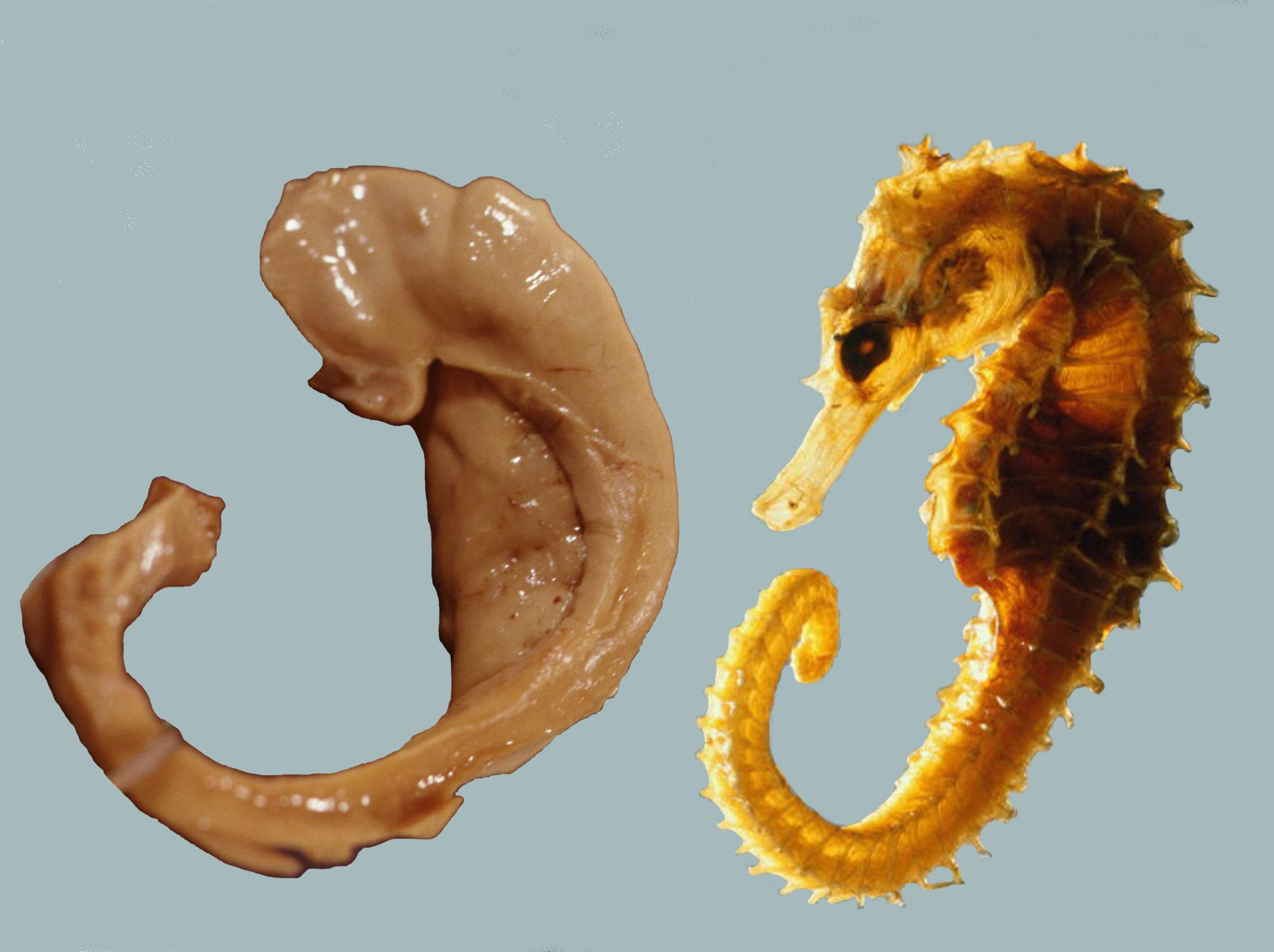
The hippocampus is a part of the brain that is largely responsible for making short-term memory into long-term memory. It’s basically what allows people to remember people or events from years or even decades ago.
During animal trials involving that same part of the brain, Berger noticed what he calls “space-time code” buried in the pattern of the hippocampus firing up, Futurism reports. Different signals represent different types of memories. This allowed Berger to create a mathematical formula with his team, which allowed them to implant memories into lab rats.
Naturally, making the leap from rat to humans isn’t going to be easy, but the implications are still staggering. For one thing, if Berger or some other group of scientists manage to succeed, humans could theoretically have perfect memory for life.