


 Iran Refuses to Halt Uranium Enrichment Amid US Nuclear Demands
  Oil Prices Rise as Hormuz Risks Offset IEA Stock Release
  Yes, government influences wages – but not just in the way you might think
  Booked to travel through the Middle East? Here’s why you shouldn’t cancel your flight
  US Suspends Microsoft, Adobe From Green Card Program
  Want to cut your energy bills? Here’s how five experts are doing it
  Asian Stocks Mixed as OpenAI Revenue Concerns Hit Chipmakers
  Xiaomi Shares Surge 7.6% as SkyNomad EV Orders Hit 70,000
  Zcash Plans Quantum-Resistant Security Upgrade for January
  Apple Names Steve Smith M&A Chief in Leadership Shakeup
  The American mass exodus to Canada amid Trump 2.0 has yet to materialize
  Apple Supplier Luxshare Sees Limited Impact From US Patent Probe
  The pandemic is still disrupting young people’s careers
  Fed Minutes Signal Another Rate Hike by Year-End
  Stuck in a creativity slump at work? Here are some surprising ways to get your spark back
  US-Led Coalition Targets Global Factory Overcapacity


 Add as a preferred source on Google
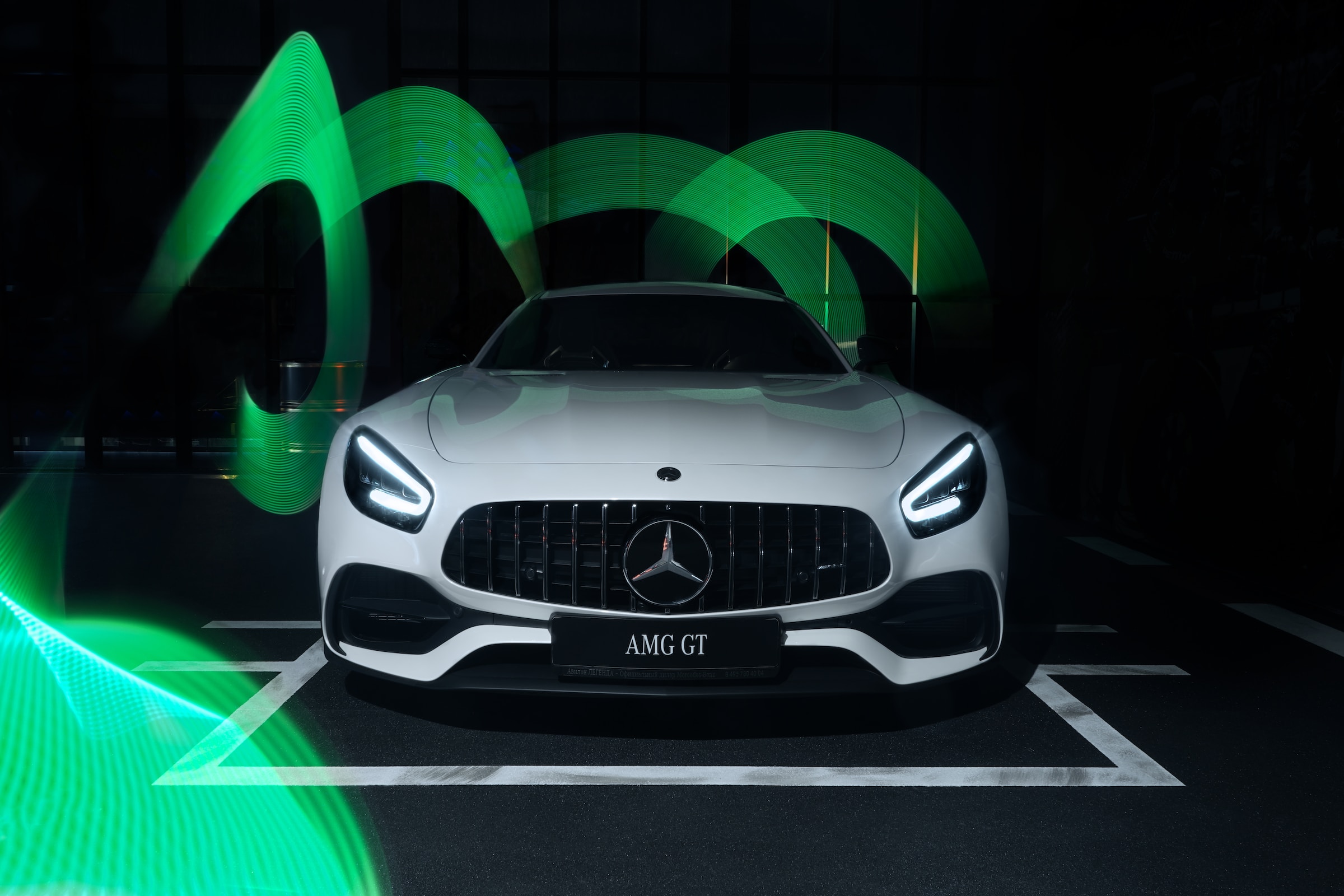
Mercedes-Benz is eyeing China as a key market for its upcoming 2025 electric vehicle (EV) campaign, as stated by CEO Ola Kaellenius. The focus will be on mastering electric propulsion and digitalization to meet the unique demands of Chinese consumers.
Under a new strategy outlined in 2021, all new vehicle platforms from 2025 onward will exclusively produce EVs. In light of this, Mercedes-Benz has been reviewing models based on the upcoming MB.EA platform to better cater to the needs of local customers. Specific focus areas include space and digital content.
While China remains the primary market for German automakers, local brands currently dominate with an 81% share of the Chinese EV market in 2022, as revealed by Counterpoint Research. Furthermore, Mercedes-Benz has a significant presence in China, with Beijing Automotive Group Co Ltd and Geely Chairman Li Shufu being the company's top two shareholders.
Meanwhile, as part of ongoing efforts to derisk the German economy after Russia invaded Ukraine, Berlin aims to reduce its reliance on China's economy. Despite this, Mercedes-Benz recently announced plans for further investment in China, bolstering Sino-German cooperation. The move is a foundation for joint support in developing new energy vehicles (NEV) and fostering existing partnerships. Acknowledging China's status as the largest car market and the most vibrant NEV market globally, Mercedes-Benz remains committed to contributing to the growth of China's auto industry and strengthening the Sino-German economic partnership.
Additionally, the company is set to expand its research and development activities in China, particularly in car software development. By the end of 2023, the local team is expected to double in size compared to three years ago.
Through these initiatives, Mercedes-Benz solidifies its position in China, capitalizing on its potential as a burgeoning market for EVs while actively supporting Sino-German collaboration and innovation in the automotive industry.
Photo: Ildar Garifullin/Unsplash







