JetBlue Airways and Spirit Airlines abandoned their $3.8-billion merger deal on Monday after a U.S. judge blocked the agreement in January due to anti-competition concerns. The low-cost carriers found no viable path forward, resulting in the termination of the proposed merger.
Impact on Industry Landscape
US News noted that the failed merger would have established the fifth-largest carrier in the United States, potentially securing Spirit Airlines' future amidst financial challenges. However, the merger faced opposition from judges and regulators, citing negative implications on market competition and consumer choice.
As per MSN, the decision marks a triumph for the Biden Administration, which is known for its strict stance against consolidation in the aviation sector. President Joe Biden emphasized that the merger could have led to increased ticket prices and reduced options for American consumers, aligning with the administration's commitment to promoting competition.
Regulatory Challenges Persist
JetBlue CEO Joanna Geraghty acknowledged the slim chances of overcoming regulatory hurdles, with the federal court ruling and the Department of Justice's opposition posing significant barriers to the merger's approval. The ongoing antitrust scrutiny and enforcement actions have intensified challenges for the airlines.
The administration's intervention reflects a broader strategy to address pricing concerns across various industries, prioritizing consumer welfare and market competition. By blocking the merger, authorities aim to safeguard consumer interests and prevent potential monopolistic practices in the aviation sector.
Uncertain Future
Amidst regulatory setbacks and legal obstacles, the likelihood of obtaining approval for the merger remains bleak. JetBlue and Spirit Airlines face an uncertain future as they navigate through the aftermath of the failed agreement, impacting their strategies and operational outlook.
The Department of Justice's persistent resistance to the merger and judicial rulings against the deal underscores the challenges ahead for both airlines. The regulatory landscape remains unfavorable, signaling prolonged uncertainties for JetBlue and Spirit Airlines.
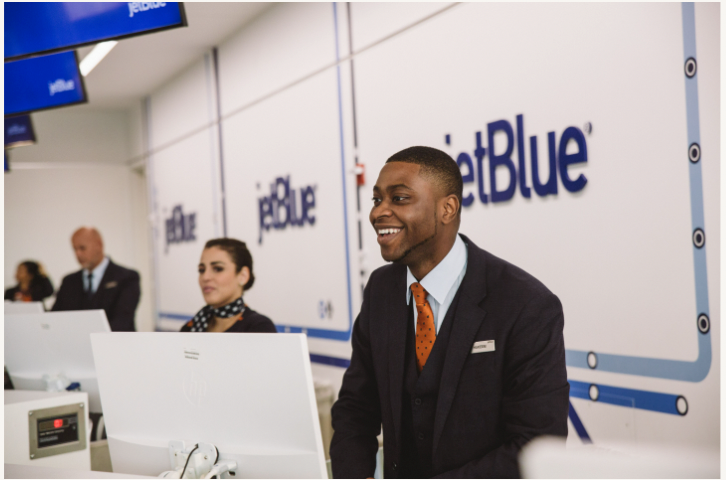
Photo: JetBlue Newsroom