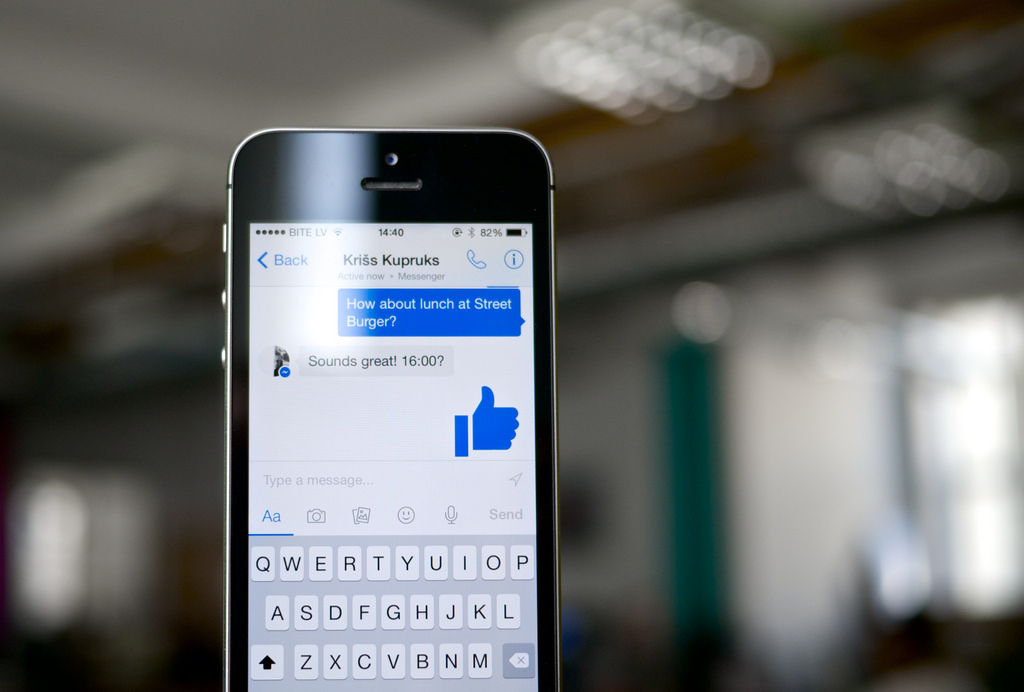
Some enterprising individuals managed to dig up a hidden feature buried under heaps of code for the iOS version of Facebook Messenger called “Rooms.” Apparently, it was meant to be some kind of social circle where groups could chat about practically anything. In related news, it would seem that there are more privacy concerns related to the social network than already known. This time, it’s about the phone numbers that Facebook is asking from users.
The discovery of “Rooms” was actually made after looking through the source code of the Messenger app and it contained certain references that explained what the feature was about, Tech Crunch reports. The publication was actually tipped off about the discovery by a developer named Chris Messina.
“Rooms are for public conversations about topics and interests,” the code reads. “Each room has a link that can be shared so anyone on Messenger can join the conversation.”
Users were supposed to be able to create their own “Rooms,” which their friends can join in. It even came with its own logo, with two interlocking circles on a blue, circular background.
When Facebook was asked about the feature, the site decided not to comment on it. In an update, the social network even decided to play it off as just another one of their experiments, which they do on a regular basis.
On to more serious news, Fortune argues that Facebook is becoming more and more of a privacy boogeyman than ever. Citing the social network’s method of using the phone numbers of its users to recommend friends to others, it would seem that Facebook is really taking liberties with its authority.
There was even a case where patients of one psychiatrist were put in touch by the social media site, which can open up a barrel of worms. With the payment system that is now available in the Messenger app, it’s practically guaranteed that Facebook will have access to even more personal information that it can take advantage of.