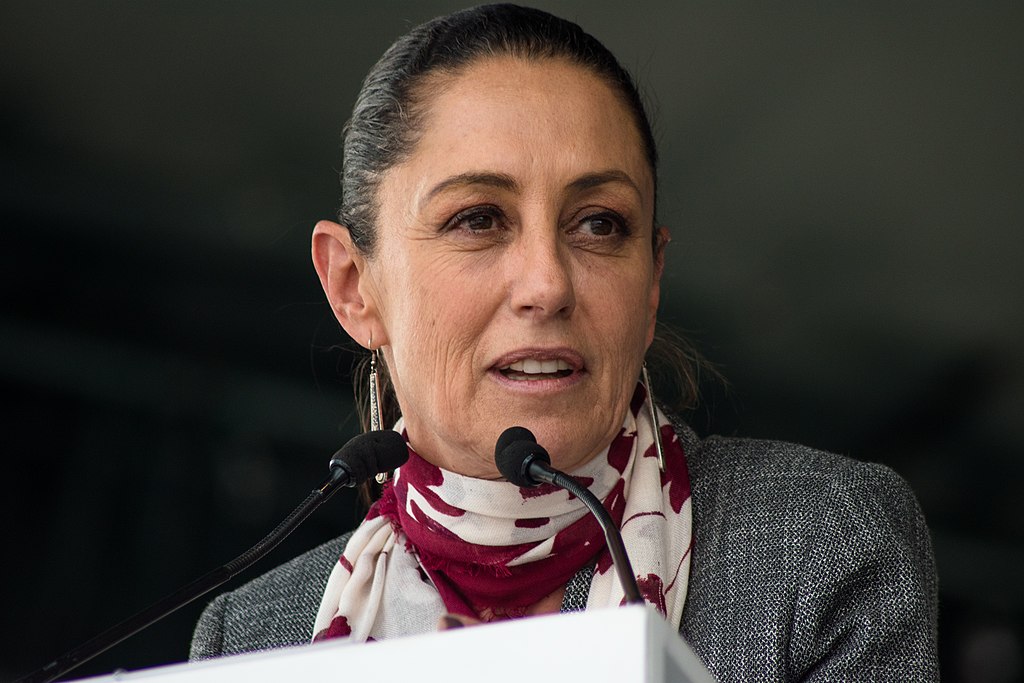
Mexican President Claudia Sheinbaum has announced retaliatory tariffs in response to the U.S. imposing 25% tariffs on all Mexican imports. In a post on X, Sheinbaum emphasized her preference for dialogue but stated that Mexico had no choice but to defend its economic interests.
She instructed Economy Minister Marcelo Ebrard to implement “Plan B,” which includes tariff and non-tariff measures targeting key U.S. imports. Though specifics were not disclosed, sources indicate that Mexico is considering tariffs of 5% to 20% on pork, cheese, fresh produce, and steel, while the auto industry remains exempt.
Trade between the two nations is highly integrated, with Mexico serving as the U.S.'s top export market in 2023. The U.S. exported over $322 billion worth of goods to Mexico while importing more than $475 billion. A 25% tariff on Mexican exports could result in a 12% decline in trade, potentially reducing Mexico’s GDP by 4% in 2025, according to economist Gabriela Siller.
Trump justified the tariffs by accusing Mexico of failing to curb fentanyl trafficking and illegal migration. Sheinbaum rejected these claims, citing her government’s crackdown on drug trafficking, which led to the seizure of 20 million fentanyl doses and over 10,000 related arrests.
Ebrard called the tariffs a “flagrant violation” of the U.S.-Mexico-Canada Agreement, vowing that Mexico would prevail. Meanwhile, ruling party leader Ricardo Monreal described the U.S. actions as one of the most severe economic attacks in Mexico’s history.
As tensions rise, the trade war threatens major industries, including agriculture, manufacturing, and energy. Mexico’s response could reshape North American trade, with long-term economic implications for both nations.