China’s economic momentum showed further signs of strain in November as key indicators pointed to slower growth in industrial output and a sharper-than-expected slowdown in consumer spending, according to official data released by the National Bureau of Statistics on Monday. The figures highlight ongoing challenges facing the world’s second-largest economy amid fragile domestic demand and a prolonged property sector downturn.
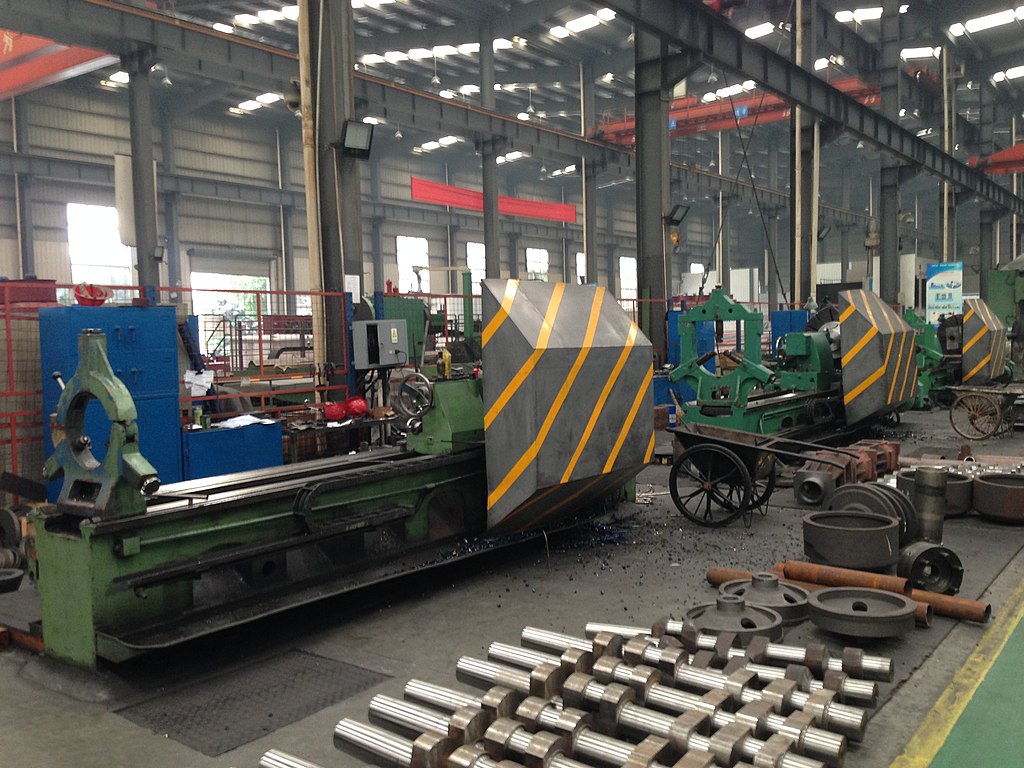
Industrial output, a major measure of manufacturing and production activity, increased by 4.8% year-on-year in November. While still reflecting moderate growth, this marked a slight deceleration from October’s 4.9% rise and fell short of the 5.0% increase forecast by economists surveyed by Reuters. The weaker-than-expected industrial performance suggests that factory activity remains under pressure despite policy support measures aimed at stabilizing growth.
Retail sales, widely viewed as a key indicator of household consumption, slowed more sharply. Sales grew just 1.3% year-on-year in November, down from a 2.9% expansion in October and well below market expectations of a 2.8% increase. The slowdown underscores persistent caution among Chinese consumers, who continue to rein in spending due to concerns over income growth, employment prospects, and falling property values.
Adding to the mixed economic picture, fixed asset investment declined by 2.6% in the January-to-November period compared with the same period a year earlier. This represented a deeper contraction than the 1.7% decline recorded in the January-to-October period and was slightly worse than the 2.3% drop anticipated by analysts. Weak investment reflects subdued activity in infrastructure, manufacturing, and especially real estate, which remains a major drag on economic growth.
Together, the latest China economic data suggest that while industrial production is holding up modestly, domestic demand and investment remain fragile. The figures are likely to reinforce expectations that policymakers may need to introduce additional stimulus measures to support growth and boost confidence in the months ahead, as China navigates a challenging global and domestic economic environment.