


 UK Housebuilder Stocks Surge on New First-Time Buyer Loan Scheme
  RBA Hikes Interest Rate to 4.60% as Inflation Risks Rise
  Fed Unveils Stablecoin Rules Under GENIUS Act
  RBA Set for September Rate Hike as Inflation Stays High
  U.S. Stock Futures Steady as AI, Rate Concerns Weigh
  Global Central Banks Brace for More Rate Hikes as Inflation Risks Rise
  US Dollar Hits Two-Month High as Aussie, Pound Slide
  Japan Warns Markets Over Yen Weakness
  BOJ Set for Rate Hike as Inflation and Yen Pressure Mount
  US Alcohol Ban Exposes Canada’s Internal Trade Barriers
  Asian Stocks Fall as Oil Surge, Bond Yields and AI Concerns Hit Markets
  China Industrial Profit Growth Slows as Weak Demand Offsets AI Gains
  Australia Budget Deficit Narrows to A$22.3 Billion on Stronger Tax Revenue
  Asian Currencies Weaken as Dollar, Oil Prices Rise
  XRP Price Targets $1.70 as Bullish Momentum Builds
  South Korea Exports Set for 16th Monthly Gain on AI Chip Demand


 Add as a preferred source on Google
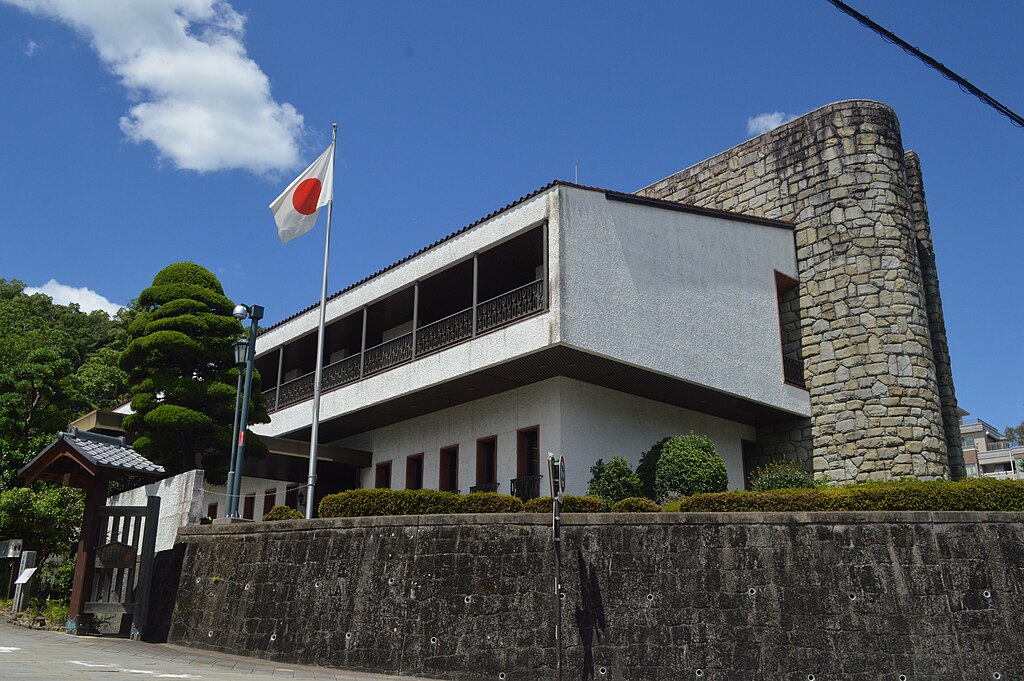
The Bank of Japan (BOJ) is widely expected to raise interest rates to 0.75% at the conclusion of its two-day policy meeting on Friday, marking the highest level in more than 30 years and closing the year with two rate hikes. While borrowing costs in Japan would still remain low compared with other major economies, the move would represent another significant milestone in Governor Kazuo Ueda’s push to normalize monetary policy after decades of ultra-loose conditions and near-zero rates.
Japan’s inflation has stayed above the BOJ’s 2% target for nearly four years, largely driven by persistently high food prices and rising import costs. These conditions have strengthened the central bank’s confidence that the economy is moving toward a sustainable cycle of inflation supported by solid wage growth, which the BOJ has long identified as a key prerequisite for higher interest rates. Recent data suggests that labor shortages are intensifying, prompting many firms to plan substantial wage increases again next year.
Government officials appear aligned with the central bank’s stance. Finance Minister Satsuki Katayama recently stated there was “no gap” between the government and the BOJ’s assessment of the economy, signaling tolerance for a rate increase to 0.75%. Markets are now focused on Governor Ueda’s post-meeting comments for clues on the future pace of rate hikes, especially as policymakers estimate Japan’s neutral interest rate to lie between 1% and 2.5%.
Despite the hawkish shift, the BOJ is expected to emphasize caution. A weak yen remains a concern, as further depreciation could push up import prices and fuel inflation, placing additional strain on households already facing declining real wages. Although a weaker yen benefits exporters, it raises costs for consumers and businesses alike. Japanese authorities have reiterated their readiness to intervene in currency markets to curb excessive yen volatility.
Analysts note that while a December rate hike is largely priced in, future moves will depend on economic data, wage trends, and currency developments. The BOJ’s balancing act between controlling inflation, supporting growth, and stabilizing the yen will remain a central theme in Japan’s monetary policy outlook for 2026 and beyond.







