


 Amazon Cuts More Jobs as AI Investment Expands
  Robinhood Chain Eyes Priority Gas Auctions for Faster Trades
  Amazon in Talks to Acquire AI Startup Decart for $7 Billion
  Trump Buys Up to $25M in Meta Stock, Invests in SpaceX Debt
  Apple Names Steve Smith M&A Chief in Leadership Shakeup
  OpenAI Revenue Hits $50 Billion, Below Earlier $70 Billion Estimate
  Zcash Plans Quantum-Resistant Security Upgrade for January
  Samsung, SK Hynix Shares Fall as China's CXMT Advances DRAM Technology
  Apple Supplier Luxshare Sees Limited Impact From US Patent Probe
  Epic Games Delays Disney Shooter, Shifts to AI-First Development
  Elon Musk Eyes Semiconductor Manufacturing Expansion With $15 Billion Terrafab Project
  Moonshot AI Executives Seek Settlement Ahead of Hong Kong IPO
  Meta Launches Muse Wonder AI Models, Shares Rise 3.7%
  TSMC Profit Set to Surge 65% as AI Chip Demand Drives Record Earnings
  OpenAI Annualized Revenue Hits $50 Billion, Below Earlier Estimates


 Add as a preferred source on Google
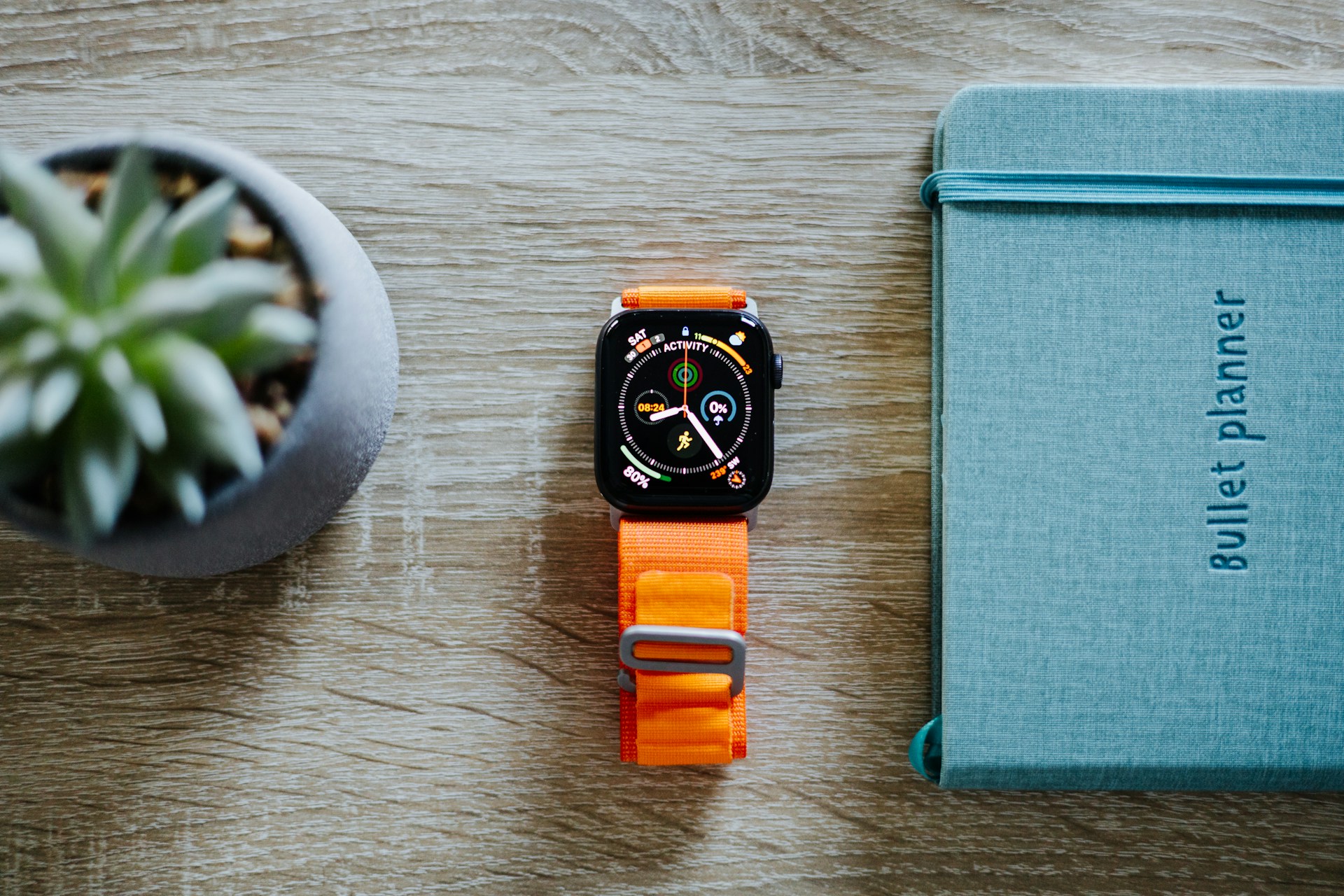
Apple is widely expected to include a microLED display in the Apple Watch Ultra, but a new report from Korea claims that the company may not have the supply chain ready in time to launch the device in 2026.
MicroLED Apple Watch Ultra Could Be Delayed Due to Supply Chain Issues
Last year, Taiwanese research firm TrendForce anticipated that the device would be released in 2026. That is later than several other publications, which have focused on 2025.
However, according to The Elec, high manufacturing costs and production yields remain the most significant impediments to mass production of the microLED Apple Watch Ultra, perhaps delaying its arrival beyond 2026.
Apple has apparently been developing unique microLED display technology for nearly a decade. The upgraded display delivers better brightness, color reproduction, dynamic range, viewing angles, and efficiency, making images look more like they are "painted" above the display glass.
The present Apple Watch Ultra has a display size of 1.93 inches, while the forthcoming microLED variant is rumored to have a 2.12-inch screen. Apple's concern is that the expense of producing a panel with such a high pixel density is still deemed prohibitively expensive for a gadget that now costs $799.
According to the article, simulation yields indicate that a 2.12-inch panel might cost up to $150, four times the cost of making the current OLED display ($38). Consumer sales of items with a panel price of $150 often total roughly $1,500.
For example, $150 is more expensive than making the OLED panels for the 6.1-inch and 6.7-inch iPhone 15, which cost $80 and $120, respectively. In terms of panel cost, the microLED Apple Watch Ultra is currently more expensive than Apple's most premium iPhones. According to today's article, the problem is so serious that releasing the device in 2027 may be unduly optimistic.
Apple's MicroLED Vision: A Bold Leap Towards Self-Reliance and Display Innovation
Apple is believed to be planning to replace all of its existing LCD, OLED, and mini-LED panels with microLED in the long run, with the technology being scaled up from the Apple Watch to the iPhone, iPad, Mac, and Vision Pro headset, as per MacRumors.
The effort is part of Apple's strategy to lessen reliance on Samsung as a supplier while reaping the benefits of developing its own displays in-house. However, until the company can get its component supply chain in order, microLED usage may remain a long way off.
Photo: Ricardo Resende/Unsplash







