


 TSMC Profit Set to Surge 65% as AI Chip Demand Drives Record Earnings
  Moonshot AI Executives Seek Settlement Ahead of Hong Kong IPO
  Visa Wins China Approval to Prepare Domestic Payments Expansion
  South Korea Blocks 27 Crypto Exchange Websites in Regulatory Crackdown
  Robinhood Chain Eyes Priority Gas Auctions for Faster Trades
  Epic Games Delays Disney Shooter, Shifts to AI-First Development
  Bumble Shares Surge 50% on $1 Billion Buyout Talks
  Nasdaq Faces Pullback to 26,225 Despite Bullish Outlook, UBS Says
  OpenAI Annualized Revenue Hits $50 Billion, Below Earlier Estimates
  FAA Warns US Airlines Over Saudi Arabia Flight Risks
  Yandex Data Center Hit by Drone Strike as Russia-Ukraine Cyber Infrastructure Attacks Escalate
  Airbus Tests Valkyrie Combat Drone in Europe for Eurofighter Integration
  Hong Kong’s Second Solana ETF Launches With Lower Fees
  European Auto Stocks Rise as EU-China Trade Deal Targets Hybrid Imports
  Samsung, SK Hynix Shares Fall as China's CXMT Advances DRAM Technology
  Jameson Lopp Downplays AI Threat to Bitcoin Cryptography


 Add as a preferred source on Google
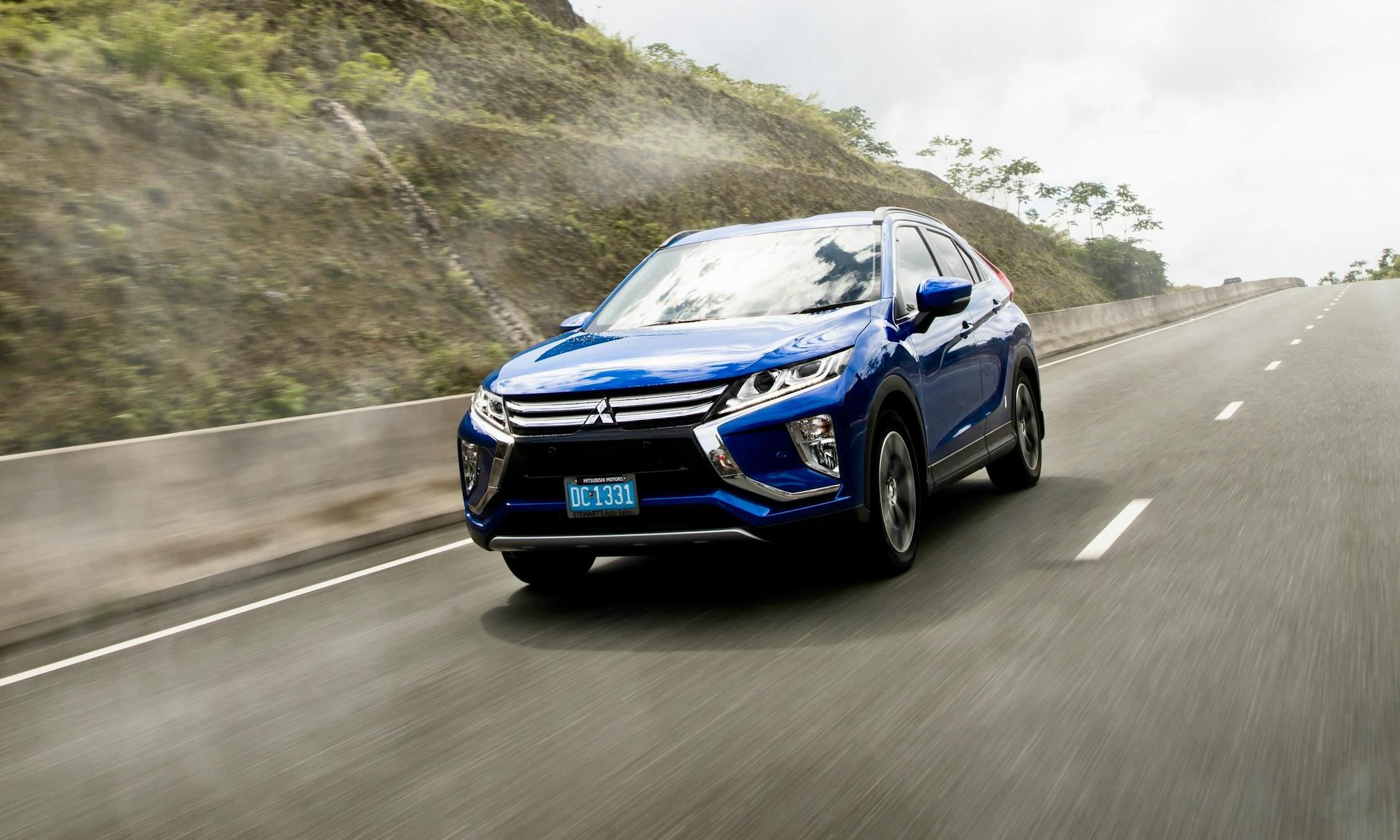
In a bid to counter declining market shares, Honda, Nissan, and Mitsubishi Motors are forming a strategic alliance to enhance their competitive edge in the automotive sector.
Mitsubishi to Join Alliance
The Nikkei newspaper reported on Sunday that Mitsubishi Motors of Japan is going to become a member of an alliance with Nissan Motor and Honda Motor, forming a partnership between the three carmakers with over 8 million units sold.
The three companies plan to standardize in-vehicle software that regulates cars, and Mitsubishi Motors, which Nissan owns 34% of, will collaborate with Honda and Nissan to finish off the details of their strategic alliance.
A representative from Nissan would only state that the report was not based on anything either company has disclosed; Mitsubishi Motors chose not to respond. When asked for a comment, Honda spokespeople chose not to answer.
According to Reuters, in the year leading up to March, half of Nissan's global sales came from sales in the United States and China; nevertheless, the Japanese manufacturer has been seeing a gradual decline in its market share in these two major regions, prompting this drive.
Heavy U.S. discounts nearly eliminated the company's first-quarter earnings, prompting Thursday to cut its annual projection.
Electric Car Component Collaboration
March saw announcements from both Nissan and Honda that they were contemplating a strategic alliance to work together on electric car components and AI for automotive software platforms.
The three automakers last year decided to reorganize their long-standing alliance in an effort to create a smaller, more pragmatic, and nimble collaboration; Mitsubishi Motors is already a part of it. The alliance also includes Nissan and Renault of France.
Japanese Industry Boost
The Japanese car industry could benefit from cost savings and increased resources if Nissan, Honda, and Mitsubishi Motors worked together, rather than competing with Chinese giants BYD and Tesla.
In China, the biggest car market in the world, Japanese brands used to dominate, but local manufacturers have stepped up production and won customers over with affordable, software-loaded automobiles.







