


 Orsted to Take Full Ownership of UK Offshore Wind Farm for £15 Million
  Meta Launches Muse Wonder AI Models, Shares Rise 3.7%
  Arthur Hayes Announces FLOP Testnet Launch Within Weeks
  Trump Buys Up to $25M in Meta Stock, Invests in SpaceX Debt
  Binance to Shut Down Crypto Mining Pool Services on November 10
  Epic Games Delays Disney Shooter, Shifts to AI-First Development
  Ethereum Foundation-Linked Wallets Move $11.13M in ETH to Kraken
  Canton Network Expands in South Korea With Major Partnerships
  Nasdaq Faces Pullback to 26,225 Despite Bullish Outlook, UBS Says
  South Korea Blocks 27 Crypto Exchange Websites in Regulatory Crackdown
  FAA Warns US Airlines Over Saudi Arabia Flight Risks
  Syndax Stock Drops 15% After Axatilimab Trial Failure
  Albertsons Seeks $9.3 Billion From Kroger Over Failed Merger
  Airbus Tests Valkyrie Combat Drone in Europe for Eurofighter Integration
  Apple Supplier Luxshare Sees Limited Impact From US Patent Probe
  Oracle Uses Trucked Natural Gas to Power AI Data Centers Amid Pipeline Delays
  OpenAI Annualized Revenue Hits $50 Billion, Below Earlier Estimates


 Add as a preferred source on Google
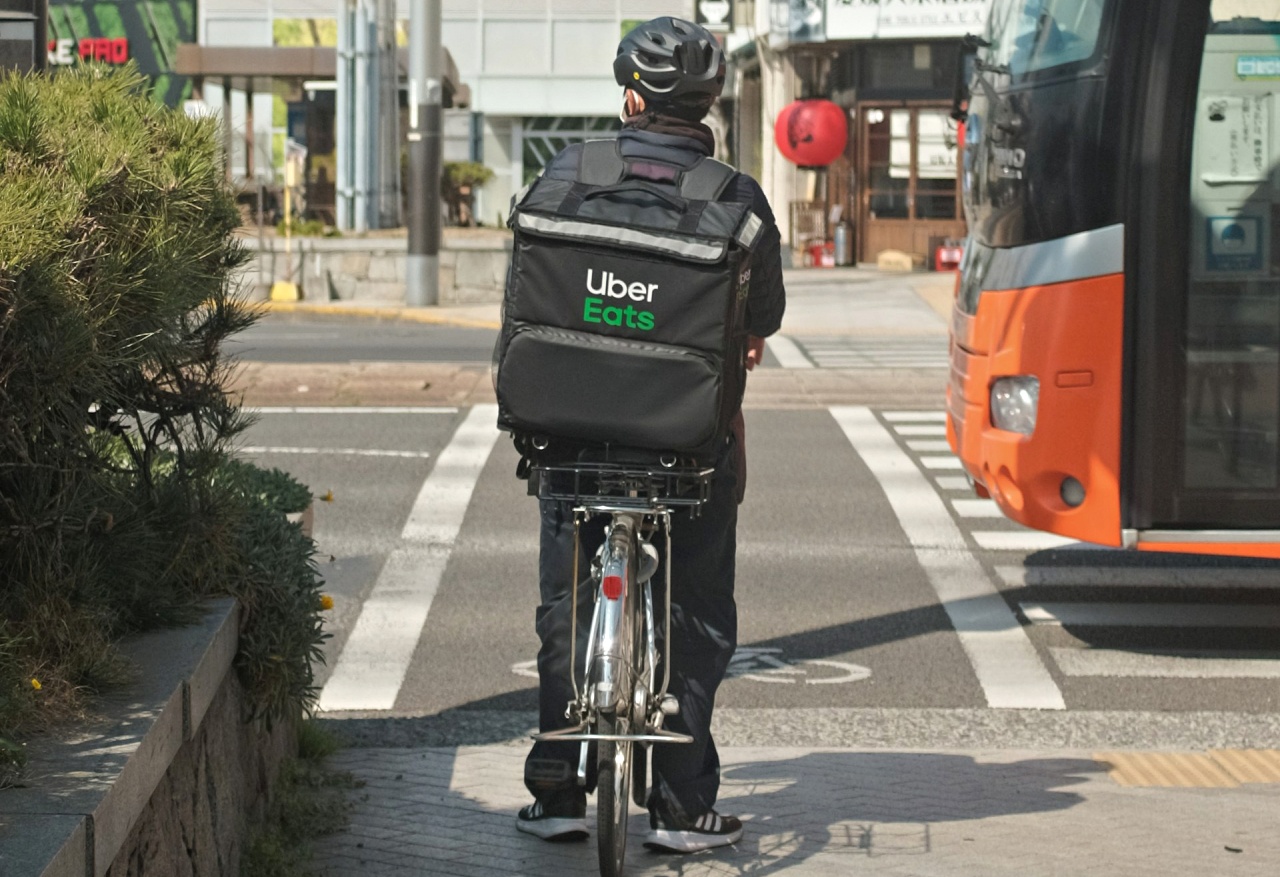
On Tuesday, Feb. 20, Uber Eats announced that it is rolling out self-driving delivery robots in Japan. For this, its parent company, Uber Technologies, Inc., said it is teaming up with Mitsubishi Electric and Cartken robotics firm for the project.
Uber said that its online food ordering and delivery platform will start delivering food orders using self-driving robots nationwide. The machines will navigate the sidewalks when transporting orders to homes and other locations.
Autonomous Delivery Kick-off Date
According to CNBC, Uber Eat said it had scheduled the deployment of its sidewalk robot deliveries for the last week of March. However, the companies said the initial launch will only cover some selected areas in Tokyo.
The food delivery unit of Uber added that Japan is its first international site for its autonomous robot delivery operations. It was noted that Uber Eats operations were limited to just a few cities in the United States.
Partnership with Mitsubishi and Cartken
The use of delivery robots in Japan indicates the latest effort shared by Uber Eats and Cartken, which already offer sidewalk robot deliveries in U.S. states such as Miami and Fairfax, Virginia. In other cities in the region, Uber Eats joined forces with Nuro, Motional, and Serve Robotics to start the autonomous delivery operations.
“This collaboration signifies a leap forward in redefining the future of food delivery, making it more accessible and sustainable to consumers in Japan,” Cartken’s co-founder and chief operating officer, Anjali Jindal Naik, said in a statement.
On the other hand, Mitsubishi Electric’s senior general manager of the Advanced Application Development Center, Development Division, Shoji Tanaka, said that the robot delivery services are “considered to be an effective countermeasure to the logistics crisis that will become more serious in the future.”
Tanaka added, “We hope that this newly announced initiative will serve as a catalyst for the spread of robot delivery services in Japan. In the future, we will work with buildings and factory infrastructure, which is one of our strengths, so autonomous robots will be able to deliver inside various facilities.”







