


 Fed’s Logan Signals 50 Basis Points More in Rate Hikes
  Geopolitical Shocks That Could Reshape Financial Markets in 2025
  Global Markets React to Strong U.S. Jobs Data and Rising Yields
  BlackRock’s Rick Rieder Favors Bonds Over Stocks as Treasury Yields Surge
  Fed May Resume Rate Hikes: BofA Analysts Outline Key Scenarios
  Australia Consumer Confidence Plunges as RBA Rate Hike Hits Households
  RBI Uses $10 Billion Currency Swaps to Drain Excess Rupee Liquidity
  European Stocks Rally on Chinese Growth and Mining Merger Speculation
  Moody's Upgrades Argentina's Credit Rating Amid Economic Reforms
  Gold Prices Slide as Rate Cut Prospects Diminish; Copper Gains on China Stimulus Hopes
  RBA Hikes Interest Rate to 4.60% as Inflation Risks Rise
  US Futures Rise as Investors Eye Earnings, Inflation Data, and Wildfire Impacts
  Trump’s "Shock and Awe" Agenda: Executive Orders from Day One


 Add as a preferred source on Google
Moody's Investors Services says that the new down-payment requirements for first and second home owners in China (Aa3 stable) are credit positive for the country's developers because they will support demand for properties in second-tier cities - and lower-tier cities to a lesser extent - by reducing the upfront down-payment hurdle for first-time home buyers, while encouraging more prospective upgraders or investors to purchase homes.
"While we do not expect a material or immediate increase in residential property sales because the central bank's move lowers the requirement by just 5-10 percentage points, we believe the Chinese authorities will continue to implement policies to lower total home inventory levels in the country," says Stephanie Lau, a Moody's Assistant Vice President and Analyst.
"Second-tier cities will benefit more from the new down-payment cuts than lower-tier cities, because of the stronger demand from end-users and upgraders in second-tier cities," says Cindy Yang, a Moody's Analyst.
Moody's analysis is contained in its just-released report titled "Property -- China: PBOC Cuts Down-Payment Requirement Further, a Credit Positive for Developers," and is co-authored by Lau and Yang.
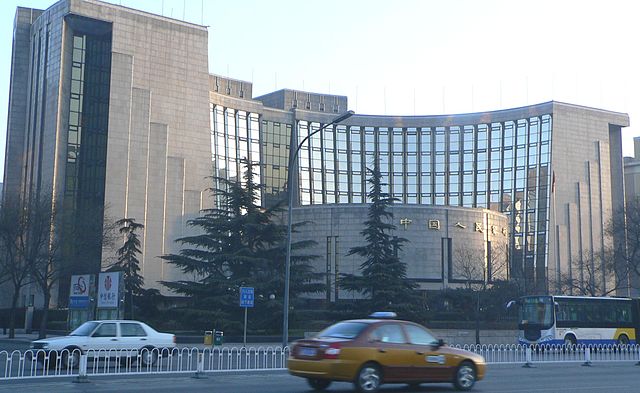
Moody's report points out that on 2 February 2016, the People's Bank of China (PBOC) announced that banks can reduce the minimum down-payment requirement to as low as 20% from 25% for first-time home buyers in cities that do not have restrictions on home purchases.
The central bank also reduced the minimum down-payment requirement for second-home buyers who exhibit outstanding mortgages on their first homes to 30% from 40%.
Moody's report further points out that lower-tier cities face high inventory risks, as indicated by the pressure on home prices in such cities, and slow home sales. Moody's says that these cities will require further government incentives to lower their stock of new homes.
Moody's also notes that property markets in second-tier cities have been recovering gradually, after the government's relaxation of restrictions over the past 12-18 months. Average property prices in second-tier cities registered their first positive growth in December 2015 since August 2014, reporting 0.6% year-on-year growth versus a 0.2% year-on-year decline in November 2015.
By contrast, prices in lower-tier cities remain under pressure, registering a continual year-on-year decline of 2.5% in December 2015.

- News

- Economy

- Central Banks
- Investing
- Research
- Roundups
- Digital Currency
- Insights
- Technical Analysis
- Technology
- Business
- Law
- Health
- Nature
- Fintech
- Science
- Topic
- Opinions
- ©Econometrics LLC . All Rights Reserved.
Moody's: PBOC's further easing of down-payments is credit positive for Chinese property developers
Thursday, February 4, 2016 2:20 AM UTC
Editor's Picks



- Market Data
Most Popular




