


 Neuralink Expands Brain Implant Trials with 12 Global Patients
  FDA Pilot Program Eases Rules for Nicotine Pouch Makers
  Is space worth the cost? Accounting experts say its value can’t be found in spreadsheets
  SpaceX Delays Starship V3 Launch Ahead of Potential Record IPO
  China vs. NASA: The New Moon Race and What's at Stake by 2030
  Trump Administration Releases New UFO Files and Apollo Mission Records
  Blue Origin New Glenn Rocket Explodes During Launch Pad Test, Delaying Space Ambitions
  Trump Administration to Launch Autism Initiatives Targeting Acetaminophen Use and New Treatment Options
  NASA Cuts Boeing Starliner Missions as SpaceX Pulls Ahead
  Cogent Biosciences Soars 120% on Breakthrough Phase 3 Results for Bezuclastinib in GIST Treatment
  SpaceX’s Starship Completes 11th Test Flight, Paving Way for Moon and Mars Missions


 Add as a preferred source on Google
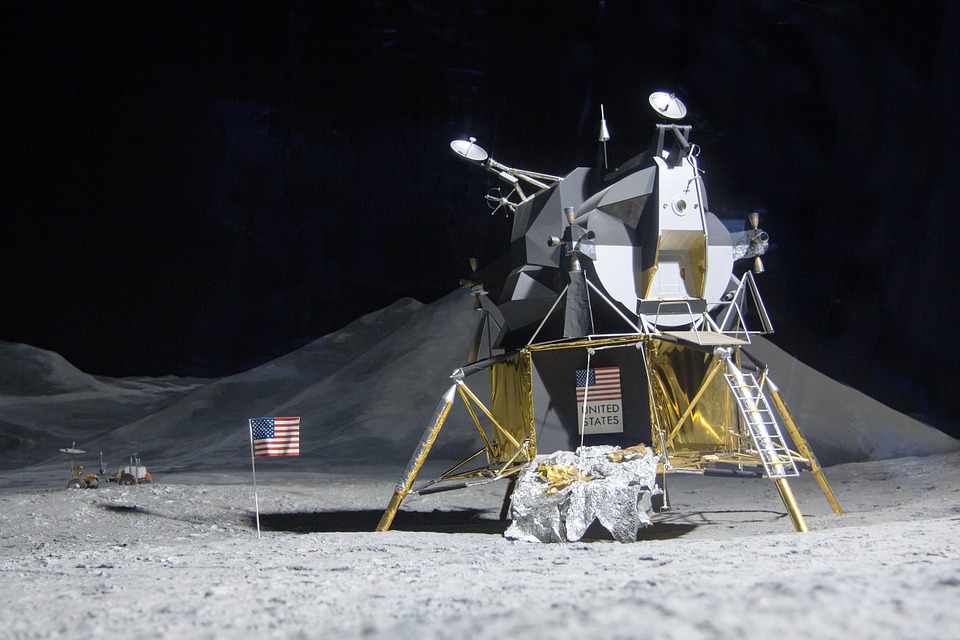
The Apollo 11 mission was known to be the most famous one due to it putting an end to the Space Race and for being the first successful moon mission. But there was one thing that astronauts Neil Armstrong and Buzz Aldrin never seemed to talk about, and colleague Michael Collins recently revealed what it was.
Express reports that in an interview, Collins recalled the Apollo 11 mission and revealed that there was one detail about that mission that was never seemed to be brought up in conversation. Collins referred to the mission as a “long and gradual daisy chain of events.” He went on to say that the thing they never brought up in conversation during the mission was the possibility of death. Collins said that the three of them knew it was an occupational hazard, but none of them expressed doubts about the mission either.
“It was way back in some obscure dark corner of our minds, but we had more important things to do or more immediate things to take care of,” says Collins.
Collins also shared some fond moments while on the Apollo 11 mission. He said that standing on the moon made for an amazing view. “The Sun was coming up from behind and its rays were cascading around the rim, it gave it a wonderful illumination and accentuating the highs of the craters and lows of the ground.”
Another detail about the Apollo 11 mission was also recently revealed. Space reports that Aldrin, Armstrong, and Collins had to spend three weeks in quarantine upon returning to Earth. This was due to the possibility of the three astronauts carrying microbes from the moon onto Earth, perhaps unleashing something that would be the stuff of many science-fiction movies.
According to NASA’s Chief of Biomedical Research and Environmental Sciences Division Dr. Judith Hayes, the space agency initially only needed a clean place to handle the samples collected from the moon. However, NASA, given that this was the first-ever mission, thought of the risk of germs from the moon contaminating the Earth despite it may not even existing, and as a precautionary action, Aldrin, Armstrong, and Collins were under quarantine for three weeks.
Even today, astronauts are placed under quarantine before the launch to avoid the possibility of transmitting germs into orbit.







