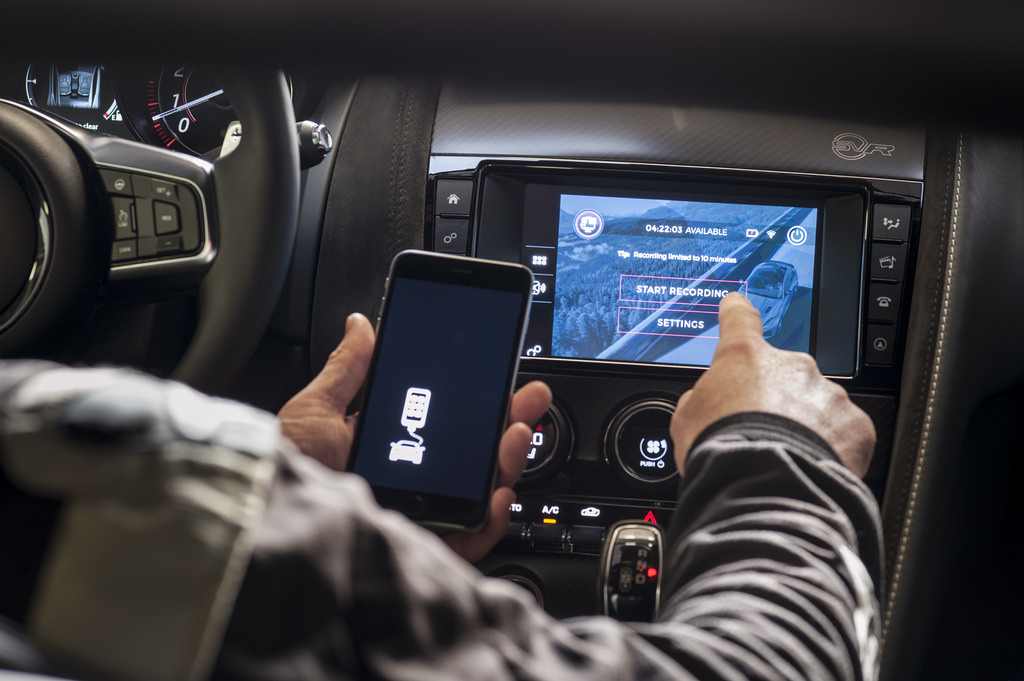
With technology progressing at a rapid pace, car companies are constantly loading their cars with more and more stuff for drivers to do. However, a new report filed by the AAA Foundation for Traffic Safety noted that more technology actually puts drivers at higher risk of getting distracted. More distractions mean more risks of accidents.
In the report that the foundation published, it was revealed that following the commissioning of researchers from the University of Utah, the visual and cognitive demands that modern infotainment systems inflict on drivers are dangerously high. The categories that the researchers looked into included the car models, the input method involved, and which of these methods were the most demanding.
The researchers looked at 30 different models and found that 23 ranked highly on the scale of demanding too much of driver cognition. This result was derived from several tests, which included making calls, sending text messages, and even just turning on the radio.
Of these factors, it would seem that the most demanding is the matter of navigation, CNET notes. This makes sense since both listening to the GPS prompt or setting destinations on the GPS map would both require drivers to devote some portion of their concertation away from the road.
Naturally, one could make the argument that many other tasks and elements of driving could cause distractions. However, what the researchers found troubling was the length of time at which these tasks preoccupied the brains of drivers. This processing power should be directed at looking for hazards and keeping an eye on traffic. Instead, the eyes keep getting pulled away and the same goes for their ears.
As a result, the AAA report suggests that drivers should limit their use of technology while driving to situations when it’s absolutely necessary. The study also suggests that things like navigation should be set before traveling or when the car is stopped.