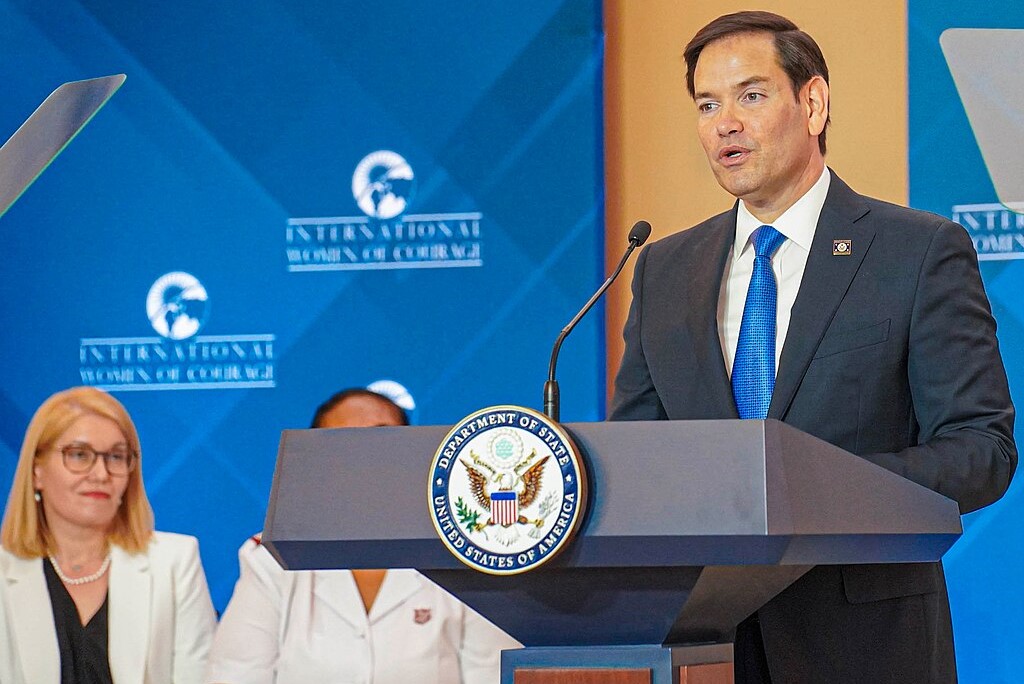
U.S. Secretary of State Marco Rubio announced that all NATO members are expected to agree on a defense spending goal of 5% of GDP by the 2025 NATO Summit in June. Speaking on Fox News’ Hannity, Rubio emphasized the growing commitment among allies to bolster defense budgets amid rising global tensions.
Rubio noted that nearly every NATO country will meet or exceed the current 2% defense spending benchmark, with many already approaching or surpassing 4%. He stressed that the collective goal is for all members to reach 5% of GDP over the next decade.
The move comes in response to long-standing pressure from the United States, particularly from President Donald Trump, who during his 2017–2021 term criticized NATO allies for not sharing the defense burden. Trump has repeatedly argued that the U.S. contributes disproportionately to the alliance.
In a show of support, German Foreign Minister Johann Wadephul recently said Berlin backs Trump’s push for increased defense investment. Germany confirmed in January that it met the 2% spending target in 2024, marking a significant shift in its defense policy.
The 2025 NATO Summit is scheduled to take place in the Netherlands from June 24 to 25. The summit is expected to be a pivotal moment for the alliance, highlighting a unified front in response to growing geopolitical threats, including from Russia and China.
As NATO recalibrates its strategic priorities, the 5% defense spending goal signals a significant evolution in alliance policy, underscoring a renewed emphasis on collective security and preparedness. The upcoming summit will likely cement this historic shift in defense commitment among NATO members.