WASHINGTON, Feb. 11, 2016 -- Nuclear energy continues to provide considerable and distinct value to America's economic and environmental goals, as evidenced most recently by record-setting efficiency during 2015 at the nation's nuclear power plants.
|
|||||
This was the message to Wall Street financial analysts today at a briefing held by the Nuclear Energy Institute, which represents companies that own and operate the nation's 99 reactors.
Nuclear energy facilities operating in 30 states generate 63 percent of America's carbon-free electricity. In 2015, based on preliminary NEI estimates, they achieved a record-high level of efficiency with an electric sector-leading average capacity factor of nearly 92 percent. Capacity factor of a power plant is the ratio of the actual electricity the plant produced during the year divided by the amount of electricity the plant would have produced at full capacity.
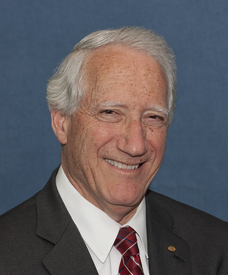
"These attributes and exemplary performance at nuclear energy facilities demonstrate the urgent need to correct electricity market flaws that continue to place some high-performing nuclear energy facilities at risk of premature retirement," said Marvin Fertel, NEI's president and chief executive officer.
"It simply defies logic to shut down carbon-free nuclear plants, each of which employs 600-plus people, and replace them with natural gas plants employing maybe 30 people and whose cost of producing electricity is nearly 60 percent higher," Fertel added. "Shutting these needed facilities is a major blow to the local economy, both in the loss of jobs and tax revenue, and to the environment."
Nuclear power plants have distinct attributes that include foundational support for the electric grid under all weather conditions, price stability and on-site, long-term fuel supplies, Fertel noted. Over the past three years, however, eight reactors totaling 6,300 megawatts of electric generating capacity have closed prematurely or their closings have been announced. Four of the retirements stem from market issues.
"We have no time to waste. If we do not demonstrate a greater sense of urgency about addressing the problems in the electricity markets, we will lose more nuclear plants," Fertel warned. Absent these existing reactors, it would be "extremely difficult" for the nation to achieve meaningful reductions in carbon emissions.
There has been movement in recent months in Ohio, Illinois and New York to better compensate nuclear plants for their clean-air value. But these and other potential changes—in Federal Energy Regulatory Commission rules, for example—aren't being made quickly enough, Fertel said. "We are not doing enough, fast enough to establish the policies necessary to preserve existing nuclear assets," he said.
Along with its efforts to generate additional revenue and increase asset value through market reforms, the industry has undertaken a major efficiency initiative called "Delivering the Nuclear Promise—Advancing Safety, Reliability and Economic Performance." Developed by leaders across the industry, it will provide companies with innovative solutions through efficiency and technology measures with a goal of enabling significant cost reductions by 2018 and beyond.
"Delivering the Nuclear Promise is a major undertaking for the industry and in doing so we will not compromise on our commitment to safety and reliability," Fertel said. "I'm confident we will achieve our goal of greater efficiency. We believe that safety will be further enhanced because our workforce will be focused on high-priority work and be less distracted by issues of low safety significance."
Fertel also pointed to 2015 advancements in other areas:
- The Tennessee Valley Authority completed construction of the Watts Bar 2 reactor and received its Nuclear Regulatory Commission operating license in October. The plant is expected to begin producing electricity to the grid by midyear.
- Four reactors under construction at the Vogtle and Summer plants in Georgia and South Carolina, respectively, are progressing and expected to come online in 2019 and 2020.
- Small modular reactor (SMR) developers formed a consortium to commercialize these emerging designs. NuScale, the lead developer in SMRs, is planning to file its application for design certification with the Nuclear Regulatory Commission before the end of the 2016. Looking beyond 2025, private investors have committed $1.6 billion to 48 companies to advance the commercialization of the next generation of reactor designs.
- The industry is progressing with second license renewal for nuclear power plants that will extend electricity production for up to 80 years. Dominion Virginia Power announced its intent to file a second license renewal application for its Surry power station.
- Significant commercial nuclear trade agreements with China and South Korea were renewed in 2015, and the U.S. Export-Import Bank was reauthorized by Congress for four years, all policy successes that are essential for U.S. competitiveness in global nuclear energy markets.
###
The Nuclear Energy Institute is the nuclear energy industry's policy organization. This news release and additional information about nuclear energy are available at www.nei.org.
A photo accompanying this release is available at: http://www.globenewswire.com/newsroom/prs/?pkgid=38902
CONTACT: Contact NEI's media relations staff at media(at)nei.org, 202.739.8000 during business hours or 703.644.8805 after hours and weekends.