


 Trump Sanctions International Criminal Court, Sparking EU Backlash
  CNN, Politico and MS NOW Seek Court Order Blocking Trump White House Ban
  Amazon in Talks to Acquire AI Startup Decart for $7 Billion
  FAA Warns US Airlines Over Saudi Arabia Flight Risks
  Wall Street Falls as Oil Prices Rise and Tech Stocks Slide
  Moonshot AI Executives Seek Settlement Ahead of Hong Kong IPO
  US Appeals Court Keeps Trump IRS Case Sanctions in Place
  US Backs Musk in Fight Against EU’s €120 Million X Fine
  Disney Expands Infinity Vision to Challenge Imax
  Evan Gershkovich Says FSB Set Trap for 2023 Russia Arrest
  Gold Prices Rise as Hormuz Tensions Fuel Inflation Risks
  Apple Cuts iPhone 18 Pro Production Orders Amid Weak Demand
  US Charges Maduro and Wife With Torture Conspiracy
  California Woman Arrested Over Alleged Spying on Taiwan President’s Son
  Meta Found Liable in New Mexico Facebook Data Privacy Case
  Florida Seeks Tougher Meta Rules to Protect Young Users
  OpenAI Annualized Revenue Hits $50 Billion, Below Earlier Estimates


 Add as a preferred source on Google
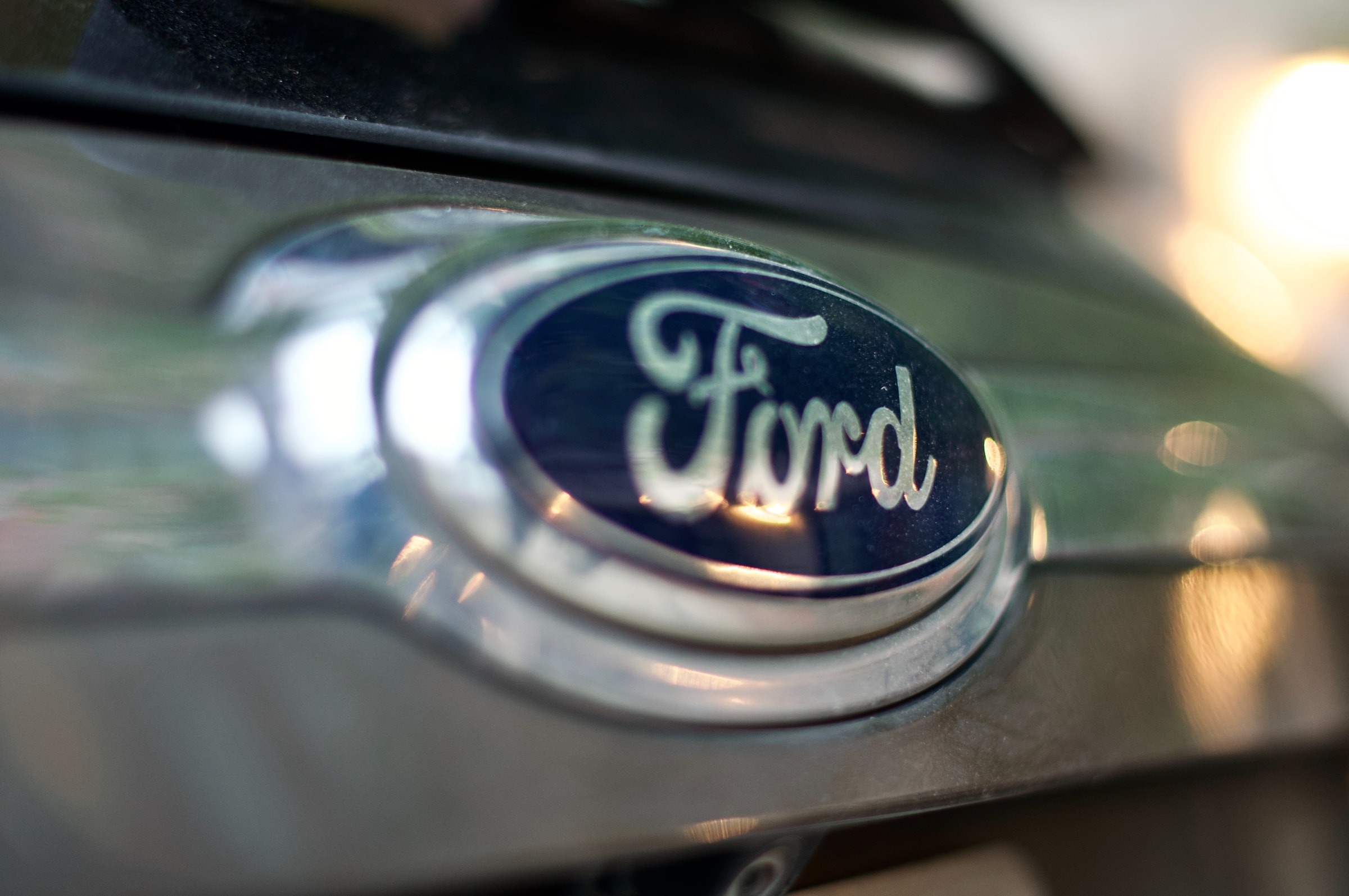
The National Highway Traffic Safety Administration (NHTSA) is increasing its scrutiny of 2021-2022 Ford SUVs, with over 700,000 vehicles now included. There were numerous complaints regarding engine failures.
Vehicles at Risk of Catastrophic Engine Failure
According to the Associated Press, the incidents occurred unexpectedly "under normal driving conditions," particularly in models equipped with EcoBoost engines.
In response to these concerns, the NHTSA has expanded the ongoing recall, which initially encompassed the 2021 Ford Bronco, 2022 Bronco, 2021-2022 F-150, 2021-2022 Edge, and 2021-2022 Lincoln Nautilus.
The recall now extends to the 2021-2022 Explorer and 2021-2022 Lincoln Aviator, featuring the "Nano" engine family with 2.7L and 3.0L EcoBoost engine variants.
According to an NHTSA document released on Monday, the investigation found that the 708,837 vehicles under scrutiny "may experience a loss of motive power without restart due to catastrophic engine failure." However, no fatalities or injuries associated with these potentially faulty engines have been reported.
Engineering Analysis Signals Potential Recall
The NHTSA recently announced that the investigation has been upgraded to an engineering analysis, bringing it one step closer to a recall. This increased attention reflects the seriousness with which the NHTSA regards the reported engine failures and their potential impact on vehicle safety.
The investigation was initiated in July 2022 following consumer complaints received by the regulator. Preliminary findings from the NHTSA's Office of Defects Investigation revealed that Ford had received 328 complaints, 487 warranty claims, and 809 engine exchanges related to various vehicles featuring the EcoBoost engine, including the 2021-2022 Bronco.
The NHTSA's investigation uncovered "multiple contributing factors" leading to the fracturing of intake valves in the subject engines, CBS News reported. Fractured intake valves have been identified as the primary cause of catastrophic engine failure, resulting in a complete loss of motive power.
Ford has acknowledged that, after valve fractures, affected vehicles typically require a full engine replacement. The defective valves were manufactured out of a specific alloy known as "Silchrome Lite," Ford told the ODI can "become excessively hard and brittle" when the engine gets too hot.
It is essential to note that the current engine investigation is separate from the NHTSA's ongoing probe into Ford SUVs unexpectedly rolling away, even when parked. In June, Ford issued a recall for certain 2020-2022 Explorers due to fractures in the rear axle mounting bolt that could cause the drive shaft to disconnect. Interestingly, some Explorers activated their electronic brakes while owners were still driving after fixing this issue.
Photo: Dan Dennis/Unsplash







