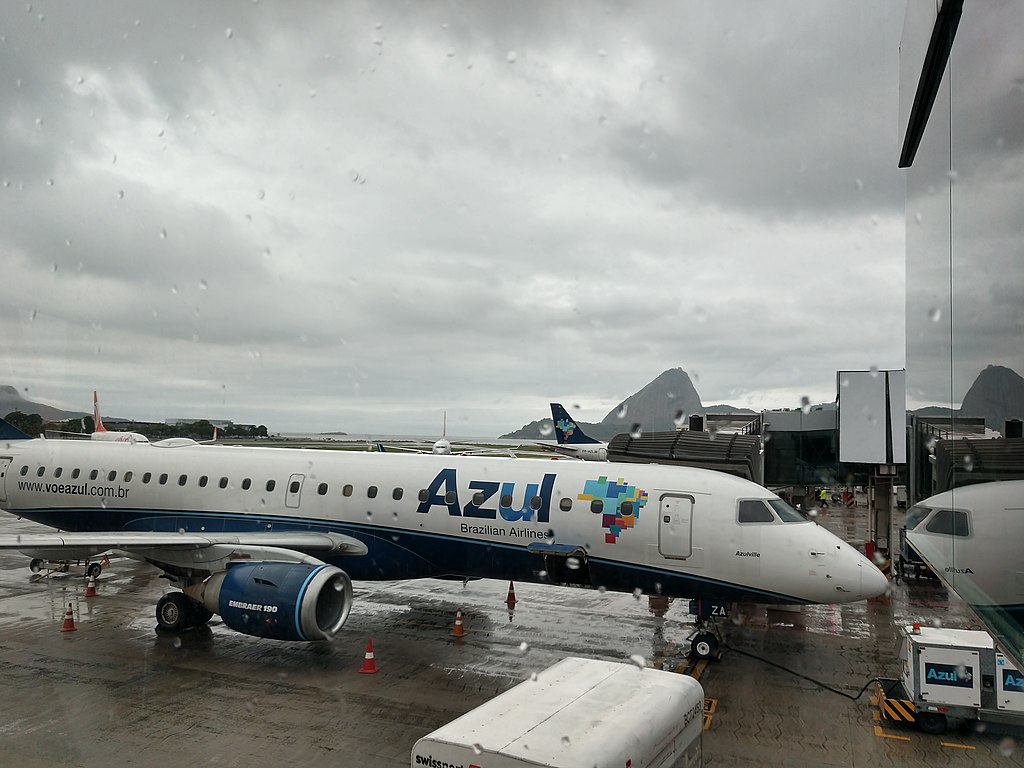
A U.S. bankruptcy judge has approved Azul Linhas Aéreas Brasileiras’ comprehensive debt restructuring plan, marking a major milestone for the Brazilian airline as it works to stabilize its finances and strengthen its balance sheet. The decision allows Azul to eliminate more than $2 billion in debt while securing new funding through an equity rights offering and strategic investments from American Airlines and United Airlines.
The ruling was issued on Friday by U.S. Bankruptcy Judge Sean Lane during a court hearing in White Plains, New York. The approval clears the way for Azul to move forward with its restructuring strategy, which has been closely watched by investors and the global aviation industry amid ongoing financial pressures on airlines.
Azul’s restructuring plan is designed to significantly reduce leverage and improve long-term liquidity. By cutting over $2 billion in debt, the airline aims to lower interest expenses and gain greater financial flexibility. The plan also includes raising fresh capital through a new equity rights offering, giving existing shareholders the opportunity to participate in the airline’s recovery and future growth.
A key element of the approved plan is the involvement of major U.S. carriers American Airlines and United Airlines, which will invest in Azul as part of the restructuring. Their participation is seen as a strong vote of confidence in Azul’s business model, network strategy, and prospects in Brazil’s competitive aviation market. The investments are also expected to reinforce commercial partnerships and deepen cooperation between Azul and its U.S. airline partners.
Azul entered bankruptcy proceedings in the United States as part of a broader effort to address debt accumulated during years of operational challenges, including the severe impact of the COVID-19 pandemic on air travel demand. Like many airlines worldwide, Azul faced rising costs, currency volatility, and pressure on revenues, making a comprehensive financial overhaul necessary.
With court approval now secured, Azul is positioned to exit bankruptcy with a healthier balance sheet, improved access to capital, and stronger strategic backing. The airline expects the restructuring to support ongoing operations, fleet optimization, and future expansion, while restoring confidence among investors, creditors, and passengers alike.