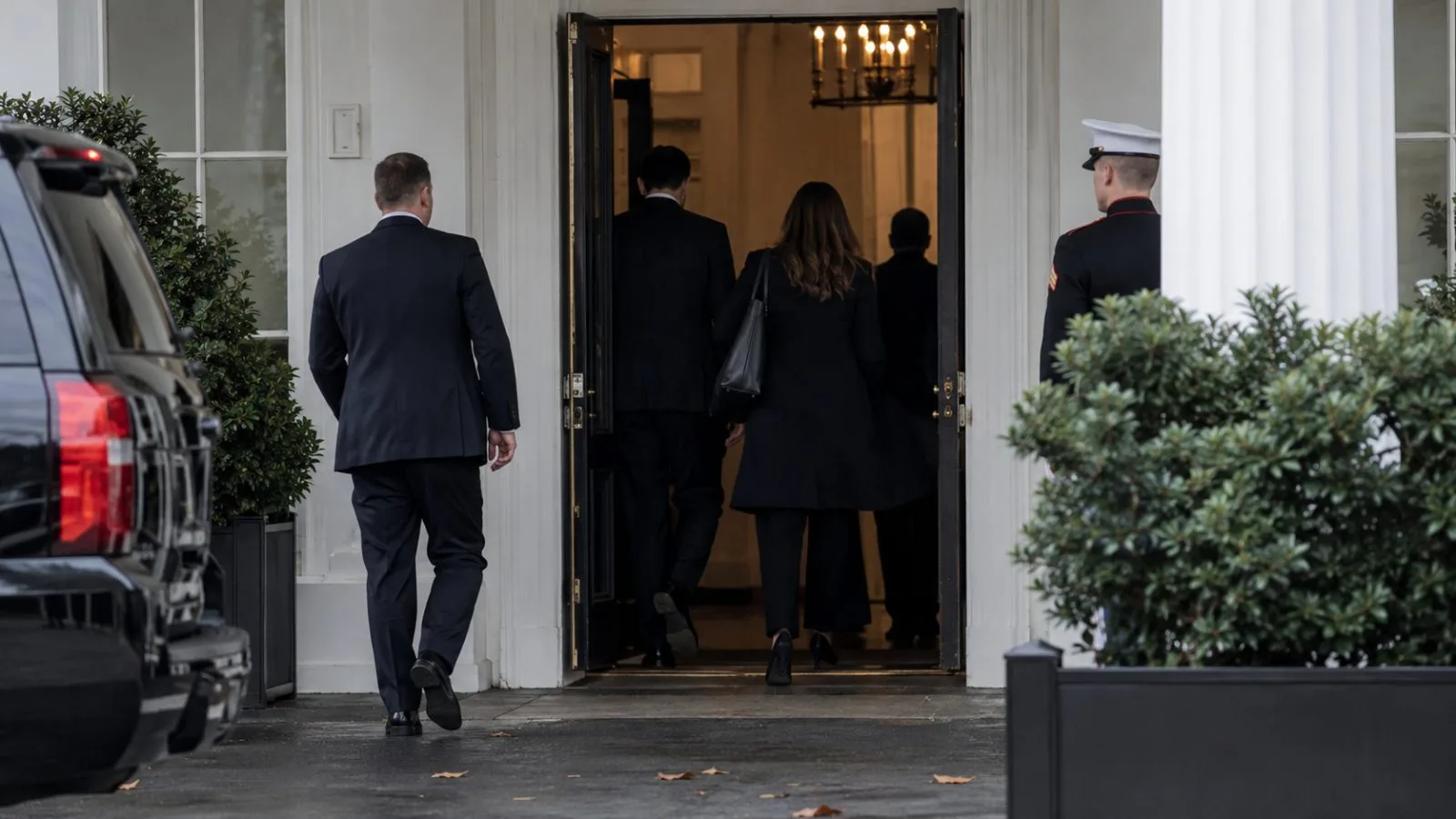
Israeli Prime Minister Benjamin Netanyahu met U.S. President Donald Trump on Wednesday to discuss efforts to secure a Gaza ceasefire and the release of hostages, as Israel’s military campaign in the Palestinian enclave continues. Netanyahu said the two leaders also reviewed the “great victory” over Iran, referring to last month’s joint Israeli-U.S. strikes on Iranian nuclear facilities.
This marks Netanyahu’s third visit to the U.S. since Trump took office on January 20. He acknowledged the war in Gaza is ongoing but noted that negotiations are advancing. Trump’s Middle East envoy, Steve Witkoff, expressed optimism, saying a 60-day ceasefire deal could be finalized within days. The potential agreement would include the release of 10 living and nine deceased hostages.
Hamas official Taher al-Nono confirmed that talks remain difficult. Key sticking points include unrestricted humanitarian aid to Gaza, Israeli troop withdrawal lines, and guarantees for a permanent ceasefire. Israel reportedly wants to control about one-third of Gaza, including the strategic Morag Axis corridor. It also insists on using the U.S.-backed Gaza Humanitarian Foundation system for aid delivery—criticized by the UN for safety concerns and linked to over 600 deaths.
Despite peace talks, Israeli airstrikes persist. In Khan Younis, a grandmother mourned three grandchildren killed in a recent attack. In Gaza City, residents searched rubble for survivors, hindered by a fuel shortage.
The war began after a Hamas-led attack on Israel in October 2023 that left 1,200 dead and 251 hostages taken. According to Gaza’s health ministry, Israel’s response has killed over 57,000 Palestinians. Roughly 50 hostages remain, with 20 believed to be alive. The UN warns that nearly half a million Gazans face starvation, with over 2 million displaced.