


 Fairshake Backs 32 Pro-Crypto House Candidates
  FIFA Defends Balogun Ban Suspension After Trump Praise Sparks World Cup Controversy
  U.S. Eases Iran Team Travel Restrictions Ahead of Seattle World Cup Match
  U.S. Plans $115 Million Counter-Drone Investment to Secure FIFA World Cup and Major National Events
  NBA Returns to China with Alibaba Partnership and Historic Macau Games
  Mexico President Claudia Sheinbaum Reconsiders Early School Closure Plan Ahead of 2026 World Cup
  World game at war: why some European nations have threatened a World Cup boycott
  Firmus Grid IPO Draws Strong Demand, Nvidia and Blackstone Could Raise Stakes
  BofA Raises Coinbase Stock Target to $203 on Stablecoin Growth
  Trump Signs Executive Order Targeting Big-Money College Athlete Payouts
  Kraken Parent Payward Adds 24/7 Settlement With Singapore Gulf Bank
  JD Vance to Lead U.S. Presidential Delegation at Milano Cortina Winter Olympics Opening Ceremony
  Schneider Electric to Buy PTC in $22.6 Billion Deal
  Republican Lawmakers Urge National Guard Role for World Cup Drone Security
  Kalshi Wins CFTC Approval for S&P 500 Perpetual Futures


 Add as a preferred source on Google
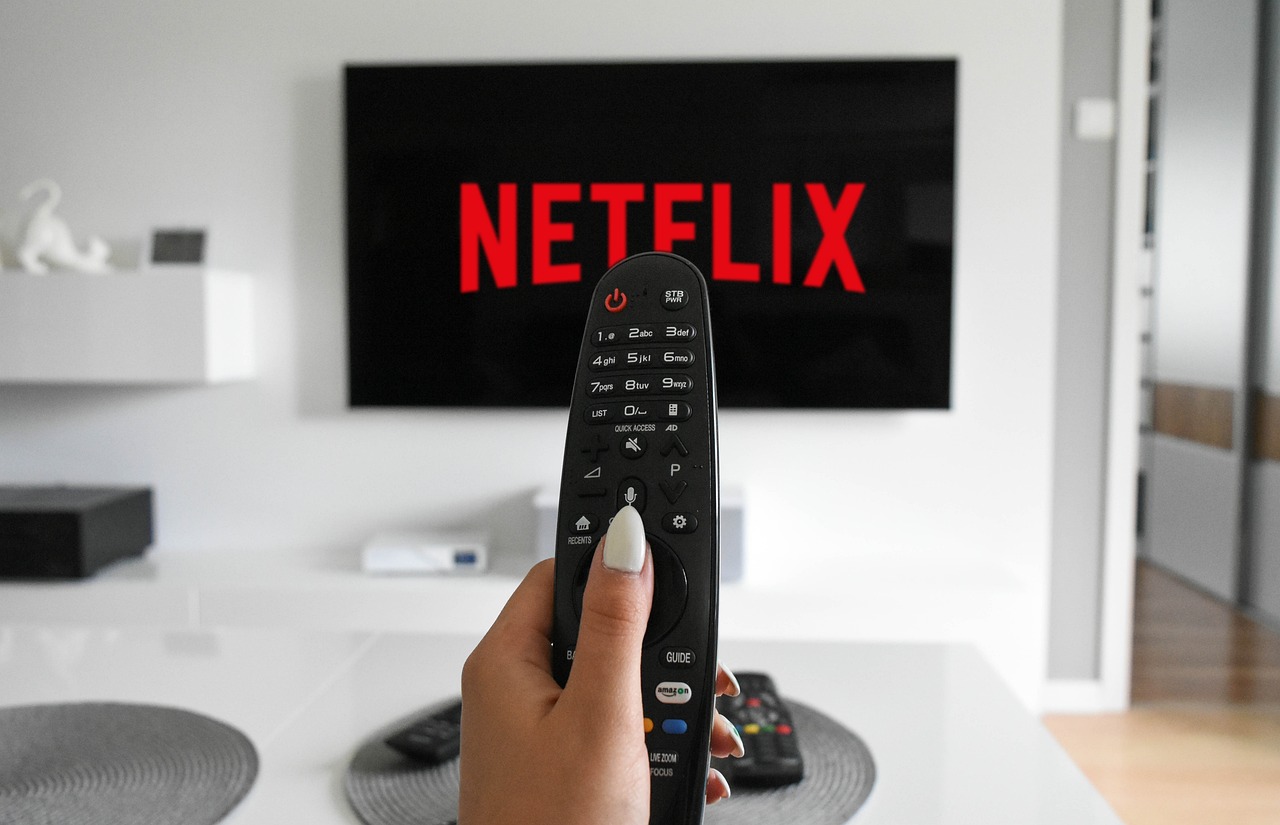
A fierce competition is emerging for the U.S. broadcast rights to the 2030 and 2034 FIFA World Cups, with major streaming and media companies reportedly preparing bids that could reshape the sports broadcasting landscape. According to CNBC, Netflix, Walt Disney, and Alphabet-owned YouTube are among the companies exploring offers for one of the most valuable sports media packages in the world.
Talks between FIFA and potential broadcasting partners are expected to begin within the next three months. Industry executives are reportedly preparing bids worth between $1.5 billion and $2 billion for each tournament, significantly exceeding previous World Cup media rights agreements in the United States.
FIFA is also considering a new strategy by bundling the English-language and Spanish-language U.S. broadcasting rights into a single package. The move could increase the overall value of the deal while making it more difficult for some traditional broadcasters to compete. Comcast's NBCUniversal, for example, is reportedly unlikely to pursue the package aggressively as it evaluates its financial position following its planned corporate restructuring.
The upcoming tournaments will be hosted across North Africa, Europe, and Saudi Arabia, presenting less favorable viewing time zones for U.S. audiences. Despite that challenge, interest remains strong as global streaming platforms increasingly view premium live sports as a key driver of subscriber growth, advertising revenue, and long-term customer engagement.
The bidding process could become even more competitive if additional technology giants such as Amazon and Apple decide to enter the race. Unlike conventional television networks, these companies have greater flexibility to invest heavily in premium sports content as part of their broader streaming strategies.
While the prospect of securing FIFA World Cup rights could strengthen a company's streaming portfolio, investors remain cautious about the enormous investment required. Analysts are closely watching whether the potential long-term gains from subscriptions and advertising can justify a price tag that could reach $2 billion per tournament.
Following the report, shares of Netflix, Disney, and Alphabet were little changed, reflecting Wall Street's cautious stance as the market evaluates both the costs and future revenue opportunities tied to one of sports' most sought-after media rights packages.







