


 Trump Defends Russian Diesel Deal Amid US Sanctions Backlash
  India Voter List Protests Reach Supreme Court as Opposition Demands Election Chief's Resignation
  Yandex Data Center Hit by Drone Strike as Russia-Ukraine Cyber Infrastructure Attacks Escalate
  Djibouti Migrant Boat Capsizes, Killing 139 and Leaving 84 Missing
  US Authorities Raid Ilhan Omar’s Home Amid Immigration Fraud Probe
  Trump Sanctions International Criminal Court, Sparking EU Backlash
  Pakistan Declares Emergency in Khyber Pakhtunkhwa, Suspends Imran Khan’s PTI Government
  US Condemns China Sanctions on Taiwan Allies Belize and Paraguay
  NATO Commander Warns Russia of Devastating Response to Attack
  North Korea Fires Ballistic Missiles as Tensions With South Korea Escalate
  Elon Musk Donates $366 Million to 2026 US Midterms
  Jordan Bardella Antisemitism Allegations Threaten Le Pen’s Campaign
  Kim Jong Un Showcases ICBM Ahead of Possible Trump Meeting
  Houthis Warn Saudi Airports After Deadly Riyadh Attack
  Trump Announces Russia-Ukraine Energy Ceasefire as Zelenskiy Awaits Details
  Trump Plans White House Shake-Up of Key AI Safety Agency


 Add as a preferred source on Google
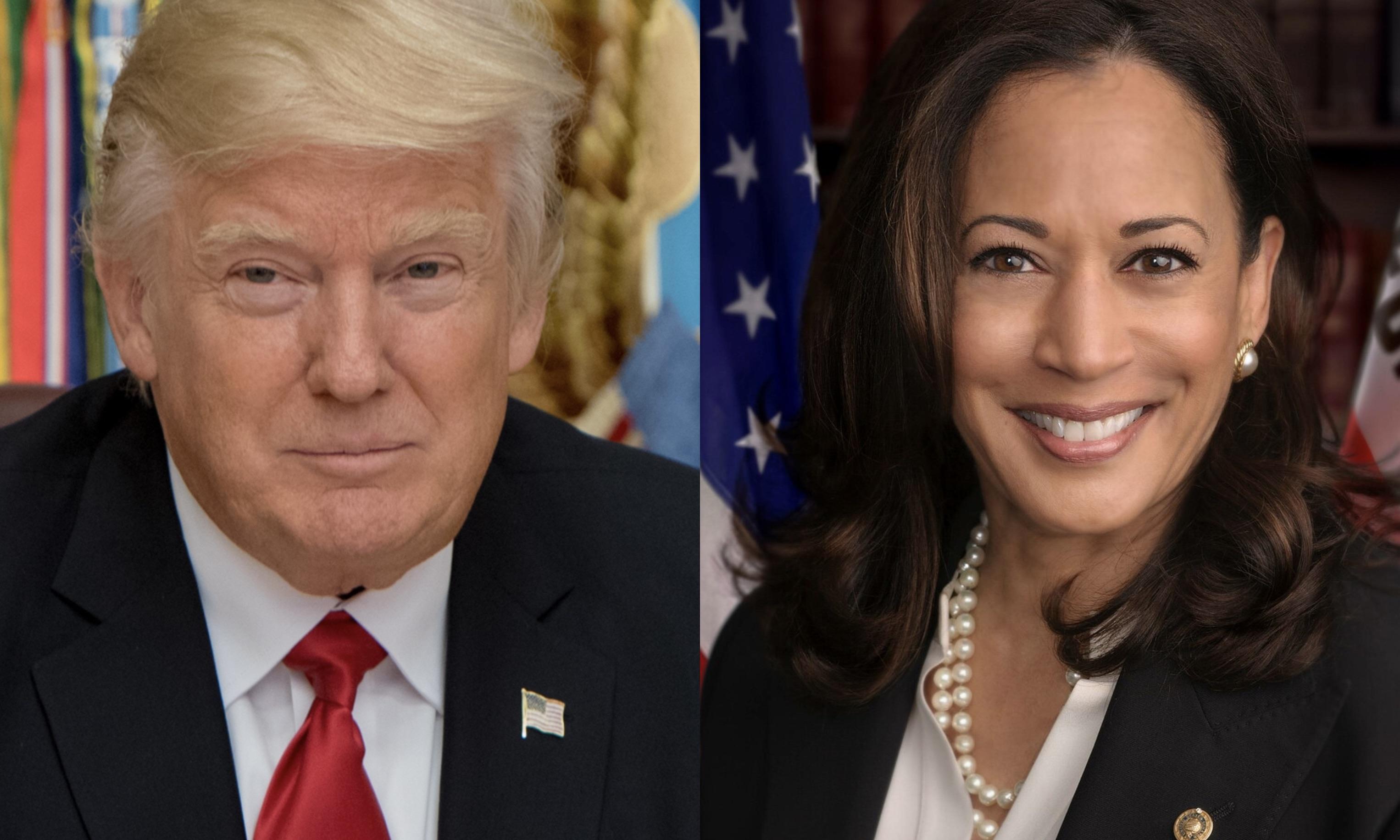
With the 2024 presidential election fast approaching, a new poll of key swing states reveals a competitive race between Vice President Kamala Harris and former President Donald Trump. The survey, conducted by Focaldata, shows Harris holding slim leads in several battleground states, while Trump maintains strong support in others, underscoring the high stakes for both campaigns as they navigate the final months before Election Day.
According to the poll, Harris is leading by narrow margins in crucial states like Arizona, Georgia, Nevada, Michigan, Pennsylvania, and Wisconsin. The margins are small, with Harris ahead by just 1 point in Arizona, Georgia, and Michigan, 2 points in Pennsylvania, and a more significant 6 points in Wisconsin. These leads, however, are far from secure, as the tight margins reflect the deep divisions among voters in these pivotal states.
Conversely, Trump is showing strength in states like Ohio and North Carolina, where the poll indicates he holds a 7-point lead in Ohio and a 6-point lead in North Carolina. These states have traditionally been Republican strongholds, and Trump’s advantage in these areas suggests that his base remains deeply loyal. Ohio, in particular, has been a key state for Republicans in recent elections, and Trump’s continued dominance there will be critical to his overall campaign strategy.
The swing states polled are expected to play a decisive role in determining the outcome of the 2024 election. These states, often split between Democratic and Republican voters, are the primary focus of both campaigns as they work to win over undecided voters and secure critical electoral votes. The razor-thin margins in many of these states indicate that the race remains highly fluid, with both candidates needing to intensify their efforts to sway key voting blocs in the coming weeks.
Harris, who is leading the Democratic ticket amid President Joe Biden’s declining approval ratings, has focused her campaign on issues like healthcare, climate change, and reproductive rights, particularly in states like Michigan and Pennsylvania, which are home to large urban and suburban populations. Her strategy is aimed at maintaining the Democratic gains made in 2020 while also appealing to moderate and independent voters who could tip the balance in close races.
Trump, meanwhile, continues to emphasize issues such as the economy, inflation, and immigration, themes that have resonated with his base in states like Ohio and North Carolina. His campaign is betting on a strong turnout from working-class voters, especially in rural and suburban areas, to counter Harris’s appeal in more urbanized regions.
While the poll results offer insight into the current state of the race, they also highlight the uncertainty of the 2024 election. With margins so tight in many key states, voter turnout, campaign strategies, and late-breaking developments could significantly shift the electoral landscape in the final weeks leading up to Election Day.
Disclaimer: EconoTimes cannot independently verify the accuracy of the Focaldata poll results or predict the final outcome of the 2024 general election.
As the 2024 election season enters its final stretch, both Harris and Trump are expected to intensify their campaigns, with frequent visits to the swing states that will ultimately decide the race. The poll results underscore the importance of these battlegrounds, where even a slight shift in voter sentiment could determine the next president of the United States.







