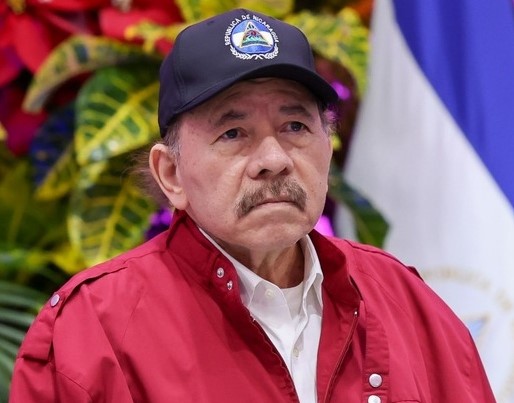
Nicaragua’s Congress approved a controversial constitutional reform on Tuesday that would bar opposition parties from participating in elections and extend presidential terms from six to seven years, deepening concerns over democratic governance in the Central American country.
The measure, supported by co-presidents Daniel Ortega and Rosario Murillo, passed its first vote in the National Assembly. Murillo said the constitutional amendment will face a second vote beginning January 18. Under Nicaraguan law, constitutional reforms must be approved during two separate legislative sessions before taking effect.
Beyond extending the presidential term, the reform would increase the mandates of other elected officials and the heads of Nicaragua’s military and police from six to seven years.
The vote follows comments from Ortega on July 19 declaring that “there won’t be any more elections” in Nicaragua, arguing that elections could allow the opposition to regain control of the government.
His remarks drew criticism from several Central American governments as well as Bolivia, Brazil and Chile, which viewed the announcement as another setback for democracy. The United States called on the international community to isolate Ortega’s government, while Panama withdrew its ambassador from Managua.
The latest amendment builds on sweeping political changes approved in 2024. Those reforms increased the presidential term from five to six years and elevated Murillo, previously Nicaragua’s vice president, to co-president. The government also postponed presidential elections originally expected at the end of 2026 until late 2027.
Ortega began his fourth consecutive term in January 2022 following a disputed November 2021 election. The former leftist guerrilla, who is approaching his 81st birthday, played a major role in overthrowing the Somoza dynasty in the late 1970s. After nearly two decades of continuous rule, he is the longest-serving leader in the Americas.
Nicaragua has faced a prolonged political crisis since April 2018, when authorities cracked down on widespread anti-government demonstrations. More than 300 people were killed and thousands were injured during the unrest, which also contributed to a large-scale exodus of Nicaraguans from the country.