Nigeria’s state governments raised real revenues by about 93% from 2023 to 2025 and directed a larger budget share to capital projects, while education’s share declined, the World Bank said.
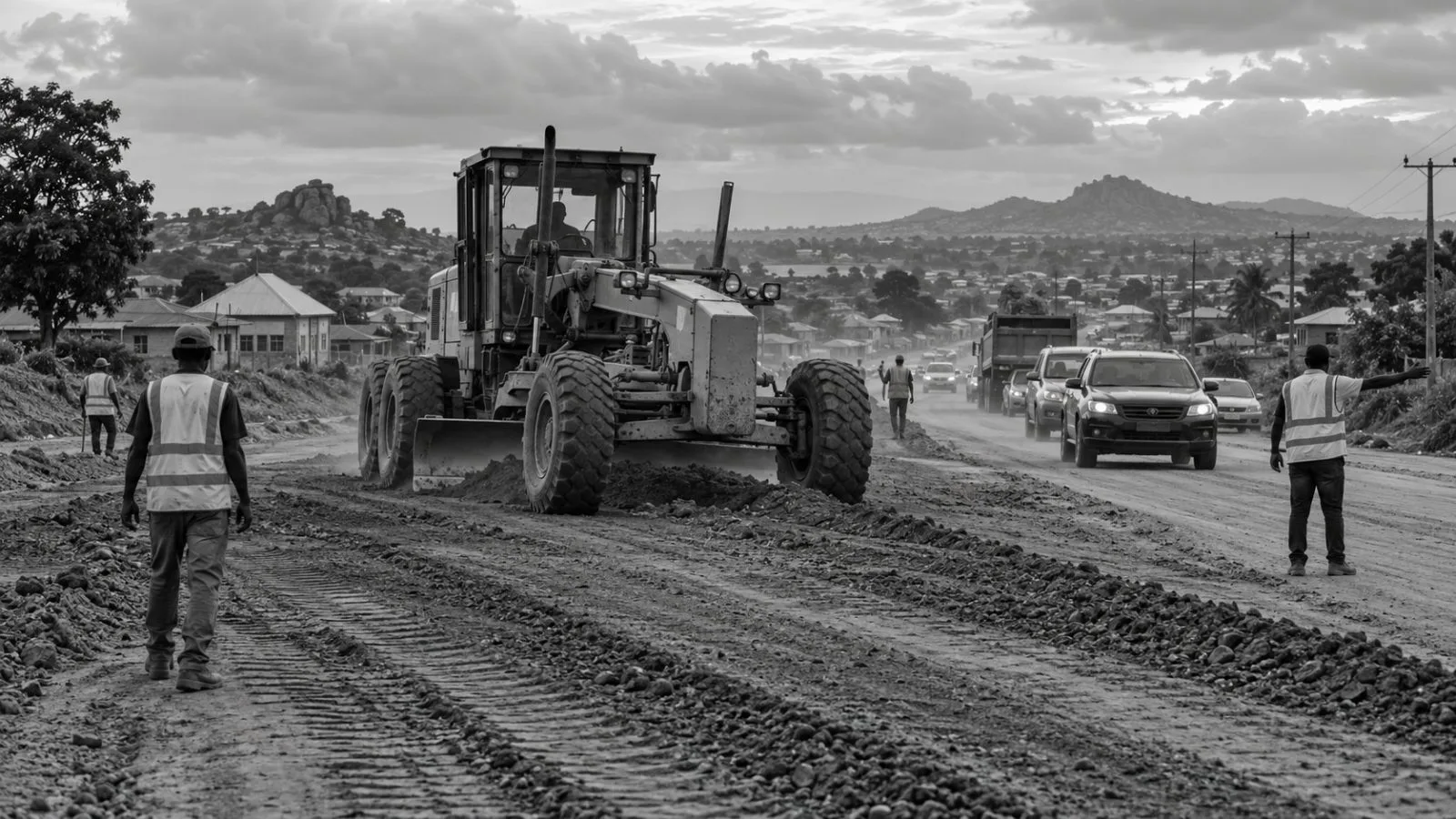
After adjusting to 2019 prices, combined state revenue was about 93% higher in 2025 than in 2023, while expenditure increased about 92%. Capital outlays accounted for 61% of state spending in 2025. Transport saw the largest increase, and spending on housing and agriculture also grew.
The revenue measure covers more than Federation Account transfers. It includes value-added tax collections, federal refunds and settlements, intervention funds and revenue raised by the states themselves.
Gross federation revenues rose 69% in real terms over the same period. The World Bank said the gain largely reflected exchange-rate reforms, the end of petrol subsidies and stronger revenue administration.
Education’s portion of state expenditure dropped from 14.9% in 2021 to 12.1% in 2025. Health remained near 7%, while social protection’s share increased from 1.4% to 4.4%. The Bank said real spending in those areas rose more slowly than outlays on economic infrastructure.
At the 32nd Nigerian Economic Summit on Monday and Tuesday, Oct. 26-27, Nasarawa Gov. Abdullahi Sule said higher allocations had helped fund roads, hospitals, primary health-care centers, pension payments and workers’ welfare, BusinessDay reported. The outlet also reported Sule’s account that local councils set aside some allocations for water, solar power and health projects.
An Aug. 9 State House release quoted Sule as saying Nasarawa’s monthly Federation Account allocation had increased from about ₦4.5 billion before the reforms to approximately ₦16 billion. The release said he linked the additional resources to road, education, health and water projects.
Mathew Verghis, the World Bank’s country director for Nigeria, said “strengthening spending efficiency, accountability, and service delivery” would be essential to ensuring public resources improve Nigerians’ lives.