


 Container Ship Sinks in Strait of Hormuz as Iran Attacks Escalate
  S&P 500 Futures Rise Ahead of US Inflation Data and Bank Earnings
  Trezor Cuts Reseller Network After Ledger Security Breach
  Tesla Holds $960 Million in Bitcoin as BTC Gains Top $710 Million
  Locked up then locked out: how NZ’s bank rules make life for ex-prisoners even harder
  ASML Raises 2026 Sales Forecast as AI Chip Demand Surges
  ASX CEO Pushes for Faster T+1 Trade Settlement in Australia
  Office design isn’t keeping up with post-COVID work styles - here’s what workers really want
  RBA Signals More Rate Hikes as Inflation Risks Rise
  Asian Stocks Fall as Oil Prices Rise Ahead of US CPI Data
  Gold Prices Mixed Ahead of US Inflation Data and Fed Rate Outlook
  Trump Defends Russian Diesel Deal Amid US Sanctions Backlash
  Wall Street Falls as Hot US Inflation Fuels Fed Rate Hike Bets
  Oil Prices Mixed as Russia Diesel Deal and Houthi Attacks Raise Supply Concerns
  SpaceX Starlink Restrictions Disrupt Ukraine Military Operations
  Samsung, SK Hynix Shares Plunge as China Chip Competition Grows


 Add as a preferred source on Google
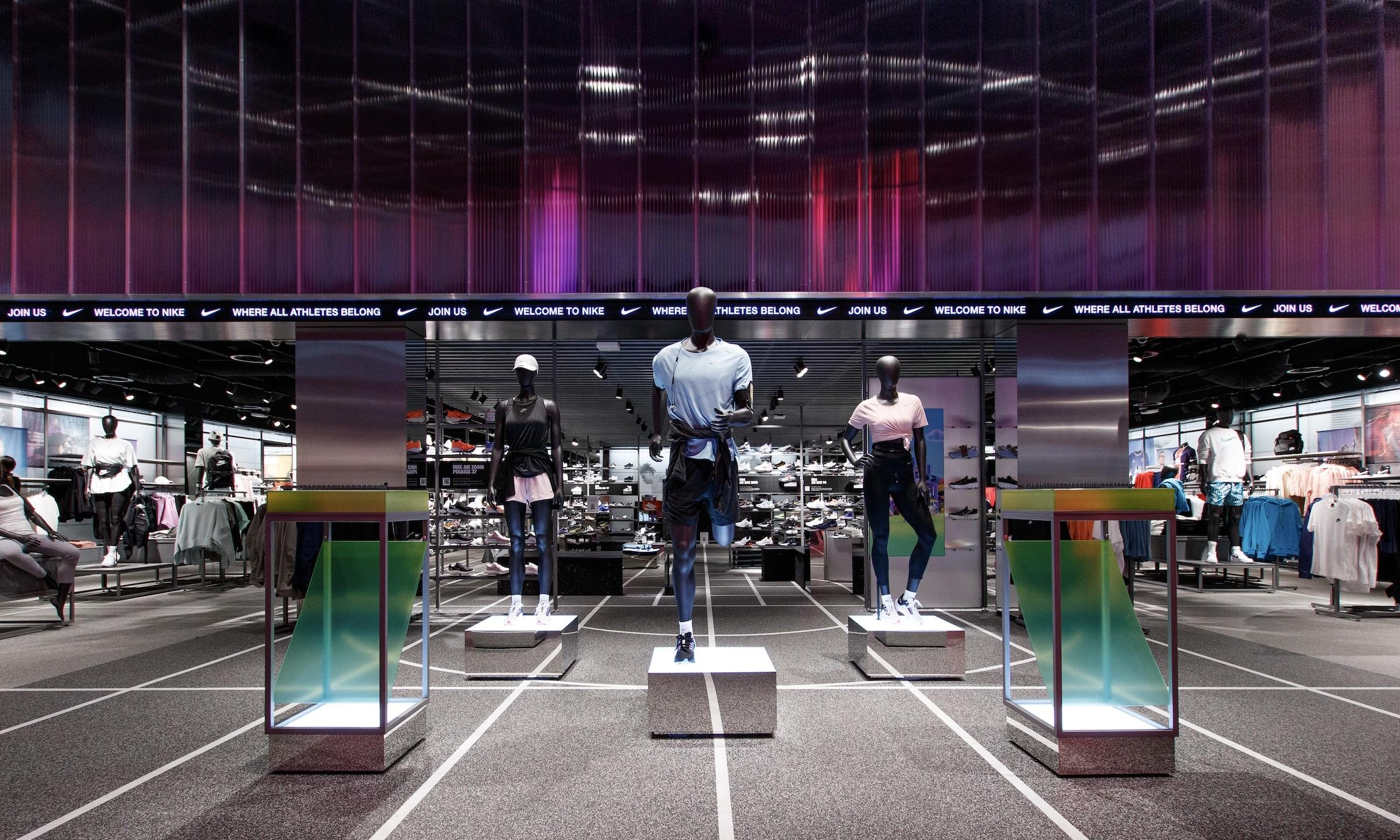
Nike's decision to indefinitely close its Portland factory store amid theft and safety concerns has rocked the community. Having been temporarily closed since last November, the move marks a significant economic setback for the area. Nike remains committed to Portland, seeking ways to support and revitalize the neighborhood.
The Soul District Business Association (SBDA), representing the local business community, confirmed Nike's decision in a phone conversation with the organization's leaders. The SBDA described the closure as a significant blow to the neighborhood's economy, further adding to the collective disappointment.
The news left many in the district in disbelief. Since November of last year, when the store quietly closed its doors, the community had been grappling with anticipation, hoping for a resolution from Nike, city officials, and community leaders. Sadly, it appears that this battle has come to an end.
Addressing the development, John Washington, the SDBA's executive director, stated, "We had been holding our breath, but it looks like it's game over." The closure highlights the ongoing challenges businesses face after the pandemic and protests. The community's resilience was tested, but hopes for a triumphant outcome have faded.
Responding to inquiries, Nike expressed deep concern for Portland's North and Northeast communities. The company emphasized its enduring commitment to the area and its nearly four-decade-long presence.
Nike has driven community change through volunteerism, investments, and partnerships with non-profit organizations that benefit the neighborhood. As the brand looks ahead, it aims to reimagine its retail space and contribute to the long-term revitalization plans of the community.
The location's closure at 2650 NE Martin Luther King Jr. Boulevard marks the beginning of a new, exciting chapter for Nike. The company pledges to engage local community organizations and leaders in determining the most suitable new location.
Earlier reports revealed that Nike had considered bolstering security measures at the store by offering to pay for off-duty police officers. However, this proposal did not materialize due to concerns surrounding officer staffing shortages in a city that recently made headlines for reallocating funds from its police force.
Photo: Craig Lovelidge/Unsplash







