


 U.S. Eases Iran Team Travel Restrictions Ahead of Seattle World Cup Match
  Nvidia’s China AI Chip Market Share Falls to 34% as Huawei Gains Ground
  Asian Currencies Steady as Dollar Nears 18-Month High Ahead of US CPI
  Coinbase CEO Backs SEC Accredited Investor Reform
  US Dollar Rises for Fourth Week as Fed Rate Hike Bets Grow
  Milei Pushes for Formula 1 Return to Argentina
  JD Vance to Lead U.S. Presidential Delegation at Milano Cortina Winter Olympics Opening Ceremony
  Trump Signs Executive Order Targeting Big-Money College Athlete Payouts
  PepsiCo Slashes Poppi Earnout Valuation as Growth Slows
  Philippines Current Account Deficit Seen at $19.1 Billion in 2026
  Gold Prices Rise Above $4,200 as Russia-Ukraine Energy Truce Eases Oil Concerns
  RBA Signals More Rate Hikes as Inflation Risks Rise
  Oil Prices Rise as Houthi Attacks Threaten Middle East Supply
  Trump Draws Cheers at Ryder Cup as U.S. Trails Europe After Opening Day
  US Reviewing Visa Denial for Venezuelan Little League Team Barred from World Series
  US Seizes Nearly 400 Illegal World Cup Streaming Domains in Global Anti-Piracy Crackdown
  Binance to Shut Down Crypto Mining Pool Services on November 10


 Add as a preferred source on Google
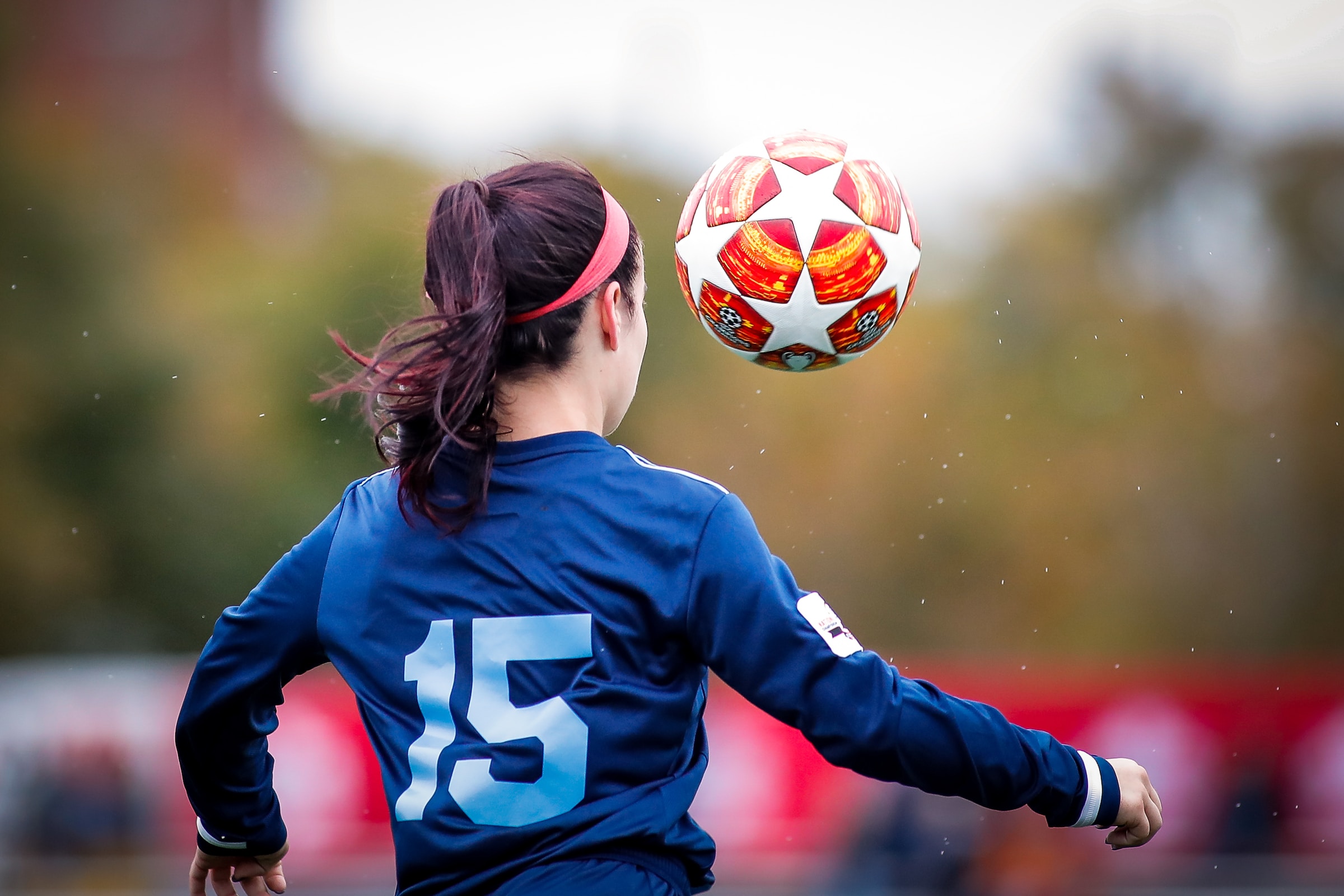
The Women's World Cup unveils surprising outcomes as the US departs early, pushing leading brands like Adidas and Nike to adapt to shifting consumer trends. As empowerment themes dominate, anticipation swells for the historic event.
Anticipation is building for the upcoming tournament in Australia and New Zealand, which is set to become one of the most popular standalone women's sporting events. FIFA is projecting a staggering two billion viewers, despite the time zone differences that pose a challenge for European and American audiences.
Big names such as Adidas, Nike, DICK'S Sporting Goods, and Fanatics have made substantial investments in merchandise. GlobalData says the total sponsorship value has climbed to at least $349 million, reflecting an increase from $342 million in 2019. Many brands are aligning themselves with themes of women's empowerment, a crucial focus in today's society.
DICK'S, for instance, offers more than 76 discounted clothing and products tied to the 2023 US Women's National Team, including jerseys, tee-shirts, and hoodies. Nike's marketing campaign leading up to the Women's World Cup features a passionate football fan highlighting the competition's ever-growing quality, with appearances from renowned players like Megan Rapinoe, Alex Morgan, Grace Geyoro, and Asisat Oshoala.
Moreover, Nike has also unveiled a collaboration with designer Martine Rose, exclusively worn by the United States Women's National Team during their first match. Stats collected by Centric Pricing and Refinitiv show that only 8% of Nike's women's team products have sold out thus far during the tournament, a decrease from 13% in the previous edition.
On the other hand, Adidas sponsors teams like Sweden and Spain, who will head-to-head in the semifinals on Tuesday. Evidencing the growing interest, 21% of women's team products from Adidas have already sold out this year, up from 8% in 2019. Despite the German women's team's untimely exit, Adidas managed to double the production of their jerseys compared to the previous World Cup, and they were on the verge of selling out.
The excitement continues to envelop the Women's World Cup, with marketers swiftly adapting to cater to the dynamic preferences of viewers worldwide. As the tournament progresses, brands like Adidas and Nike are pioneering, ensuring they remain at the forefront of this historic sporting event.
Photo: Andy Macfarlane/Unsplash







