


 Oil Prices Fall as Russia Signals Higher Diesel Exports
  Binance to Shut Down Crypto Mining Pool Services on November 10
  Wall Street Ends Mixed as Investors Await CPI and Bank Earnings
  Samsung, SK Hynix Shares Fall as China's CXMT Advances DRAM Technology
  US Dollar Near 18-Month High Ahead of Inflation Data
  Fed's Hammack Urges Faster Rate Hikes to Fight Inflation
  Bank of America Predicts Yen Rebound as USD/JPY Faces Risks
  Albertsons Seeks $9.3 Billion From Kroger Over Failed Merger
  European Auto Stocks Rise as EU-China Trade Deal Targets Hybrid Imports
  Meta Launches Muse Wonder AI Models, Shares Rise 3.7%
  Elon Musk Donates $366 Million to 2026 US Midterms
  Philippines Current Account Deficit Seen at $19.1 Billion in 2026
  US Stock Futures Rise as Oil Prices Fall Ahead of Q3 Earnings
  Bumble Shares Surge 50% on $1 Billion Buyout Talks
  Oil Prices Fall as Trump Ceasefire Claim Shifts Market Focus to U.S. CPI
  Coinbase CEO Backs SEC Accredited Investor Reform
  IMF Maintains 2027 Global Growth Forecast at 3.4% Amid Rising Risks


 Add as a preferred source on Google
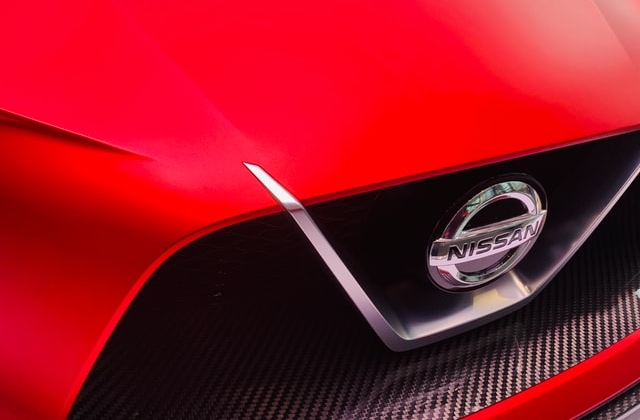
Nissan Motor Company, Ltd., the Japanese automaker headquartered in Nishi-Ku, Yokohama, Japan, was forced to close down its plant in Smyrna, Tennessee, as there is not enough supply of semiconductor parts.
The chip shortage at the said Nissan plant caused a 2-week closure that already started on Monday. The 6 million-square-foot factory in Tennessee has 6,700 employees, and apparently, they will be affected by the halt of production.
According to Fox Business, this will be the longest shutdown among the vehicle manufacturing factories in the United States. Nissan cited the COVID-19 outbreak in Malaysia as the cause of the chip shortage it is experiencing now.
A semiconductor plant in Malaysia that supplies computer chips to the company was plagued with coronavirus infections of its workers; thus, it had to close as well. It was reported that production is expected to resume on Aug. 30.
Sam Abuelsamid, an analyst at Guidehouse Research, said that the latest shutdown of the massive Nissan factory just shows that the chip shortage is not ending soon. Many tech and auto companies have hoped the semiconductor supply will return to normal before this year ends, but it seems that this is not the case at all. "It’s looking like it’s going to stretch at least into the new year," he said.
The affected vehicles in the most recent production halt at Nissan are the Rogue SUV and six other models, including the pickup trucks. The small SUV is said to be the company’s top-selling vehicle model in the U.S.
The Detroit News reported that the chip shortage was starting to get better, however, the Delta COVID-19 variant struck, and it is causing problems again. This new variant is worse, so the business may slow down again instead of starting to pick up.
Phil Amsrud, IHS Markit’s senior principal analyst, studies the chip market and said that the chip shortage leading to factory closures may drive prices to increase. In any case, he added that the growing demand has also played a part in chip shortage since more vehicles are being made. Then again, despite the situation, hopes for the end of chip shortage are still high among business owners.







