


 Oil Prices Rise as Hormuz Risks Offset IEA Stock Release
  DWF Labs Sues BitGo for $114 Million Over Alleged Token Sales Breach
  MSTR Stock Rises as Barclays Raises Price Target to $175
  Jameson Lopp Downplays AI Threat to Bitcoin Cryptography
  Anthropic Launches Claude Dashboards and Motion AI Tools
  TSMC Q3 Revenue Beats Estimates as AI Chip Demand Surges
  US Treasury Yields Ease After Strong 10-Year Auction as Global Bonds Struggle
  Zcash Privacy Demand Rises as AI Exposes Bitcoin Transactions
  Zcash Plans Quantum-Resistant Security Upgrade for January
  Tencent Shares Fall as $5 Billion AI Bond Sale Weighed
  XRP Ledger Activates New Security Feature for Banks and Stablecoins
  Apple Supplier Luxshare Sees Limited Impact From US Patent Probe
  US, EU Push for Action Against Asia’s Excess Factory Capacity
  Mike Rogers Calls for End to US-Canada Tariff War
  Oil Prices Slip as Trump Rules Out Iran Strike Before Midterms
  Gold Prices Fall as Fed Signals Another Rate Hike
  Apple Cuts iPhone 18 Pro Production Orders Amid Weak Demand


 Add as a preferred source on Google
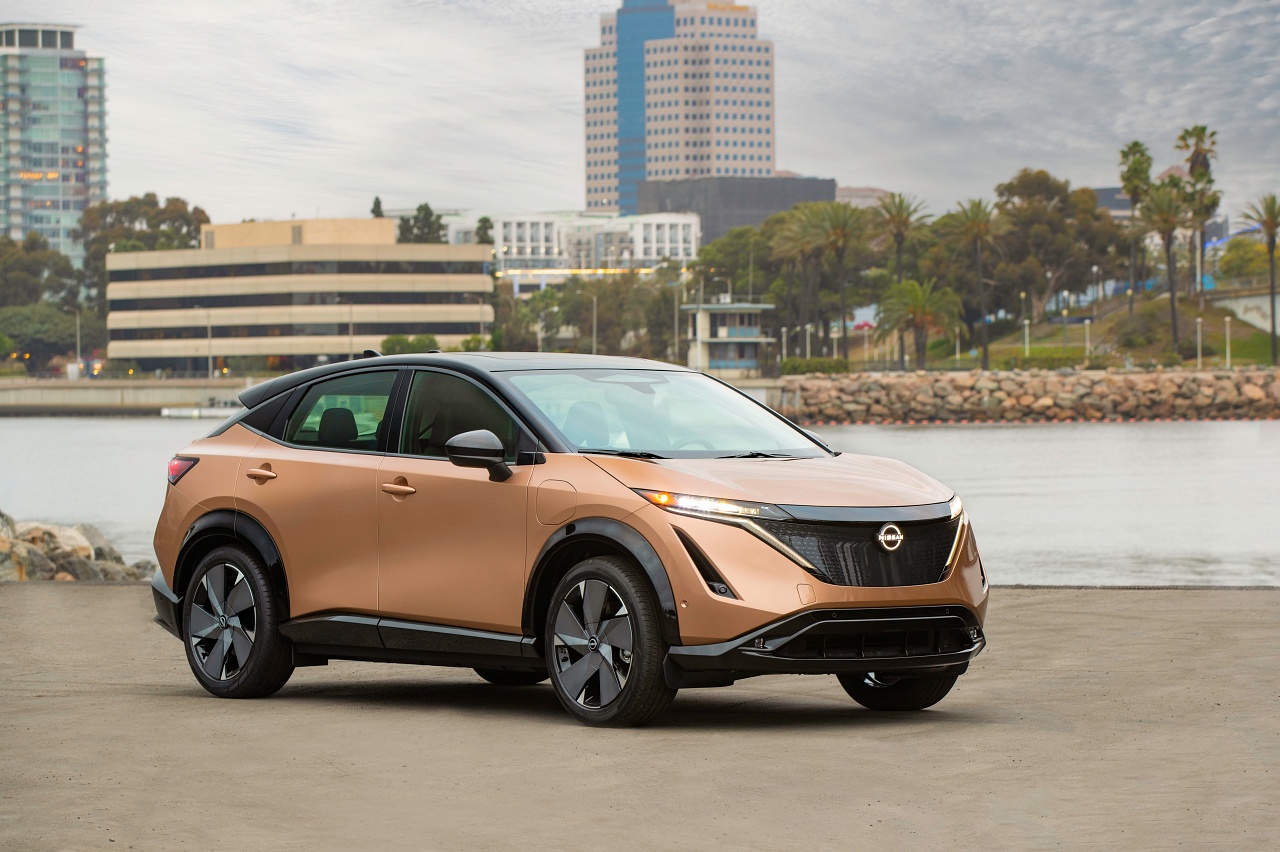
In a milestone for EV technology, Nissan Motor Co. Ltd. becomes the first Japanese automaker to adopt Tesla's North American Charging Standard (NACS). From 2025, Nissan's electric vehicles in the U.S. and Canada will utilize Tesla's extensive Supercharger network, a move aimed at propelling EV adoption.
Likewise, it is the first Asian automaker to support Tesla's charging connector for the North American market. Nissan Motor confirmed this week that it has decided to adopt Tesla's EV charging standard in the United States and Canada starting in 2025. This will make charging via Tesla's Supercharger stations easier and more convenient for drivers since this charging network covers many locations.
With this move, the carmaker joined other companies to expand their fast-charger network to accelerate EV adoption. According to Reuters, the Yokohama-headquartered firm will install Tesla's NACS port in its electric vehicle models to fully electrify 40% of its U.S. vehicle sales by 2030.
Before Nissan Motor announced its Tesla charger adoption, Rivian, General Motors, and Ford Motor had already accepted the mentioned charging standard. While Nissan will only start offering EVs with NACS port in two years, it will already provide charging adapters with its Ariya EV models next year.
"Adopting the NACS standard underlines Nissan's commitment to making electric mobility even more accessible as we follow our Ambition 2030 long-term vision of greater electrification," Nissan Motor Americas chairman, Jérémie Papin, said in a press release. "We are happy to provide access to thousands more fast chargers for Nissan EV drivers, adding confidence and convenience when planning long-distance journeys."
Nissan Motor's ultimate goal is to produce more fully electric vehicles within the next seven years. It plans to release two new all-electric models that will be assembled at its production facility in Canton, Mississippi. The company will post more details about the launch of its NACS compatibility later.
Photo by: Nissan Press Release







