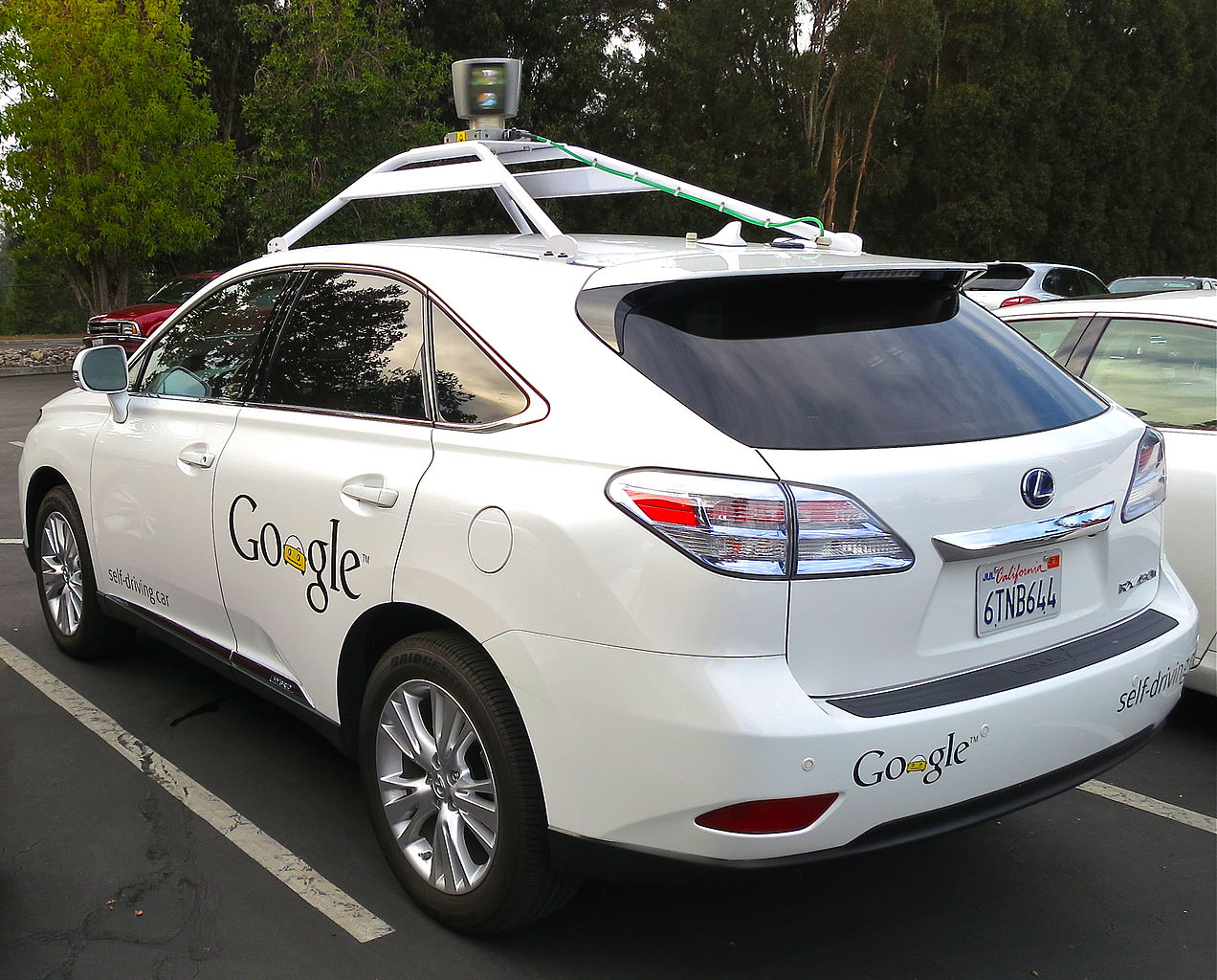
Self-driving cars are a hot topic these days, with most experts agreeing that fully autonomous vehicles would be much safer than vehicles with human drivers. That’s why Google’s driverless car division Waymo is finally getting rid of peripherals for human input since its test drivers are showing alarming negligence anyway.
As if more proof that human drivers are a danger to themselves and others on the road is needed, it turns out that Google’s own test drivers were being negligent while inside the company’s autonomous cars, Reuters reports. How negligent? Try napping or putting on makeup while the vehicle is running at speeds of up to 54mph.
Suffice it to say, such behavior makes the testers less than capable of reacting appropriately when the human input becomes necessary. In fact, it would have been more dangerous for the drivers to react without any kind of awareness. As Waymo head John Krafcik put it, the results of the tests were alarming.
“What we found was pretty scary,” Krafcik said. “It’s hard to take over because they have lost contextual awareness.”
As such, Google decided that it would be much better to take the human out of the equation completely. As Futurism notes, Waymo’s vehicles now only offer two button inputs for drivers. One is to start the car and the other is to have the car parked when possible.
This is the next step towards creating a Level 5 self-driving vehicle, which is when there is absolutely no need for a human to be inside the car. Ultimately, that’s what companies like Waymo are striving for and Krafcik even admitted that he envisions a future where people can call for a cab and an empty car comes rolling out to pick passengers up. They are now much closer to achieving that goal.