


 JD Vance Questions Pentagon Plan to Livestream Fort Hood Shooter’s Execution
  Trump Announces Russia-Ukraine Energy Ceasefire Amid U.S. Pressure on Kyiv
  Zelenskiy Slams US-Russia Diesel Deal as Funding War
  US Judge Blocks Trump Administration’s Taxpayer-Funded Political Ads
  North Korea Fires Ballistic Missiles as Tensions With South Korea Escalate
  Houthis Warn Saudi Airports After Deadly Riyadh Attack
  Trump Calls for Zelenskyy Replacement Amid Russian Diesel Deal
  RFK Jr. Launches Nationwide Vaccine Safety Review
  Djibouti Migrant Boat Capsizes, Killing 139 and Leaving 84 Missing
  Trump Cancels Alabama Football Trip as Hurricane Isaias Approaches
  Venezuela’s Machado Calls for Elections by July 2027
  Flydubai Co-Pilot Planned Suicide Attack on Israel Airport, UAE Says
  Flavio Bolsonaro Leads Lula 49%-45% in Brazil Runoff Poll
  Yandex Data Center Hit by Drone Strike as Russia-Ukraine Cyber Infrastructure Attacks Escalate
  Mahmoud Abbas Postpones Palestinian Elections to September 2027
  Trump Sanctions International Criminal Court, Sparking EU Backlash
  US Charges Maduro and Wife With Torture Conspiracy


 Add as a preferred source on Google
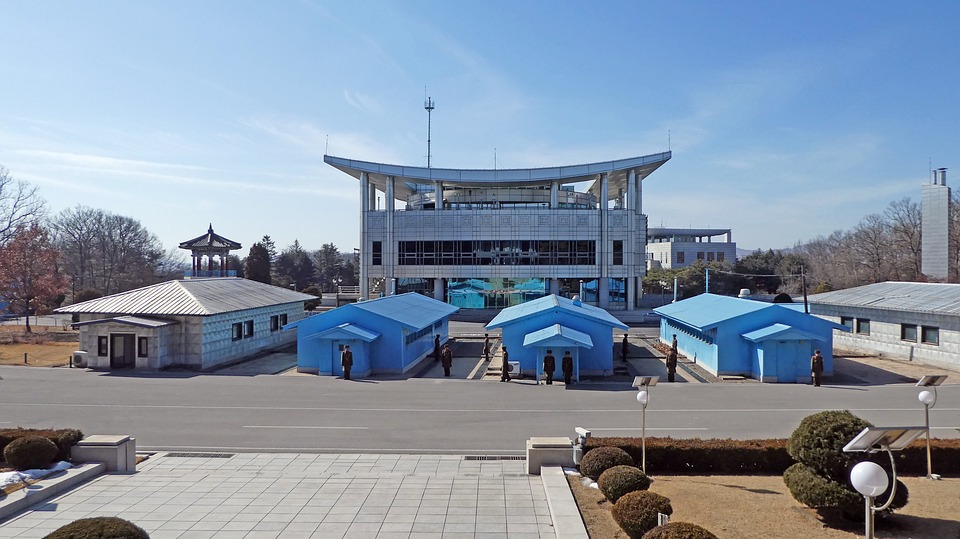
US House Speaker Nancy Pelosi pledged her support to North Korea’s denuclearization this week as she continued her tour of Asia. The pledge comes amidst tensions in the Korean peninsula.
Pelosi visited South Korea and met with her South Korean counterpart, National Assembly Speaker Kim Jin-pyo. Pelosi and Kim issued a joint statement following the meeting, pledging to support deterrence against North Korea and its denuclearization.
“We agreed to support the efforts of the two governments to achieve practical denuclearization and peace through international cooperation and diplomatic dialogue based on the strong and extended deterrence against the North,” said the statement.
During a news conference, Pelosi also said that she and Kim discussed ways to boost cooperation between the two countries in terms of regional security, economic, and climate issues.
Pelosi arrived in South Korea Wednesday following her visit to Taiwan, which drew the ire of China and led to increased military activity in the area.
While President Yoon Suk-yeol did not meet with Pelosi during her visit, the two spoke to each other on the phone where Yoon promised close cooperation between South Korea and the US, according to South Korean deputy national security adviser Kim Tae-pyo.
In a separate statement released by the South Korean presidential office, Yoon also said in his call with Pelosi that he hopes to meet with her when he travels to Washington. This comes amidst speculation that Yoon did not meet with Pelosi in person to avoid further antagonizing China.
However, senior presidential secretary of public affairs Choi Young-bum told reporters that decisions are made “in consideration of our national interest” and that there was no change in prioritizing the South Korea-US alliance.
North Korea warned that it will not tolerate the US’ criticism of its nuclear program, describing Washington as the “kingpin of nuclear proliferation.”
North Korea’s mission to the United Nations issued a statement Wednesday around the time diplomats gathered in New York for the UN conference to review the Treaty on the Non-Proliferation of Nuclear Weapons or NPT.
“It is the peak of busy blaming that the United States alleges somebody’s nuclear threats given the fact that it is the kingpin of nuclear proliferation,” Pyongyang said in the statement, adding that it withdrew from the proliferation treaty a long time ago. Therefore no one has the right to encroach on the country’s right to defend itself.







