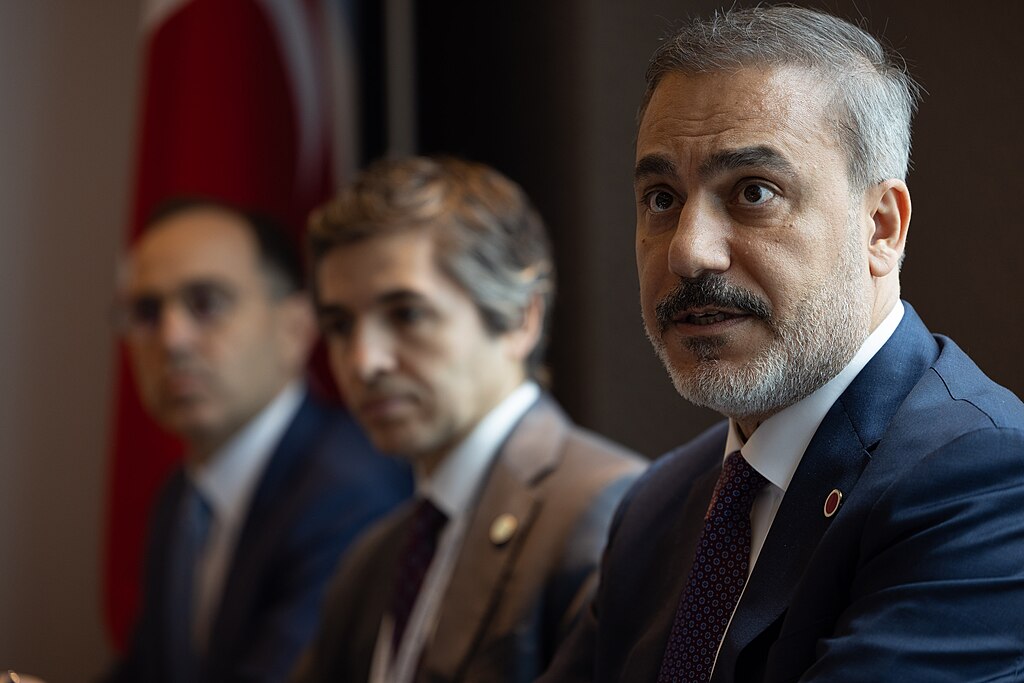
U.S. Secretary of State Marco Rubio reaffirmed Washington’s strong support for Turkey following a missile threat linked to Iran, according to a statement from the U.S. State Department. Rubio spoke with Turkish Foreign Minister Hakan Fidan on Wednesday after Turkish air defenses intercepted a ballistic missile that had entered or was headed toward Turkish airspace.
The conversation highlighted growing regional tensions and the importance of NATO cooperation in maintaining security. Turkish officials confirmed that NATO air defense systems successfully destroyed the Iranian ballistic missile before it could cause damage. The interception demonstrated the effectiveness of Turkey’s air defense capabilities and the alliance’s coordinated response to potential threats.
During the call, Rubio strongly condemned the incident and emphasized that any attack targeting Turkey’s sovereign territory is unacceptable. He assured Fidan that the United States stands firmly with its NATO ally and remains committed to supporting Turkey’s security and territorial integrity.
The U.S. State Department said Rubio pledged “full support” from Washington, underscoring the strategic partnership between the two countries. The statement also reaffirmed the United States’ dedication to regional stability and collective defense within the NATO alliance.
Turkey’s role as a key NATO member places it at the center of regional security dynamics, particularly as tensions involving Iran continue to draw international attention. The missile interception not only prevented a potential escalation but also reinforced NATO’s defensive posture in the region.
Security experts say incidents like this highlight the importance of coordinated air defense systems and strong diplomatic communication between allies. The swift response from Turkey’s NATO-backed defenses illustrates how alliance cooperation can mitigate threats and protect national borders.
As geopolitical tensions persist in the Middle East and surrounding regions, the United States and Turkey continue to strengthen their security cooperation. Washington’s latest pledge of support signals a clear message of solidarity and commitment to defending NATO allies against external threats.