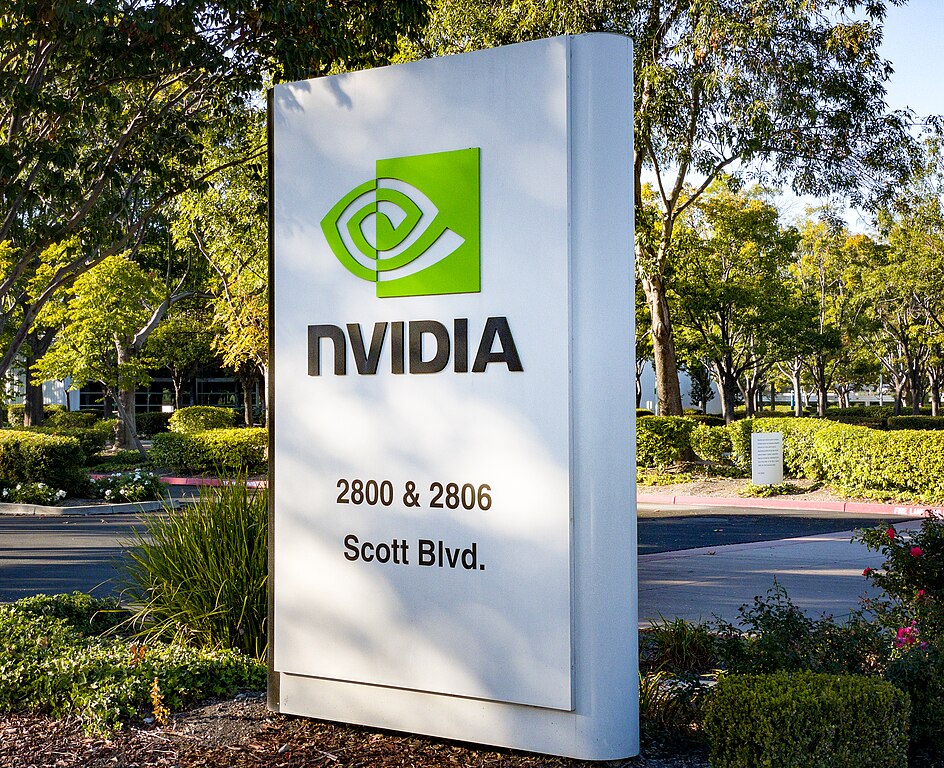
Nvidia Corporation (NASDAQ: NVDA) saw a 3% drop in its share price to $142.62 on Friday, following the launch of Chinese generative AI program DeepSeek. Despite the dip, Nvidia shares closed higher for the week.
DeepSeek, funded by Chinese quant firm High-Flyer, unveiled its R1 LLM as open-source and published research showcasing how advanced AI models can be developed on smaller budgets. The program reportedly accessed 50,000 Nvidia H100 GPUs—previous-generation AI hardware—to achieve competitive performance against bigger-budget rivals like OpenAI's ChatGPT and Meta's Llama.
This achievement has sparked debate about the necessity of substantial capital expenditures by tech giants such as Microsoft (NASDAQ: MSFT), Meta (NASDAQ: META), and Alphabet (NASDAQ: GOOGL), all of which are ramping up AI investments. Analysts anticipate further spending when these firms report earnings this week.
U.S. export controls on advanced chip technology and recent announcements of $500 billion in U.S. private AI infrastructure funding add context to DeepSeek's significance. Its ability to optimize performance with limited resources raises questions about whether leaner AI models could reduce reliance on costly hardware, impacting Nvidia's dominance in the AI chip market.
Yardeni Research highlighted potential benefits for tech firms adopting cheaper GPU solutions, which could lower capital expenses and boost profits. However, this could challenge Nvidia's growth trajectory, fueled by surging AI demand in recent years.
JPMorgan’s Joshua Meyers argued concerns about ballooning AI budgets are overstated, noting that DeepSeek’s cost efficiency likely stemmed from necessity due to limited access to U.S. chip technology. Meyers suggested reduced inference costs might drive greater adoption, offsetting any declines in chip demand.
DeepSeek’s milestone introduces a pivotal shift in the AI landscape, questioning traditional investment approaches while spotlighting innovation's global reach.