


 Apple Supplier Luxshare Sees Limited Impact From US Patent Probe
  Zcash Plans Quantum-Resistant Security Upgrade for January
  US Suspends Microsoft, Adobe From Green Card Program
  FAA Warns US Airlines Over Saudi Arabia Flight Risks
  Robinhood Chain Eyes Priority Gas Auctions for Faster Trades
  Bank of America Predicts Yen Rebound as USD/JPY Faces Risks
  TSMC Profit Set to Surge 65% as AI Chip Demand Drives Record Earnings
  Deutsche Bank CEO Urges Faster German Economic Reforms
  INWIT Shareholders Explore $7.1 Billion Take-Private Deal
  OpenAI Revenue Hits $50 Billion, Below Earlier $70 Billion Estimate
  DWF Labs Sues BitGo for $114 Million Over Alleged Token Sales Breach
  Apple Names Steve Smith M&A Chief in Leadership Shakeup
  Jameson Lopp Downplays AI Threat to Bitcoin Cryptography
  Orsted to Take Full Ownership of UK Offshore Wind Farm for £15 Million
  OpenAI Annualized Revenue Hits $50 Billion, Below Earlier Estimates
  Arthur Hayes Announces FLOP Testnet Launch Within Weeks
  Solidigm Taps Goldman, Morgan Stanley for $10 Billion US IPO


 Add as a preferred source on Google
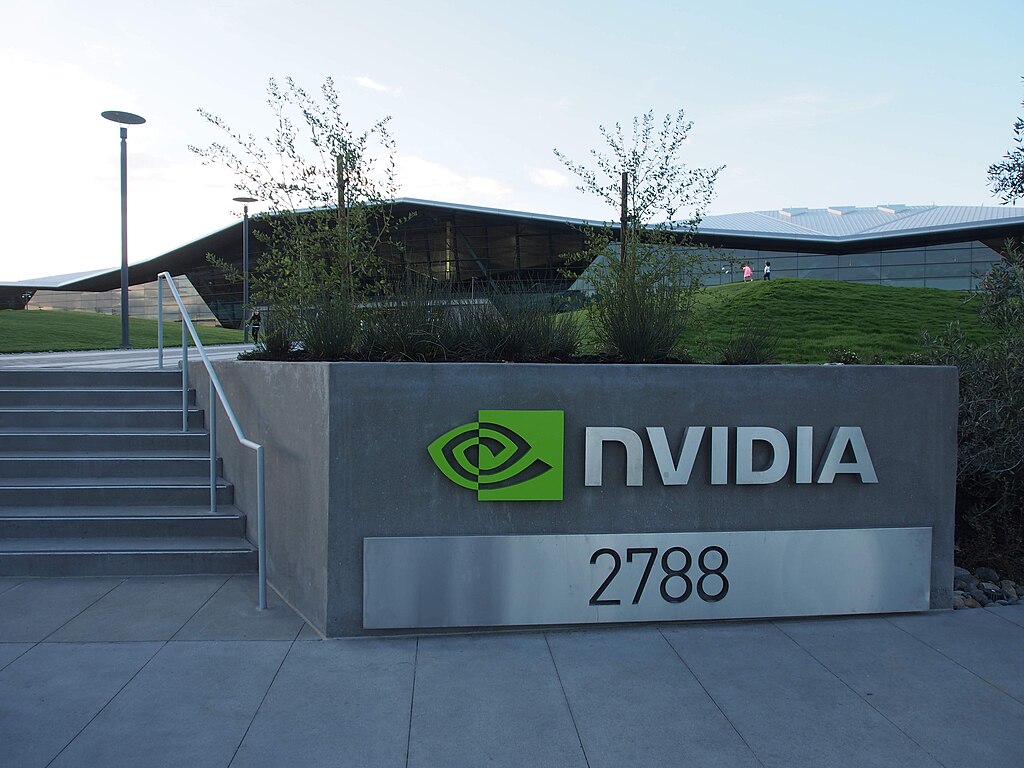
Nvidia has reportedly tightened its controls over AI chip sales in Asia by significantly reducing the number of customers authorized to purchase its advanced processors, according to a Financial Times report published Monday. The move is part of the company's broader effort to strengthen compliance measures and prevent its high-performance AI chips from being diverted to China.
The report said Nvidia has introduced a new "white list" of approved companies that have successfully passed enhanced compliance and due diligence checks. As a result, the number of eligible customers across Asia has reportedly been cut by more than half.
Citing three people familiar with the matter, the Financial Times said Nvidia has spent the past several months expanding its customer screening process in key regional markets, including Singapore, Malaysia, and Japan. The stricter verification process is designed to ensure that advanced AI chips are sold only to approved buyers and remain compliant with export control regulations.
The reported changes come as global governments, particularly the United States, continue to tighten restrictions on the export of advanced semiconductor technology amid concerns that cutting-edge AI hardware could be used to strengthen China's artificial intelligence and military capabilities.
Nvidia has been at the center of these export control efforts due to its dominance in the AI chip market, where demand for its graphics processing units (GPUs) continues to surge from cloud providers, technology companies, and enterprises developing generative AI applications.
The Financial Times report indicates that the chipmaker's enhanced compliance framework reflects growing scrutiny over international semiconductor shipments and the need for stronger safeguards across Asian supply chains.
Reuters said it could not immediately verify the report independently, and Nvidia has not publicly commented on the reported customer approval changes.







