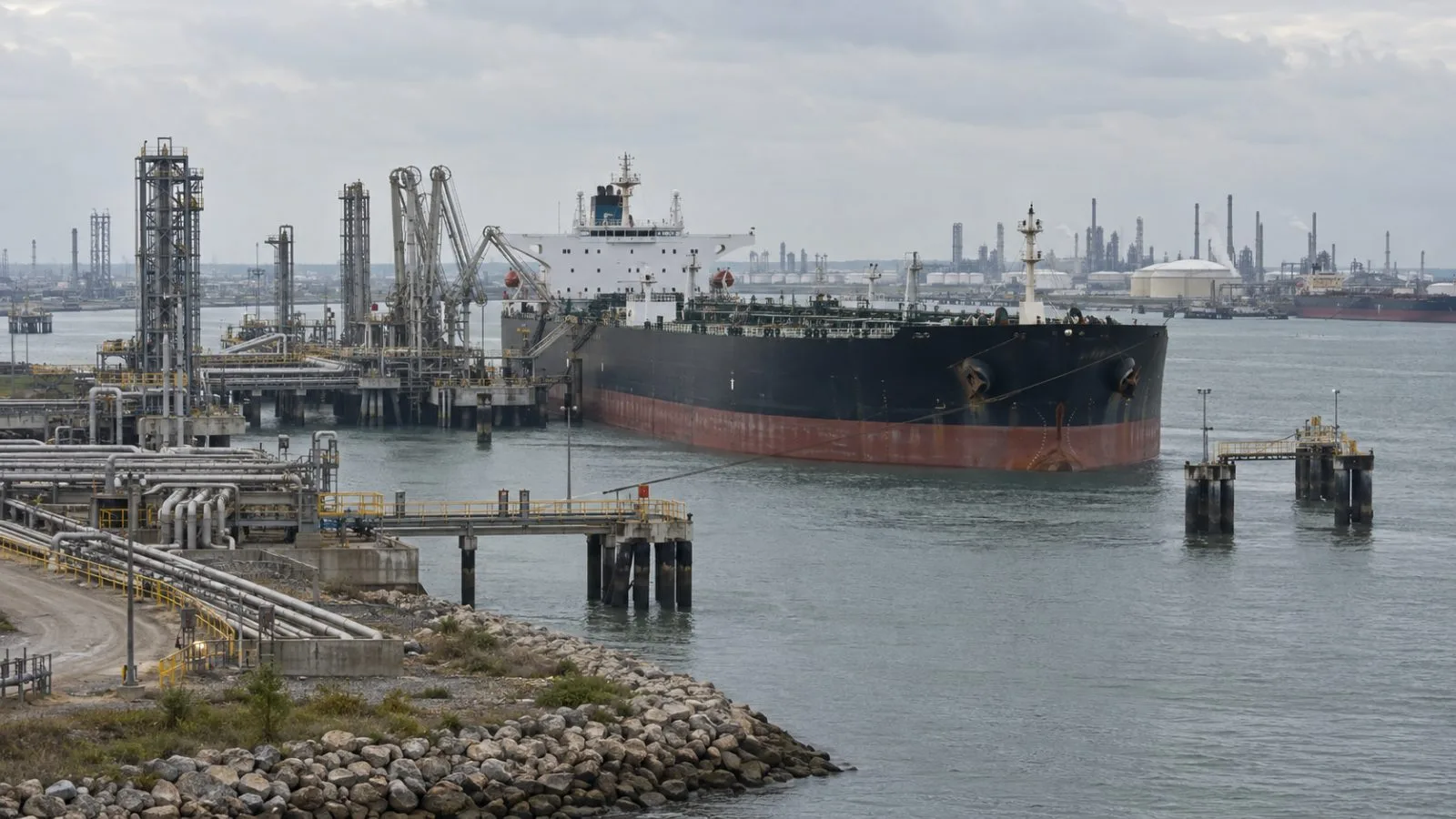
Oil prices recovered Thursday following their sharpest single-day decline since April 2020, as ongoing disruptions in the Strait of Hormuz and escalating Middle East tensions renewed fears over global crude supply.
By 20:12 ET, Brent crude futures for June delivery gained 2.5% to reach $97.10 per barrel, while West Texas Intermediate crude rose 2.8% to $97.09 per barrel. The gains partially offset a dramatic 13% plunge recorded in the prior session, which was triggered by optimism surrounding a U.S.-Iran ceasefire announcement.
Despite the truce, the Strait of Hormuz — a vital chokepoint responsible for transporting roughly one-fifth of the world's oil supply — remained significantly disrupted. While limited vessel movement resumed under tight controls, Iran continued to exert considerable influence over transit access, sustaining uncertainty across energy markets.
Sentiment deteriorated further as Israeli military strikes on Lebanon threatened to unravel the fragile ceasefire agreement. Reports indicated that tanker traffic through the strait was halted following the attacks, though U.S. officials pointed to early signs of a partial corridor reopening. Iran's government responded by calling further peace negotiations with the United States "unreasonable," citing the strikes as ceasefire violations.
Energy analysts warned that Wednesday's oil price selloff may have been an overreaction to the ceasefire news, noting that rebuilding damaged regional supply infrastructure could take several months.
Adding to market complexity, the U.S. Energy Information Administration reported that domestic crude stockpiles climbed by approximately 3.1 million barrels to 464.7 million barrels last week, defying forecasts for a modest inventory drawdown. Meanwhile, refined product supplies tightened, with distillate stocks falling roughly 3.1 million barrels and gasoline inventories declining by about 1.6 million barrels, signaling sustained consumer demand even amid broader supply uncertainties.