


 Brazil Court Suspends Sigma Lithium Mine Operations
  Sun Pharma Wins U.S. Appeal in Pfizer Lipitor Antitrust Case
  TikTok, DOJ Reach $400 Million Children’s Privacy Settlement
  Judge Rejects Minnesota Bid to Force ICE Agent Extradition
  Amazon Shares Fall as FTC Plans Ad Pricing Lawsuit
  Nvidia-Groq AI Chip Deal Faces U.S. Antitrust Probe
  Australia’s Corporate Leaders Face Parliament Over KPMG Client Data Scandal
  CK Hutchison Seeks $1.5 Billion From Panama Over Canal Ports
  Prince Harry Faces Potential Multi-Million-Pound Legal Bill in Daily Mail Case
  UN Chief Raises Concern Over US Sanctions on ICC Officials
  Maduro Seeks Dismissal of US Drug Trafficking Charges
  SEC Seeks ISS Client Voting Records in Proxy Adviser Probe
  Judge Blocks Trump Mail Voting Order Ahead of 2026 Midterms
  Bashar al-Assad Sentenced to Death by Syrian Court
  Sara Duterte Posts Bail Over Grave Threats Case
  Trump’s Arlington Arch Project Faces New Court Restrictions
  Meta Agrees to $18 Billion Settlement, Tightens Teen Social Media Rules


 Add as a preferred source on Google
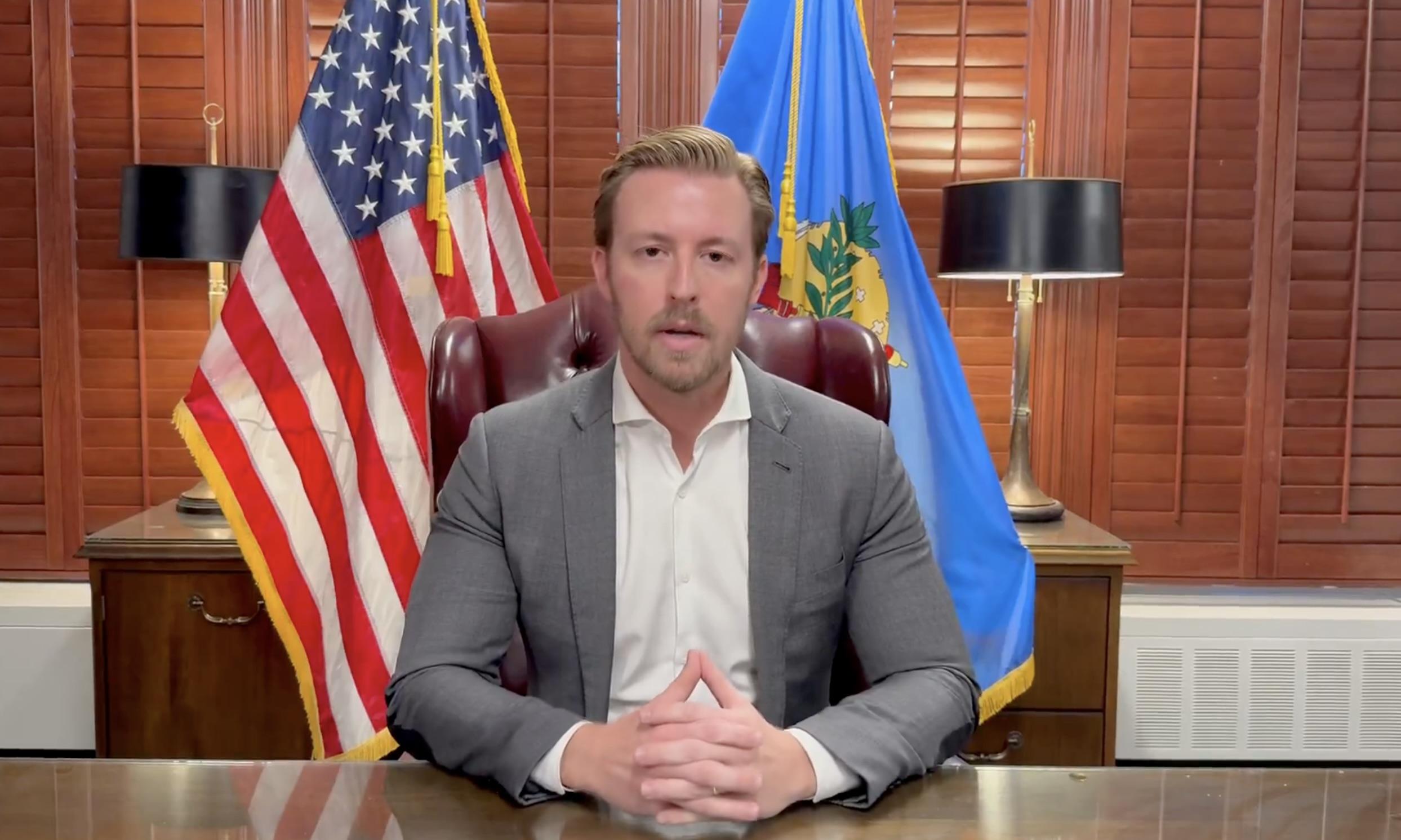
Oklahoma State Superintendent Ryan Walters has announced plans to eliminate so-called "sanctuary schools" in the state, aligning with the Trump administration's efforts to address illegal immigration. This initiative has sparked significant debate among educators, policymakers, and the public.
Walters' Initiative Against 'Sanctuary Schools'
On December 18, 2024, Walters proposed administrative rule changes requiring students to provide proof of U.S. citizenship during enrollment. Schools unable to obtain such documentation would need to report the number of undocumented students to the Oklahoma State Department of Education (OSDE). Walters argues that this measure will help assess the impact of illegal immigration on the state's education system.
Additionally, Walters has proposed that teachers pass a writing test based on the U.S. naturalization exam to obtain licensure in Oklahoma. He believes this requirement will ensure educators possess a fundamental understanding of American government and history.
Public Reaction and Criticism
The proposed measures have elicited strong reactions from the public. Twitter user @EduAdvocateOK expressed concern, stating, "This policy could deter immigrant families from enrolling their children in school, impacting their education." Another user, @TeachForChange, commented, "Requiring teachers to pass a citizenship test is unnecessary and burdensome." Conversely, @PatriotParent supported the initiative, tweeting, "Ensuring our teachers understand American civics is essential." User @PolicyWatcher noted, "The legality of collecting students' citizenship data is questionable." Meanwhile, @CommunityVoice expressed, "These policies may lead to increased discrimination in schools." Lastly, @HistoryBuff remarked, "Understanding our nation's history is important, but this approach seems flawed."
Legal and Ethical Concerns
Critics argue that requiring proof of citizenship for school enrollment may violate the 1982 U.S. Supreme Court decision in Plyler v. Doe, which guarantees all children, regardless of immigration status, access to public education. They fear such policies could deter undocumented families from enrolling their children in school, potentially leading to increased dropout rates and educational disparities.
Furthermore, some educators question the necessity of the proposed teacher testing requirement, suggesting it adds an unnecessary hurdle to the teacher certification process without clear benefits to educational outcomes.
Next Steps and Public Input
The OSDE has opened a public comment period for these proposed rule changes, allowing stakeholders to provide feedback until January 17, 2025. Following this period, the Oklahoma State Board of Education will review the comments before voting on the rules. If approved, the state legislature will consider them during the 2025 legislative session.
As the debate continues, the implications of Walters' proposals remain a focal point for discussions on immigration, education policy, and the role of public schools in serving diverse student populations.







