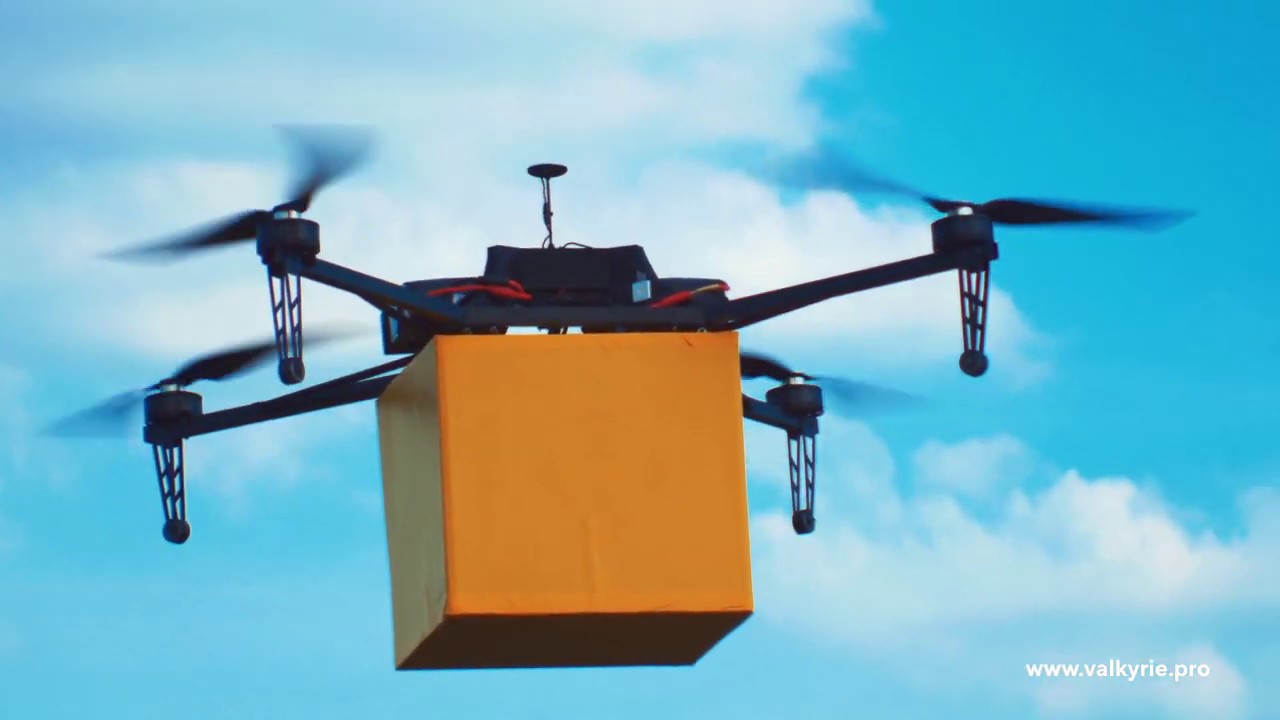
The Korea Institute of Machinery and Materials has developed a 5-kilowatt hydrogen fuel engine that is strong enough to power industrial lift drones with a weight of 20 to 30 kilograms.
The engine supplies hydrogen fuel through the direct spray method while optimizing engine parameters, such as spray and ignition.
It has a maximum output of more than 7 kilowatts.
Batteries currently power unmanned mobility devices.
Researchers are also trying to develop gasoline engine hybrids or hydrogen fuel cell systems to extend flight time.
Hydrogen engines are also free from carbon emissions.


CDC Vaccine Review Sparks Controversy Over Thimerosal Study Citation
Baidu Approves $5 Billion Share Buyback and Plans First-Ever Dividend in 2026
Fed Governor Lisa Cook Warns Inflation Risks Remain as Rates Stay Steady
Eli Lilly’s Inluriyo Gains FDA Approval for Advanced Breast Cancer Treatment
Nvidia, ByteDance, and the U.S.-China AI Chip Standoff Over H200 Exports
India Services Sector Rebounds in January as New Business Gains Momentum: HSBC PMI Shows Growth
Trump Endorses Japan’s Sanae Takaichi Ahead of Crucial Election Amid Market and China Tensions
Japanese Pharmaceutical Stocks Slide as TrumpRx.gov Launch Sparks Market Concerns
Japan Economy Poised for Q4 2025 Growth as Investment and Consumption Hold Firm
Vietnam’s Trade Surplus With US Jumps as Exports Surge and China Imports Hit Record
Neuren Pharmaceuticals Surges on U.S. Patent Win for Rare Disorder Drug
SpaceX Pushes for Early Stock Index Inclusion Ahead of Potential Record-Breaking IPO
SpaceX Starship Explodes in Texas During Test, Citing Nitrogen Tank Failure
Global Markets Slide as AI, Crypto, and Precious Metals Face Heightened Volatility
CK Hutchison Unit Launches Arbitration Against Panama Over Port Concessions Ruling
TrumpRx Website Launches to Offer Discounted Prescription Drugs for Cash-Paying Americans
NASA Cuts Boeing Starliner Missions as SpaceX Pulls Ahead 


