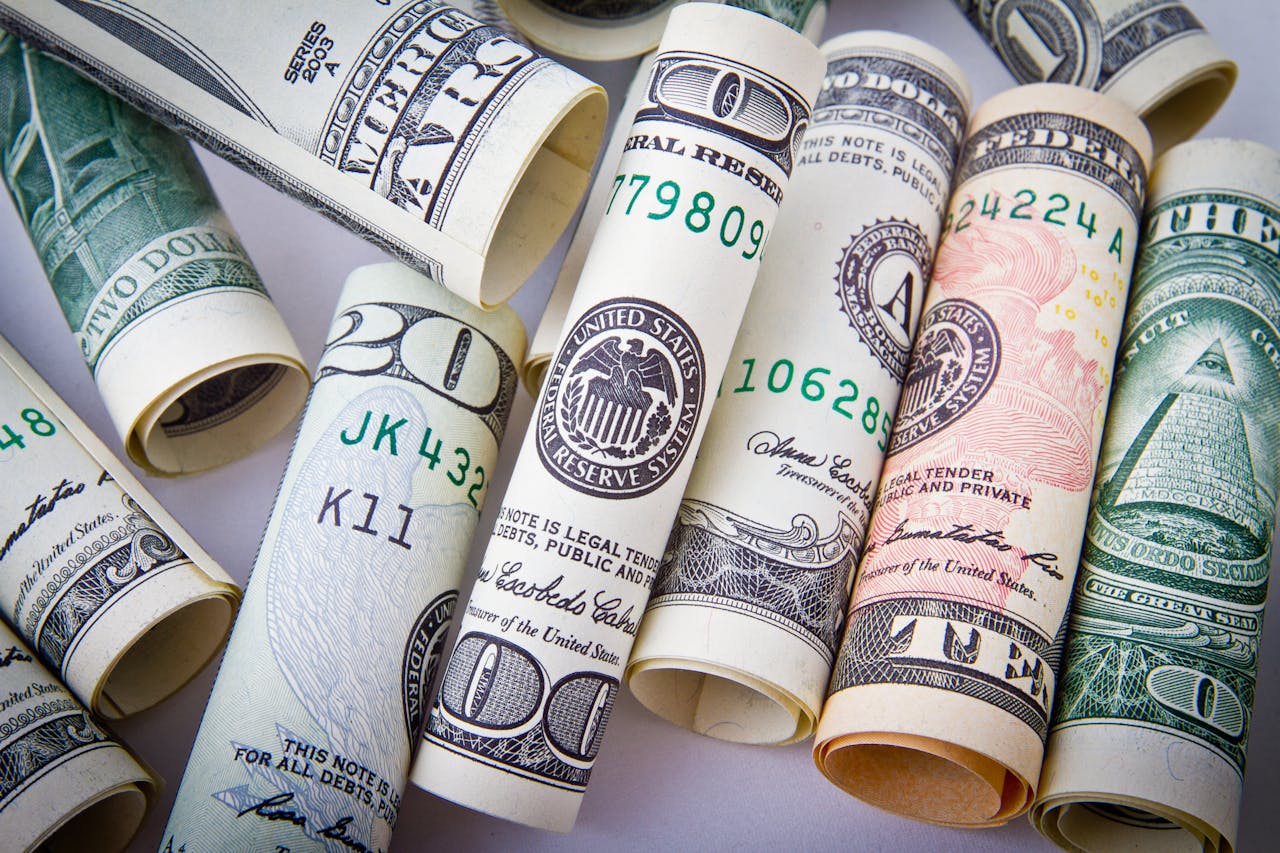
The U.S. dollar held firm near a two-week high on Friday, positioning itself for its strongest weekly gain since November as global markets grappled with heightened risk aversion. A sharp selloff in equities, led by technology stocks, unsettled investors amid growing concerns over massive artificial intelligence spending and the disruptive impact of rapidly advancing AI tools across industries. This environment has boosted demand for the safe-haven dollar despite falling U.S. Treasury yields.
The dollar’s recent strength has also been supported by political and monetary policy developments. Markets reacted positively after President Donald Trump nominated Kevin Warsh as the next Federal Reserve Chair, viewing him as less inclined to aggressively pursue interest rate cuts. This has eased concerns around central bank independence and reinforced expectations that U.S. interest rates may stay higher for longer. The dollar index hovered near 97.961, its highest level since January 23, and was on track for a weekly gain of around 1%.
At the same time, weaker-than-expected U.S. economic data has complicated the outlook. Signs of a slowdown in hiring ahead of the closely watched January payrolls report have revived speculation about future Federal Reserve rate cuts. While traders still expect two cuts later this year, the likelihood of a June move has edged higher, especially if upcoming data shows significant downward revisions.
In Europe, the euro traded near $1.1784 after the European Central Bank left interest rates unchanged and downplayed the influence of dollar strength on its policy path. The British pound remained under pressure at around $1.3520 following steep losses, as the Bank of England narrowly voted to keep rates on hold while signaling potential easing if inflation continues to fall.
In Asia, the Japanese yen strengthened slightly ahead of a national election, with investors wary of fiscal risks tied to potential policy shifts. Concerns over government debt and expansionary fiscal plans continue to weigh on Japanese assets and could have global repercussions.
Commodities and digital assets were not spared from the volatility. Gold and silver experienced sharp selloffs, with silver facing a steep weekly decline, while bitcoin remained choppy after hitting its lowest level since October 2024. Overall, markets remain on edge as investors navigate a complex mix of monetary policy uncertainty, political events, and evolving risks tied to artificial intelligence.