


 BOJ Signals Faster Rate Hikes as Inflation Risks Grow
  RBI Uses $10 Billion Currency Swaps to Drain Excess Rupee Liquidity
  Fed’s Williams Signals One More Rate Hike Before Year-End
  Trump Demands Powell Resign Over Fed Renovation Cost Overruns
  FxWirePro: Daily Commodity Tracker - 21st March, 2022


 Add as a preferred source on Google
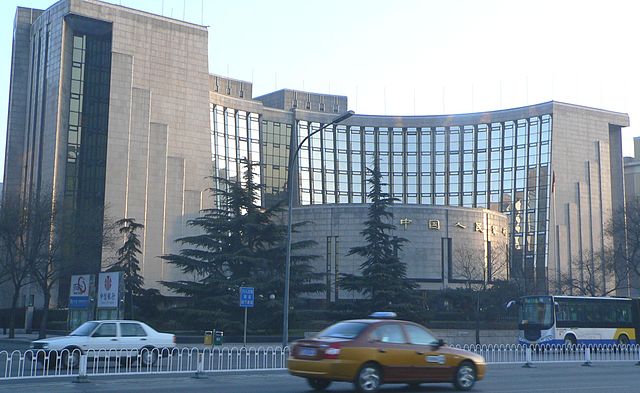
The PBOC entered a new currency regime last night, effectively switching from a currency peg to a managed float. The move was probably motivated by two factors: (1) the delay of the SDR decision by nine months served as an encouragement to implement further reforms; (2) recent export data were much weaker than expected, suggesting a significant loss of competitiveness on the back of a strong RMB. The depreciation will help to reverse part of the 15% RMB appreciation, which should help the struggling Chinese economy.
"Although the PBOC referred to the move as a one-off, our colleagues in Asia now see the bias for further depreciation and project that the CNY will reach 6.40 by Q2'16. This would amount to 5% depreciation over 12 months (including yesterday's move)," notes Societe Generale.

- News

- Economy

- Central Banks
- Investing
- Research
- Roundups
- Digital Currency
- Insights
- Technical Analysis
- Technology
- Business
- Law
- Health
- Nature
- Fintech
- Science
- Topic
- Opinions
- ©Econometrics LLC . All Rights Reserved.
PBOC enters a new currency regime
Tuesday, August 11, 2015 10:44 PM UTC
Editor's Picks



- Market Data
Most Popular




