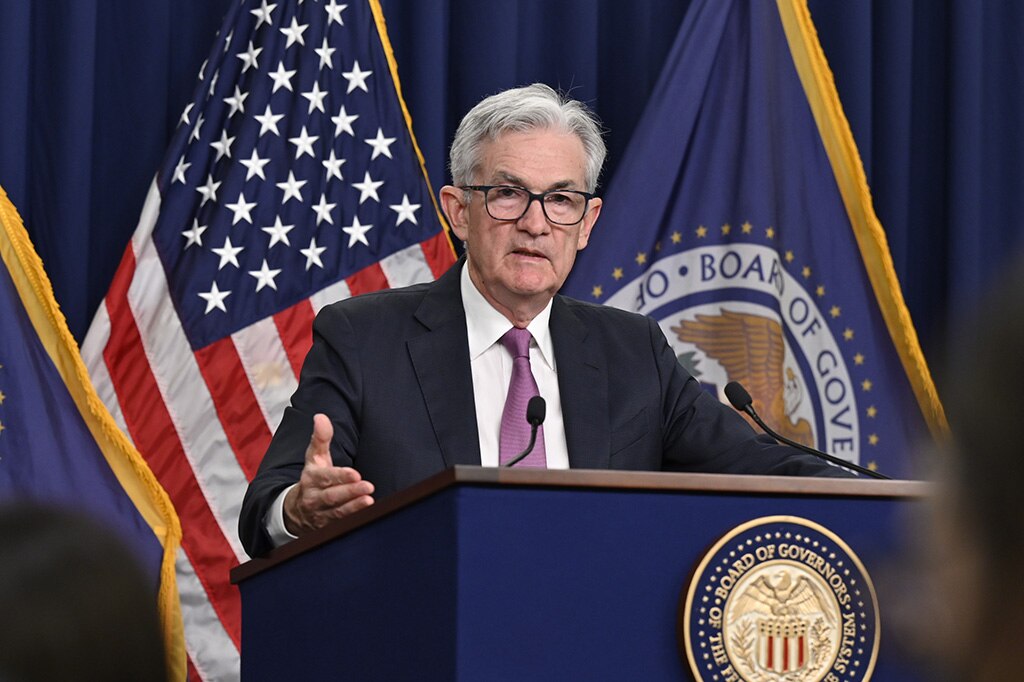
Federal Reserve Chair Jerome Powell revealed on Wednesday that he personally attended last week’s Supreme Court arguments related to President Donald Trump’s attempt to remove Federal Reserve Governor Lisa Cook, underscoring the extraordinary importance of the case for the U.S. central bank. Speaking at a news conference, Powell described the legal challenge as potentially the most consequential court case in the Federal Reserve’s 113-year history, highlighting why he felt compelled to be present.
Powell explained that, after reflecting on the situation, he believed it would have been difficult to justify not attending a hearing that could have far-reaching implications for the independence and governance of the Federal Reserve. The case centers on whether a sitting president has the authority to fire a Federal Reserve governor, an issue that strikes at the core of central bank autonomy, a principle long viewed as essential to maintaining economic stability, controlling inflation, and ensuring credible monetary policy in the United States.
According to Powell, the decision to attend was not without historical precedent. He noted that former Federal Reserve Chair Paul Volcker appeared before the Supreme Court in the 1980s during a similarly significant moment for the institution. Powell said that precedent reinforced his belief that it was appropriate for the current Fed chair to witness the arguments firsthand, given what is at stake for the Federal Reserve System.
The Supreme Court case has drawn intense attention from economists, legal scholars, and financial markets, as its outcome could reshape the relationship between the White House and the central bank. Many observers worry that allowing the president to dismiss Fed governors could undermine the Fed’s independence, potentially exposing monetary policy decisions to political pressure. Such a shift could affect interest rate decisions, inflation control, and overall confidence in the U.S. financial system.
By attending the arguments, Powell signaled the seriousness with which the Federal Reserve views the case and its possible long-term consequences. His presence also highlighted the Fed’s commitment to defending its institutional independence, a cornerstone of its credibility both domestically and globally. As the Supreme Court deliberates, markets and policymakers alike will be watching closely, aware that the ruling could set a defining precedent for the future of U.S. central banking.