


 Fed’s Hammack Says Bond Yield Surge Is Not Driven by Inflation Fears
  Fed Unveils Stablecoin Rules Under GENIUS Act
  RBI Raises Repo Rate to 5.50% in Hawkish Shift on Inflation Risks
  Trump Demands Powell Resign Over Fed Renovation Cost Overruns
  RBI Uses $10 Billion Currency Swaps to Drain Excess Rupee Liquidity
  FxWirePro: Daily Commodity Tracker - 21st March, 2022
  Yen Sinks as BOJ Rate Hike Fails to Impress Markets


 Add as a preferred source on Google
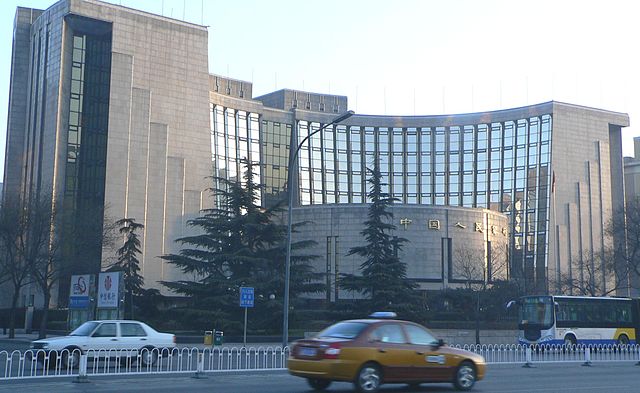
The PBoC has been guiding the Yuan lower for the past nine days. There is definitely no basis for the RMB to devalue continuously and going forward the RMB exchange rate regime will continue to be based on market supply and demand. Also, much will depend on the gyrations in the CFETS NEER index.
It is highly unlikely that the PBoC has set a target level for the USD/CNY and USD/CNH and the announcement by the CFETS reveals an important preference of the government to focus on a currency basket using the end-2014 NEER level as the benchmark. The NEER has been falling recently, and if China allows, for example, a 5% fall in the NEER by year-end, USD/CNY could move to as high as 7.22.
"Our forecasts suggest a preference for a relatively stable NEER, but this would still imply USD/CNY appreciating in an environment of USD strength. If China wants to focus on a stable NEER this would imply a move in USDCNY to 6.80 by year-end," notes Barclays in a research note to its clients







