


 Binance to Shut Down Crypto Mining Pool Services on November 10
  Interactive Brokers Launches Ethereum Staking With Zerohash
  MNX Crypto Exchange Launches Futures for OpenAI, Anthropic Valuations
  Canton Network Expands Wall Street Reach With Ripple Integration
  Gold Prices Rise Above $4,200 as Russia-Ukraine Energy Truce Eases Oil Concerns
  Ripple Mints 19.6 Million RLUSD Amid Banking Expansion
  European Stocks Rise as Oil Prices Fall Ahead of US CPI
  Wall Street Ends Mixed as Investors Await CPI and Bank Earnings
  Samsung, SK Hynix Shares Plunge as China Chip Competition Grows
  Moonshot AI Executives Seek Settlement Ahead of Hong Kong IPO
  Fed's Hammack Urges Faster Rate Hikes to Fight Inflation
  Elon Musk Donates $366 Million to 2026 US Midterms
  Gold Prices Rebound as Dollar Weakens Ahead of US Inflation Data
  IMF, World Bank Meetings Face Global Economic Risks Amid Iran War
  Asian Currencies Steady as Dollar Nears 18-Month High Ahead of US CPI
  Oil Prices Surge Above $106 After Deadly Saudi Airport Attack
  Trump Defends Russian Diesel Deal Amid US Sanctions Backlash


 Add as a preferred source on Google
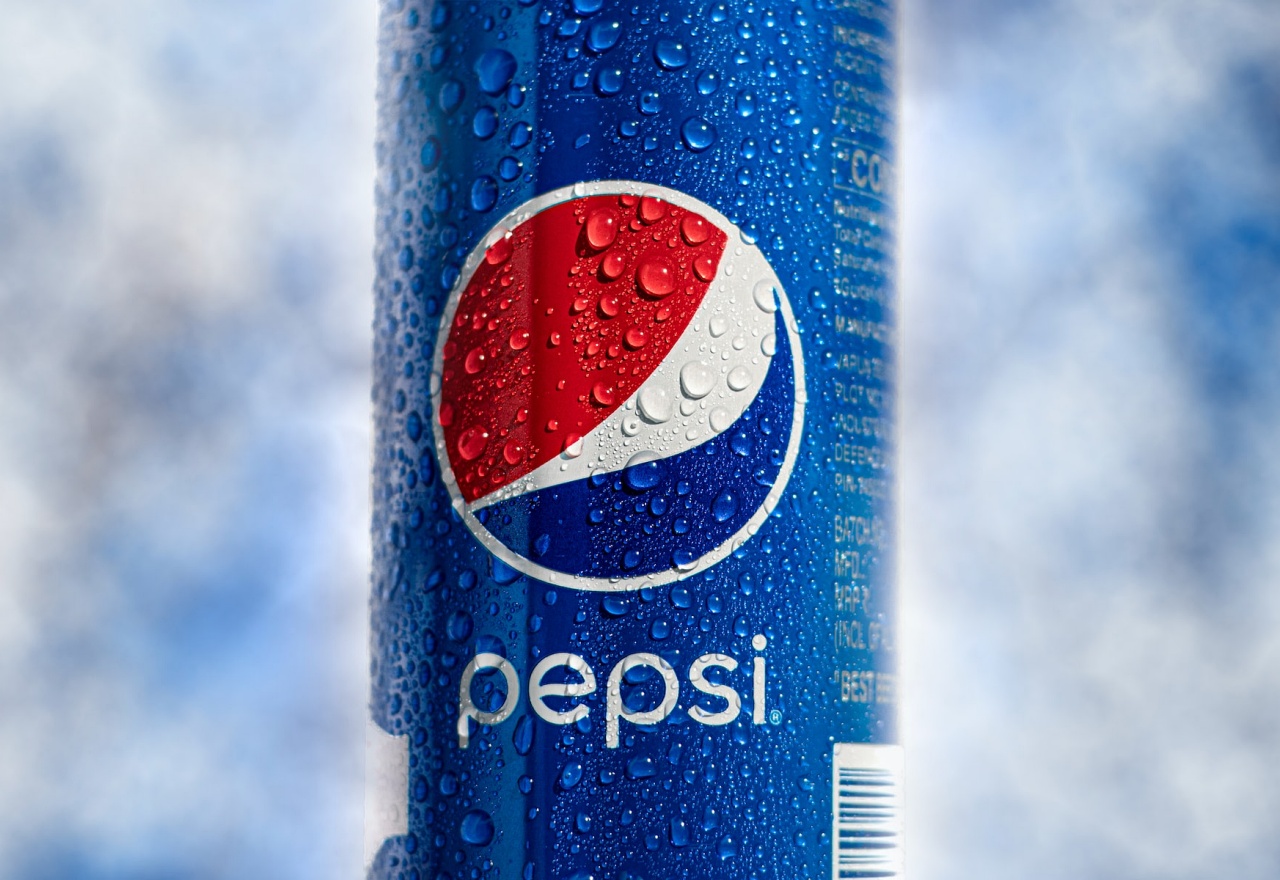
PepsiCo Inc. officially halted the production of its carbonated beverage brands, including Pepsi, Mountain Dew, and 7UP, in Russia. The decision came almost six months after the company promised to stop the sales and manufacturing of its products after Vladimir Putin ordered the invasion of Ukraine in late February this year.
According to Reuters, Pepsico made the announcement after the publication saw many supermarkets, retailers, gyms, and other places in Moscow with cans and bottles of Pepsi beverages bearing the production dates of July and August. Apparently, these were produced in Pepsico's Russian factories.
Reuters further shared that it saw first-hand that the Pepsi products in Russia were produced very recently, and the latest was dated Aug. 17. After the discovery, the American multinational food, snack, and beverage firm sent a statement to the publication. Pepsico informed Reuters that it had already stopped producing concentrates for the production of 7UP, Mirinda, Pepsi Cola, and Mountain Dew in Russia.
In a statement sent to the publication on Sept. 8, PepsiCo's spokesman said, "All concentrates have subsequently been exhausted in Russia and production has ended." It was noted that this short remark was the company's first public comment after stating in March that it would suspend its business activities, including production in the country.
"As many of you know, we have been operating in Russia for more than 60 years, and we have a place in many Russian homes. Pepsi-Cola entered the market at the height of the Cold War and helped create common ground between the United States and the Soviet Union," PepsiCo's chief executive officer, Ramon Laguarta, wrote in a message that was sent to the company's associates at that time.
He added, "However, given the horrific events occurring in Ukraine we are announcing the suspension of the sale of Pepsi-Cola, and our global beverage brands in Russia, including 7Up and Mirinda. We will also be suspending capital investments and all advertising and promotional activities in Russia."
Meanwhile, the spokesperson said that the decision to halt the production is in line with the statements the company gave in March. However, he declined to comment about the sales, and these were halted as well.







