


 FAA Warns US Airlines Over Saudi Arabia Flight Risks
  Nvidia’s China AI Chip Market Share Falls to 34% as Huawei Gains Ground
  Binance to Shut Down Crypto Mining Pool Services on November 10
  Hong Kong’s Second Solana ETF Launches With Lower Fees
  European Auto Stocks Rise as EU-China Trade Deal Targets Hybrid Imports
  TSMC Profit Set to Surge 65% as AI Chip Demand Drives Record Earnings
  PepsiCo Slashes Poppi Earnout Valuation as Growth Slows
  European Stocks Rise as Oil Prices Fall Ahead of US CPI
  Airbus Tests Valkyrie Combat Drone in Europe for Eurofighter Integration
  Deutsche Bank CEO Urges Faster German Economic Reforms
  Trump Defends Russian Diesel Deal Amid US Sanctions Backlash
  IMF Maintains 2027 Global Growth Forecast at 3.4% Amid Rising Risks
  Asian Currencies Steady as Dollar Nears 18-Month High Ahead of US CPI
  Asian Stocks Plunge as AI Chip Selloff Hits South Korea and Japan
  RBA Signals More Rate Hikes as Inflation Risks Rise
  Russia Approves Sberbank for Crypto Exchange Services
  Arthur Hayes Announces FLOP Testnet Launch Within Weeks


 Add as a preferred source on Google
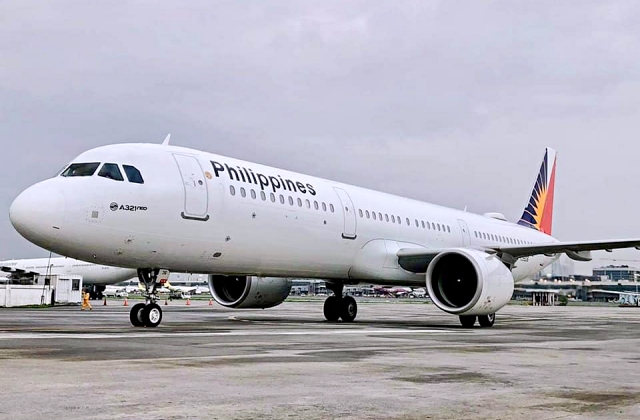
Philippine Airlines announced last weekend that it is facing hardships and needs to undergo restructuring. For this, the airline filed for Chapter 11 bankruptcy in the U.S. so it can reorganize its financial affairs and restructure the business after being severely hit by the COVID-19 pandemic.
According to Reuters, Philippine Airlines submitted a restructuring plan to the Southern District of New York and it is waiting for the court’s approval. If its request is granted, the air carrier will be able to lessen its fleet capacity by 25% and reach the goal of cutting $2 billion in installment credits.
It was added that the restructuring plans also state a $505 million in long-term debt equity and debt financing from PAL’s shareholders and company chairman, Lucio Tan. The company further said that another $150 million funding for debt financing will be sourced from new investors.
Then again, it was clarified that its parent company, PAL Holdings as well as its subsidiary, PAL Express, are not listed in the Chapter 11 bankruptcy. They are not included and the airline is the sole subject in the filing. The pre-arranged Chapter 11 petition was filed after agreement with creditors, suppliers, lessors, and the majority of its shareholders.
Asia Nikkei reported that Philippine Airlines has been preparing for the restructuring process with the support of the court since late last year. It started the preparations amid the unrest in the travel and tourism business that was frozen for some time due to the effects of the coronavirus crisis worldwide.
“We welcome this major breakthrough, an overall agreement that enables PAL to remain the flag carrier of the Philippines and the premier global airline of the country, one that is better equipped to execute strategic initiatives and sustain the Philippines’ vital global air links to the world,” PAL chairman and chief executive officer, Dr. Lucio C. Tan, said in a press release regarding the agreement with key stakeholders to position the airline for long-term growth and profitability. “We are grateful to our lenders, aviation partners, and other creditors for supporting the plan, which empowers PAL to overcome the unprecedented impact of the global pandemic that has significantly disrupted businesses in all sectors, especially aviation, and emerge stronger for the long-term.”







