


 European Auto Stocks Rise as EU-China Trade Deal Targets Hybrid Imports
  Fed Unveils Stablecoin Rules Under GENIUS Act
  Fed's Hammack Urges Faster Rate Hikes to Fight Inflation
  Nasdaq Falls as Oil Prices Surge Ahead of Bank Earnings
  Oil Prices Rise as Houthi Attacks Threaten Middle East Supply
  Australia Consumer Confidence Plunges as RBA Rate Hike Hits Households
  Visa Wins China Approval to Prepare Domestic Payments Expansion
  RBI Raises Repo Rate to 5.50% in Hawkish Shift on Inflation Risks
  Gold Prices Rise Above $4,200 as Russia-Ukraine Energy Truce Eases Oil Concerns
  ECB May Stop Rate Hikes After December, Capital Economics Says
  Global Stocks Mixed as Oil Falls Ahead of US Earnings
  Samsung, SK Hynix Shares Plunge as China Chip Competition Grows


 Add as a preferred source on Google
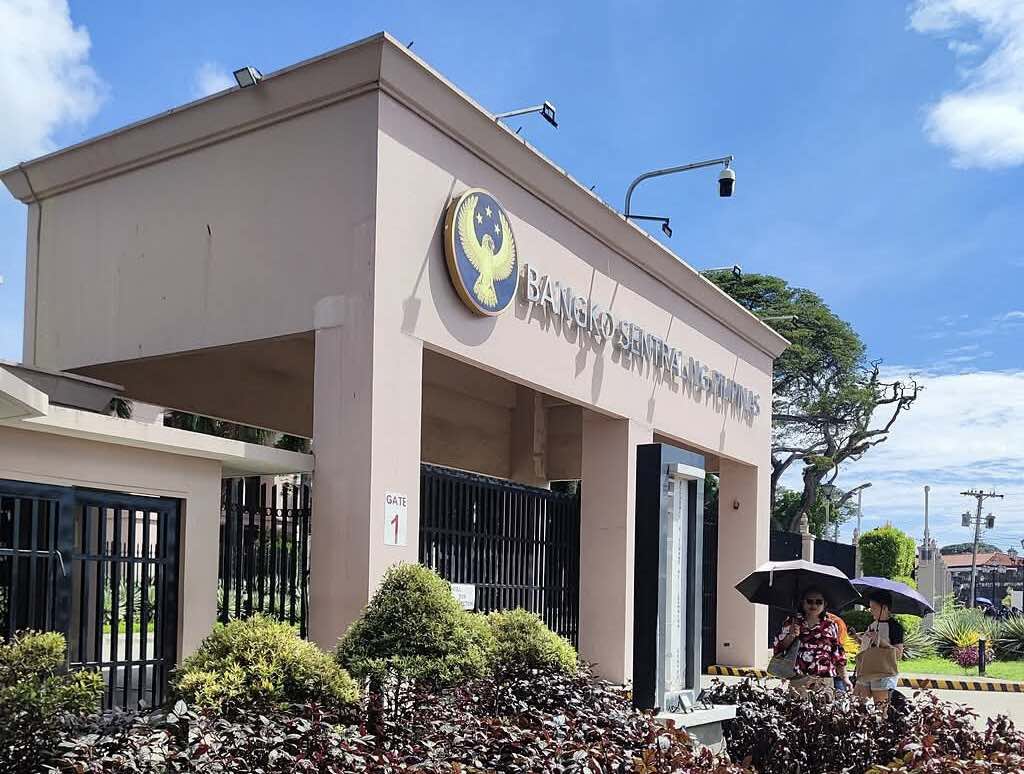
The Bangko Sentral ng Pilipinas (BSP) expects the Philippines' current account deficit to reach $19.1 billion in 2026, equivalent to 3.8% of the country's gross domestic product (GDP), according to projections announced by the central bank on Tuesday.
The latest outlook highlights expectations that the Philippine economy will continue recording a current account shortfall over the next two years, reflecting ongoing pressures on the country's external financial position.
For 2027, the BSP forecasts a current account deficit of $19.4 billion, or 3.6% of GDP. Although the projected dollar value of the deficit is slightly higher than in 2026, its share of economic output is expected to decline.
The figures indicate that the Philippines' external deficit could narrow relative to the overall size of its economy, even as the nominal shortfall increases by approximately $300 million between 2026 and 2027.
A current account deficit occurs when a country's payments to the rest of the world exceed its receipts from international transactions, including trade in goods and services, investment income and transfers.
For the Philippines, the current account balance serves as an important indicator of external economic conditions, reflecting the relationship between foreign exchange earnings and payments abroad.
The BSP's projections suggest that external financing requirements will remain a key consideration for the Philippine economy through 2027. Sustained current account deficits can influence foreign exchange demand, capital flows and investor assessments of a country's external financial stability.
However, a current account deficit does not necessarily indicate economic weakness. It can also reflect investment activity and demand for imported goods needed to support domestic production and economic expansion.
The projected decline in the deficit-to-GDP ratio from 3.8% in 2026 to 3.6% in 2027 represents a modest improvement in the Philippines' external balance relative to economic output.
Investors and policymakers are likely to monitor future BSP forecasts, particularly changes in international trade, foreign investment and economic growth, for indications of how the country's current account position may develop.
The central bank's latest estimates provide a benchmark for assessing the Philippines' external sector outlook over the next two years.







